Woodworking Ring-Type Glue Mixer Maintenance Guide: Extend Equipment Life and Enhance Glue Mixing Uniformity

30 03,2026
ThoYu
Tutorial Guide
This article explores the essential applications and maintenance techniques of industrial ring-type glue mixers in the woodworking industry. It aims to equip technical operators and equipment managers with practical methods for cleaning, inspection, and component replacement. By improving glue mixing uniformity and product consistency, extending equipment lifespan, and preventing common failures, this guide ensures stable and efficient production line operation. Combining real-world case studies, detailed operational instructions, and troubleshooting tips, it helps enterprises boost production efficiency, reduce operational costs, and achieve sustainable business growth.
Detailed inspection of ring-type glue mixer components during maintenance

Understanding the Role of Ring-Type Glue Mixers in Woodworking

In the woodworking industry, maintaining consistency and quality is paramount, especially when it comes to adhesive application. The ring-type glue mixer serves as an essential piece of equipment to ensure thorough and homogeneous blending of industrial adhesives used in wood product manufacturing. These machines not only improve product uniformity but also significantly influence production speed and overall equipment longevity.

ThoYu’s expertise in woodworking ring-type glue mixer maintenance offers valuable insights into operational efficiency. Optimizing the mixer’s performance by focusing on glue uniformity and equipment upkeep ensures that wood components bond firmly and consistently, resulting in higher product reliability and reduced waste.

Key Maintenance Practices to Boost Glue Mix Uniformity and Equipment Lifespan

Proper upkeep of industrial glue mixers is crucial. Implementing a routine that includes detailed cleaning, timely inspections, and strategic replacement of worn parts can effectively prevent breakdowns and maintain production stability. Below are the core maintenance steps recommended for ring-type glue mixers in woodworking:

  • Daily Cleaning: After each production run, remove residual adhesive using approved solvents to prevent clogging and buildup that reduce mixing quality.
  • Routine Inspection: Check seals, bearings, and rotor performance weekly to identify wear early. Faulty seals can cause glue leakage, weakening adhesive mixtures.
  • Component Replacement: Replace critical parts such as mixing blades and seals every 6-12 months, depending on usage intensity, to avoid deterioration affecting uniformity.
  • Calibration Checks: Regularly verify mixer speeds and temperature controls to ensure the adhesive’s viscosity remains consistent during blending.

Operational Insights: Enhancing Production Stability and Efficiency

Skilled operators play a significant role in maintaining optimal mixer function. Adhering to manufacturer guidelines and monitoring glue homogeneity throughout operations reduces rework and downtime. ThoYu’s maintenance guide underlines that glue mix uniformity improvements can lead to a production efficiency increase of up to 15-20% by minimizing adhesive waste and ensuring consistent bonding strength.

Additionally, a well-maintained ring-type glue mixer can extend the equipment’s lifespan by up to 30%, reducing replacement costs and unplanned stoppages. This has a direct impact on operational costs, reinforcing the value of systematic maintenance.
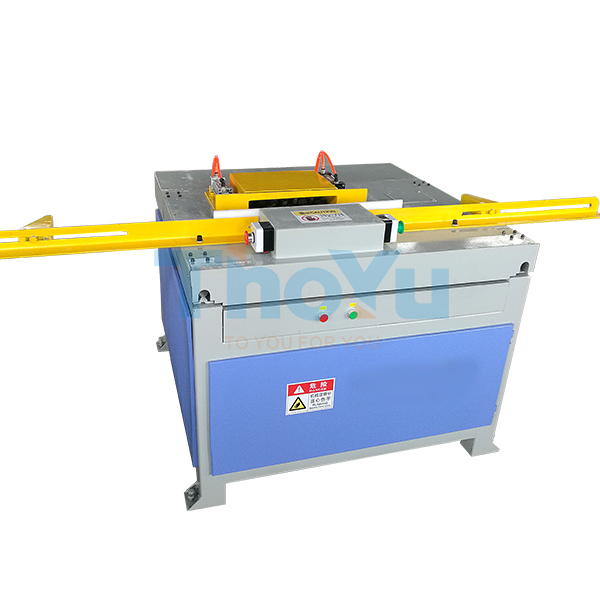
Detailed inspection of ring-type glue mixer components during maintenance

Troubleshooting Common Issues: Tips for Quick Diagnosis and Resolution

Understanding frequent faults allows technicians to respond swiftly. Typical symptoms and corresponding troubleshooting methods include:

Issue Cause Solution
Uneven Glue Mixture Worn mixing blades or inconsistent motor speed Inspect and replace blades; recalibrate motor settings
Glue Leakage Damaged seals or gasket failure Replace seals promptly; verify installation integrity
Reduced Mixing Speed Mechanical wear in bearings or motor fatigue Routine bearing lubrication and motor maintenance
Technician performing routine maintenance and checks on woodworking glue mixer

Case Study: Real-Life Impact of Maintenance Optimization

A leading wood processing plant deployed ThoYu’s maintenance methodologies on their ring-type glue mixers. Over a six-month period, the company reported:

  • Reduction of adhesive waste by 18%
  • Increase in product consistency leading to 22% fewer customer complaints
  • Extended mixer service interval from 8 months to 12 months without performance loss
  • Overall production uptime improvement by 10%

These improvements directly contributed to a noticeable cutback in operational costs and boosted the company’s competitive footprint within its target markets.
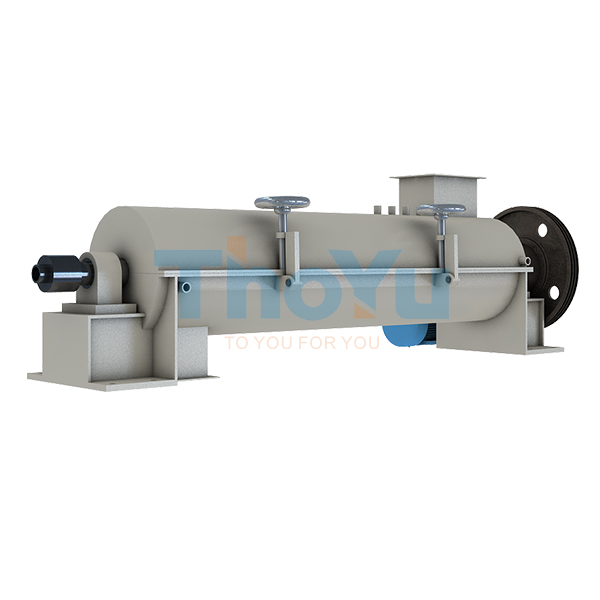
Graph showing efficiency gains before and after implementation of ring-type glue mixer maintenance

FAQ: Essential Tips on Ring-Type Glue Mixer Maintenance

Q: How often should the mixing blades be replaced?
Typically every 6-12 months, depending on glue viscosity and production volume.
Q: What’s the best cleaning agent for residual glue?
Use manufacturer-recommended solvents; avoid harsh chemicals that might degrade seals.
Q: Can poor mixer maintenance affect product safety?
Yes, inconsistent glue mixing can lead to improper bonding, raising quality and safety concerns.
Name *
Email *
Message*

Recommended Products

Popular articles
Recommended Reading

Related Reading

Contact us
Contact us
https://shmuker.oss-cn-hangzhou.aliyuncs.com/tmp/temporary/60ec5bd7f8d5a86c84ef79f2/60ec5bdcf8d5a86c84ef7a9a/thumb-prev.png