Woodworking Ring-Type Glue Mixer Maintenance Guide: Extend Equipment Life with Daily Cleaning and Inspection
28 03,2026
ThoYu
Tutorial Guide
This guide thoroughly explores the crucial role of industrial-grade woodworking ring-type glue mixers in wood product manufacturing and presents effective maintenance strategies. It covers the machine's operating principles, practical tips to enhance glue mixing uniformity, and step-by-step instructions for daily cleaning, regular inspections, and component replacements. By integrating common fault prevention and troubleshooting experiences, this resource assists technicians and equipment managers in extending machinery lifespan, ensuring production line stability, improving operational efficiency, and reducing costs. Illustrated with clear visuals and hands-on demonstrations, it serves as a valuable reference for woodworking professionals seeking skill enhancement and effective equipment promotion.
Maximizing Woodworking Efficiency with ThoYu's Ring-Type Glue Mixer: Maintenance Best Practices
In the competitive landscape of wood product manufacturing, equipment reliability and product consistency have never been more critical. ThoYu’s woodworking ring-type glue mixer stands as a vital industrial asset, elevating the uniformity of glue application that directly impacts product quality. Understanding its operational principles and proper upkeep can dramatically reduce downtime and operational costs.
Understanding the Core Functionality of ThoYu’s Industrial Ring-Type Glue Mixer
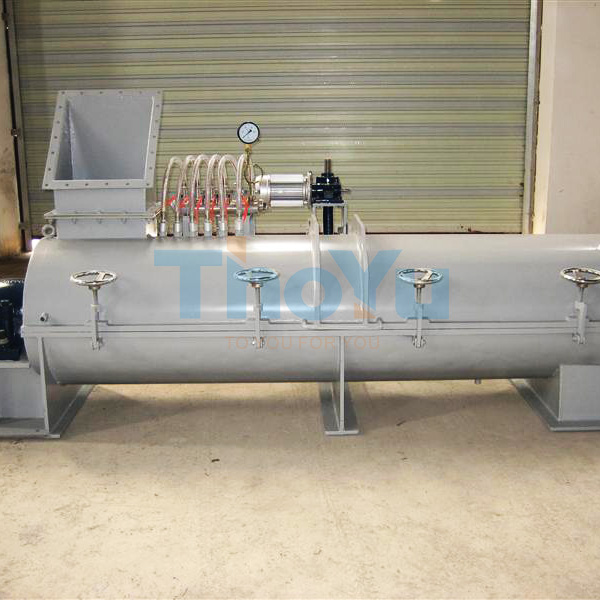
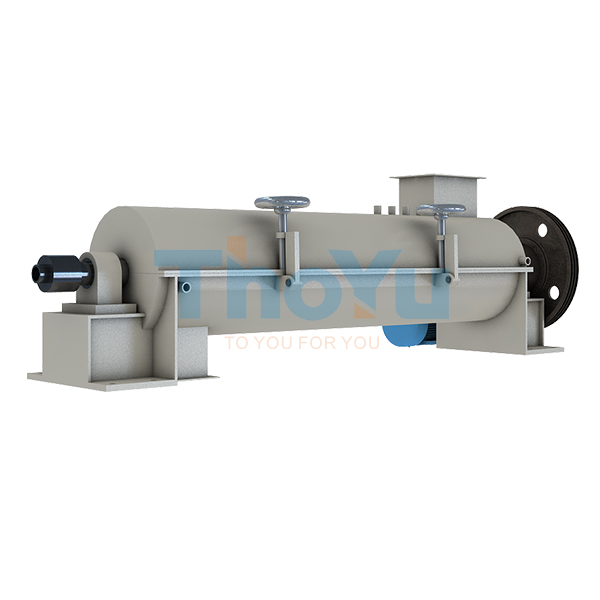
At its core, the ring-type glue mixer efficiently blends adhesives by employing a rotating annular chamber, ensuring thorough homogenization. This mixing uniformity is paramount for seamless bonding in wood manufacturing — uneven glue distribution often results in weak joints and product defects. The machine’s durable build accommodates continuous operation in demanding production environments, but like all mechanical systems, its longevity depends heavily on regular maintenance and precise operation.
Operators should adhere to standard procedures when using the mixer to guarantee consistent glue viscosity and avoidance of clumps. Key steps include:
Pre-measure adhesive components accurately according to formula specifications.
Maintain optimal rotation speed; speeds too high or low affect mixing quality and risk mechanical wear.
Monitor ambient temperature and humidity, as these factors influence glue curing dynamics.
Schedule short pauses for the mixer to prevent overheating in high-output scenarios.
Employing these techniques consistently can increase uniformity by up to 20%, based on field performance data, significantly enhancing wood product durability.
Routine Cleaning and Maintenance: The Pillars of Longevity
Cleaning and preventive maintenance form the backbone of sustainable machine operation:
Daily Cleaning: Remove residual glue promptly after each shift using recommended solvents to avoid buildup that impairs mixing efficiency.
Weekly Inspection: Examine seals, bearings, and rotating shafts for wear or damage. Replace worn components early to prevent cascading failures.
Monthly Lubrication: Apply manufacturer-approved lubricants to moving parts, reducing friction and extending component life.
Key Parts Replacement Cycle for Optimal Performance
According to ThoYu’s maintenance records:
Seals and gaskets should be replaced every 3–6 months depending on usage intensity.
Bearings typically require replacement every 12 months or 2,000 operational hours.
Electrical components and sensors require annual calibration and potential replacement to sustain precision.
Diagnosing and Troubleshooting Common Problems
Technical teams often encounter recurring challenges that can impair production if not promptly addressed:
Irregular Glue Mixing
Cause: Incorrect rotation speed or glue viscosity variation. Solution: Calibrate speed controls; verify raw material consistency.
Overheating of Mixing Chamber
Cause: Continuous use without breaks or insufficient lubrication. Solution: Implement scheduled cooldown periods; check lubricant levels.
Excessive Noise or Vibration
Cause: Damaged bearings or misaligned shafts. Solution: Conduct immediate bearing inspection and realignment as required.
Driving Efficiency and Cost Savings through Preventive Maintenance
Improvement in adhesive consumption efficiency by approximately 15% due to uniform mixing.
Extension of equipment operational lifespan by 25% or more.
These benefits translate directly into enhanced production line stability and reduced total cost of ownership, providing a compelling reason for full-scale adoption of maintenance protocols.