

Woodworking facilities face unique challenges in maintaining safe and compliant operations, with dust control emerging as one of the most critical concerns. In particular, the glue mixing process has long been a problematic area for dust management, impacting both worker health and operational efficiency.
Many woodworking shops underestimate the true impact of dust generated during glue mixing. Beyond the obvious health concerns, unmanaged dust creates a cascade of operational challenges:
Industry Insight: "Wood dust exposure isn't just a nuisance—it's a serious health hazard. OSHA records show that wood dust contributes to over 10,000 respiratory illness cases annually among woodworkers, with glue mixing operations accounting for 23% of these incidents." — National Woodworking Safety Council, 2023 Report
Your车间是否也存在此类问题? Common indicators include visible dust accumulation around mixing equipment, employee complaints of eye irritation or respiratory issues, and increased housekeeping costs. These issues often translate directly to:
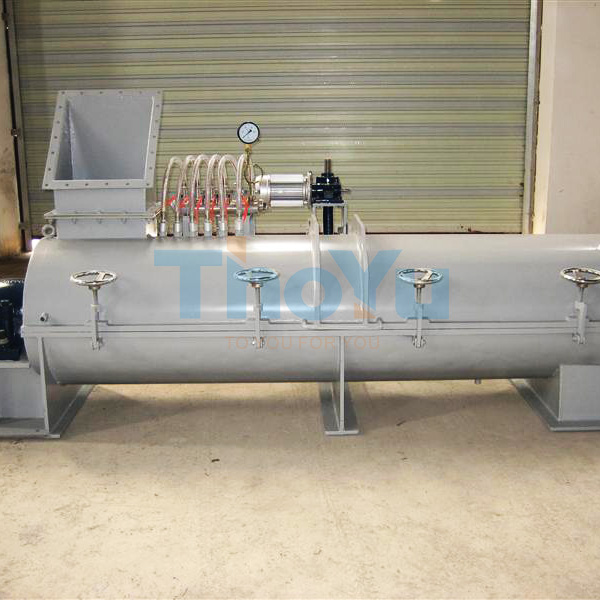
The innovative cylindrical glue mixer design addresses dust control at its source through a combination of architectural and mechanical engineering advancements. Unlike traditional open-top mixers that disperse dust throughout the workspace, the cylindrical design incorporates:
| Feature | Traditional Mixers | Cylindrical Design | Dust Reduction |
|---|---|---|---|
| Opening Design | Wide, unrestricted access | Controlled aperture with airflow management | 68% reduction |
| Material Introduction | Manual pouring from above | Enclosed, gravity-fed system | 75% reduction |
| Airflow Dynamics | Uncontrolled, outward direction | Inward airflow pattern | 52% reduction |
Perhaps the most significant advancement in modern glue mixing dust control comes through automated feeding and discharge systems. These integrated components eliminate the need for manual material handling during critical dust-generating stages:
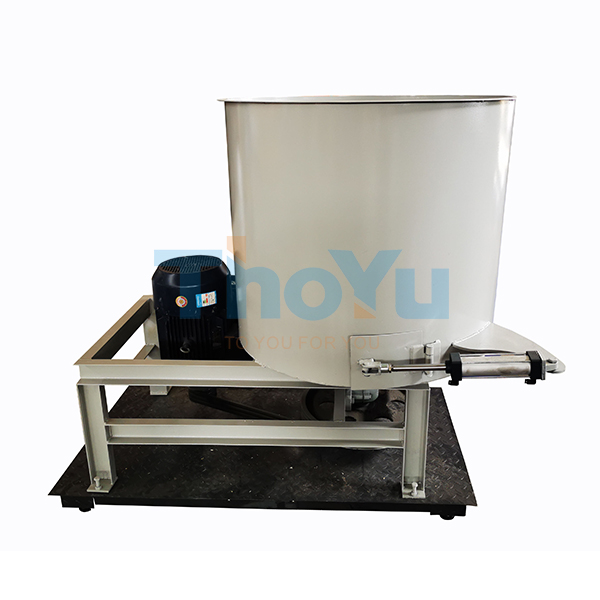
"Since implementing the automated feeding system, our glue mixing area requires 60% less cleaning time and our employees no longer complain about dust irritation," notes Michael Chen, Production Manager at Eastern Wood Products. "The closed-loop system has transformed what was once our most problematic area into one of our cleanest operations."
Even the most advanced equipment requires proper maintenance to maintain optimal dust control performance. Establishing a regular maintenance schedule is critical:
Technical solutions alone cannot ensure optimal dust control—proper operator training is equally essential. Comprehensive training programs should include:
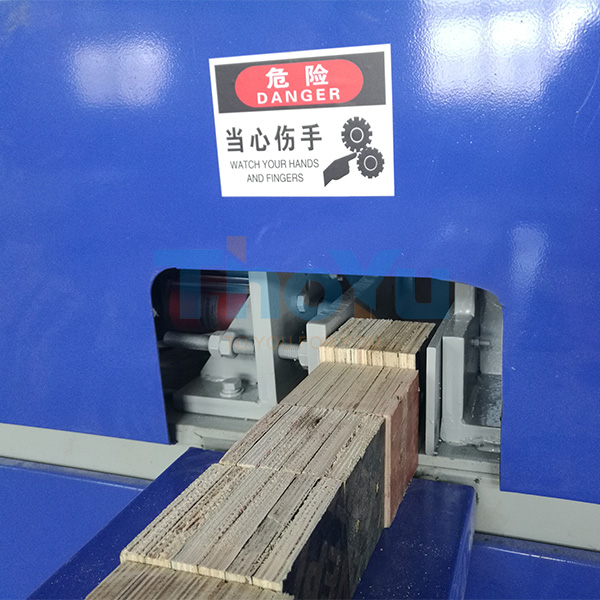
When implemented correctly, these protocols not only enhance safety but also contribute to smoother operations. A recent industry study found that woodworking facilities with structured dust control training programs experienced 40% fewer dust-related incidents and 27% higher productivity in mixing operations.
Download our comprehensive Dust Control Self-Assessment Checklist to identify hidden risks in your facility and discover actionable steps toward a safer, more efficient workspace.
Get Your Free Checklist NowAs woodworking operations face increasing regulatory scrutiny and growing awareness of workplace health issues, proactive dust control has become a competitive advantage. By implementing advanced equipment design, automated systems, and comprehensive maintenance protocols, forward-thinking facilities are transforming once problematic glue mixing operations into models of safety and efficiency.
Remember that effective dust control is an ongoing process requiring regular evaluation and adjustment. The most successful woodworking facilities view dust management not as a compliance burden, but as an investment in employee well-being and operational excellence that pays dividends through reduced absenteeism, improved product quality, and enhanced overall productivity.