Woodworking facilities face numerous challenges in maintaining a safe and productive environment, but few are as persistent and hazardous as dust generated during adhesive mixing processes. Recent studies by the Occupational Safety and Health Administration (OSHA) indicate that wood dust exposure affects over 2.3 million workers in the U.S. alone, with adhesive mixing operations identified as one of the primary sources of airborne particulate matter.
Industry Alert: Prolonged exposure to wood adhesive dust can lead to respiratory diseases, eye irritation, and increased fire risk. The National Institute for Occupational Safety and Health (NIOSH) reports that wood dust is classified as a human carcinogen, with long-term exposure linked to nasal and sinus cancers.
Many woodworking businesses underestimate the true cost of inadequate dust control systems. Beyond the obvious health risks, uncontrolled dust creates a trifecta of operational challenges:
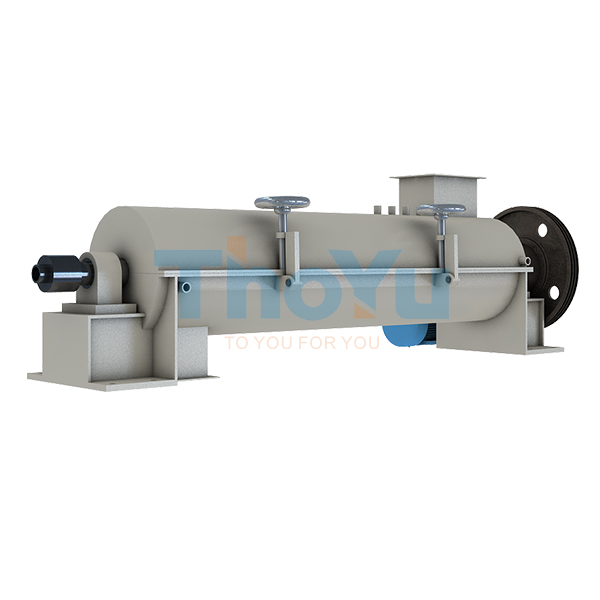
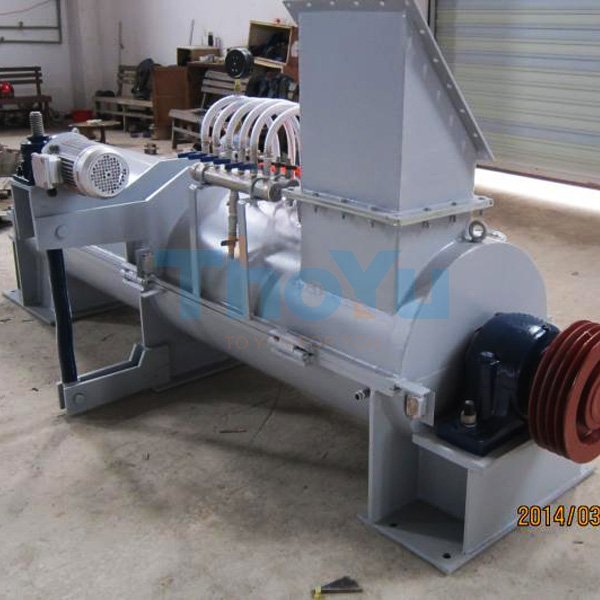
Traditional enclosed adhesive mixers were designed with material containment in mind, but often exacerbate dust problems by creating pressure differentials that force particles out through any available opening. The cylindrical open-top mixer design represents a paradigm shift in dust management philosophy.
| Feature | Traditional Enclosed Mixers | Open-Top Cylindrical Design |
|---|---|---|
| Dust Containment | Pressure buildup causes leaks at seals and access points | Controlled airflow minimizes particle escape |
| Maintenance Access | Limited; requires full disassembly | Unrestricted top access for cleaning and inspection |
| Dust Collection Efficiency | 65-75% typical collection rate | 92-95% when paired with appropriate ventilation |
| Operator Visibility | Limited, increasing error potential | Full process visibility improves quality control |
The engineering behind effective open-top dust control involves precision airflow management and strategic design elements that work in harmony with facility ventilation systems. By eliminating pressure differentials and providing unobstructed access for dust collection, these systems address the root causes of dust dispersion rather than merely containing it.
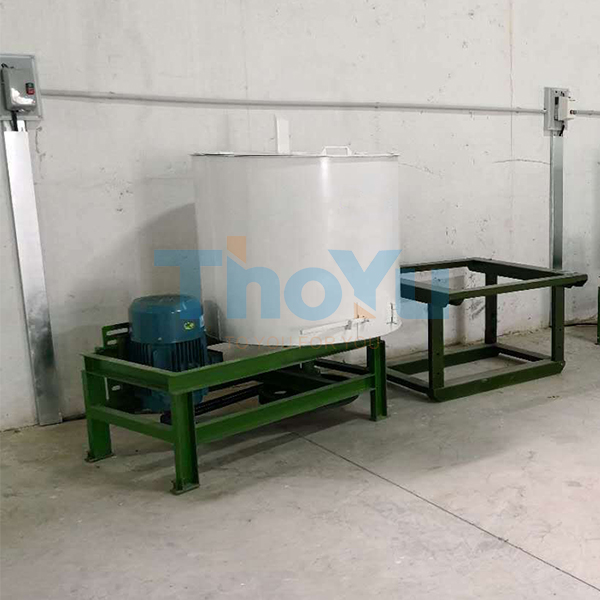
Even the most advanced equipment requires proper maintenance to maintain optimal dust control performance. A structured maintenance program can extend equipment life by 30-40% while ensuring consistent dust management.
"We reduced our shop dust levels by 78% within the first month of implementing the open-top mixer design with proper maintenance protocols. Our operators immediately noticed the difference in air quality, and we've seen a 35% reduction in respiratory complaints."
— Michael Chen, Production Manager, Eastern Wood Products, New Jersey
Effective dust control requires a holistic approach that combines equipment design with proper ventilation. The most efficient dust management systems create a controlled airflow path that captures particles at their source before they can disperse into the workspace.
Key considerations for ventilation optimization include:
Technical solutions alone cannot solve dust control challenges without operator buy-in and proper training. Companies with comprehensive dust management programs report 56% fewer incidents and 43% higher productivity than those relying solely on equipment.
郑州拓宇机电 emphasizes operator training as a critical component of any dust control strategy, with their equipment manuals including detailed protocols developed in compliance with ISO 9001 quality standards. This commitment to operational excellence ensures that their mixing solutions deliver consistent performance throughout their lifecycle.
Evaluate your current dust management system against industry best practices with our detailed checklist.
Get Your Free Assessment ToolInstant download, no registration required
As woodworking operations face increasing regulatory pressure and growing awareness of health impacts, proactive dust management has become a competitive advantage rather than merely a compliance requirement. The most successful facilities are those that view dust control as an integrated system combining equipment design, maintenance protocols, ventilation engineering, and operator training.
By implementing the strategies outlined in this guide, woodworking businesses can create safer work environments, improve productivity, reduce compliance risks, and ultimately enhance their bottom line. The transition to effective dust control is an investment that pays dividends through improved employee health, operational efficiency, and long-term business sustainability.