
Dust pollution during woodworking glue mixing poses significant challenges to health, workplace safety, and product quality. Woodworking workshops often grapple with airborne particulates generated when powdered glue components are blended with liquid agents. These dust emissions not only deteriorate ambient air quality—sometimes exceeding 5 mg/m3, the typical occupational exposure limit—but also increase fire hazards and compromise machinery longevity.
Traditionally, many small to medium-sized woodworking enterprises rely on partially sealed or closed mixers, which can inadvertently trap dust, leading to either abrupt releases during loading/unloading or increased maintenance demands. Prolonged exposure to glue dust has been correlated with respiratory ailments and skin irritation among workers, while environmental regulations are tightening on permissible dust discharge levels.
Effective dust control is thus critical—not only to comply with occupational health standards but also to enhance operational efficiency and foster a safer workforce environment.
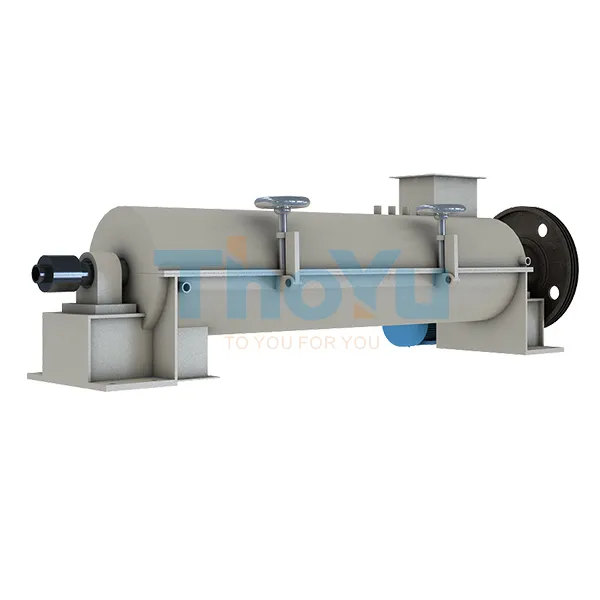
Zhengzhou Tuoyu Electromechanical Equipment Co., Ltd. addresses these concerns with its state-of-the-art open-top cylindrical glue mixer, featuring a thoughtfully engineered open-top design paired with automated feeding and discharging mechanisms. Unlike fully enclosed mixers, this design strategically controls dust dispersion at the source.
To maintain optimal dust control, regular maintenance and strict adherence to operating procedures are essential:
| Feature | Traditional Closed Mixer | Tuoyu Open-Top Mixer |
|---|---|---|
| Average Dust Escape Rate | ~12 mg/m3 | ~2 mg/m3 |
| Loading/Unloading Efficiency | Manual, slower | Automated, 30% faster |
| Maintenance Frequency | Weekly intensive cleaning | Bi-weekly routine cleaning |
| Health Risk Reduction | Moderate | Significant |
Implementing the open-top mixer technology alongside stringent dust mitigation protocols supports workshops aiming for green manufacturing certifications and compliance with rising environmental requirements. Beyond equipment upgrades, staff training programs emphasizing dust risks and operational safety cultivate a pro-active safety culture.
Industry experts advocate combining technical solutions with management practices; for instance, ensuring ventilation systems provide a minimum airflow of 0.5 m/s at dust emission points effectively complements mixer design. Such multi-layer controls typically reduce workplace dust levels by two-thirds within six months of implementation.
Enhance your woodworking glue stirring safety and environmental compliance today. Download the comprehensive "Woodworking Workshop Dust Control Checklist" or Schedule a free online technical consultation with Zhengzhou Tuoyu experts.
For further insights, Zhengzhou Tuoyu provides in-depth tutorials and video guides illustrating operational best practices, enabling seamless workforce adoption of the new mixer technology. This content supports cross-platform sharing to boost awareness and engagement within industry communities.