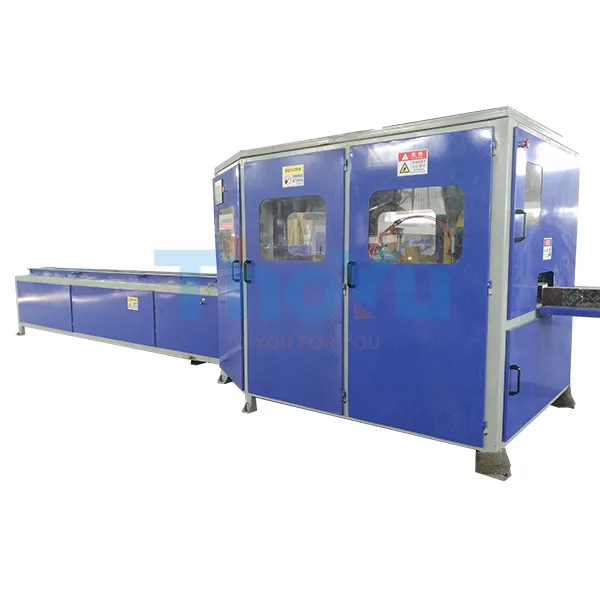

The selection of wooden stringer thickness plays a pivotal role in pallet manufacturing, directly impacting load capacity, durability, and compatibility with handling equipment. Within the 20mm to 120mm thickness range, manufacturers must carefully align their choices with regional standards—particularly those in Europe and North America—as well as specific operational scenarios to optimize efficiency and product quality.
European and North American pallet standards differ significantly in terms of design criteria, which influences the recommended wooden stringer thicknesses. For instance:
Choosing thickness below 20mm may compromise structural integrity, while thickness above 120mm often results in unnecessary material costs and reduced maneuverability. The right thickness choice ensures compliance with regional regulatory requirements and maximizes operational lifespan.
Beyond thickness, the chamfering or beveling of wooden stringers significantly affects forklift ingress and egress performance, particularly when pallets are handled at scale. Optimizing bevel angles and depths can reduce handling time by up to 15% and minimize accidental damage.
For example, a chamfer angle between 15° and 25° with a depth of 5-10mm has been shown to facilitate smoother forklift tine entry while maintaining stringer strength.
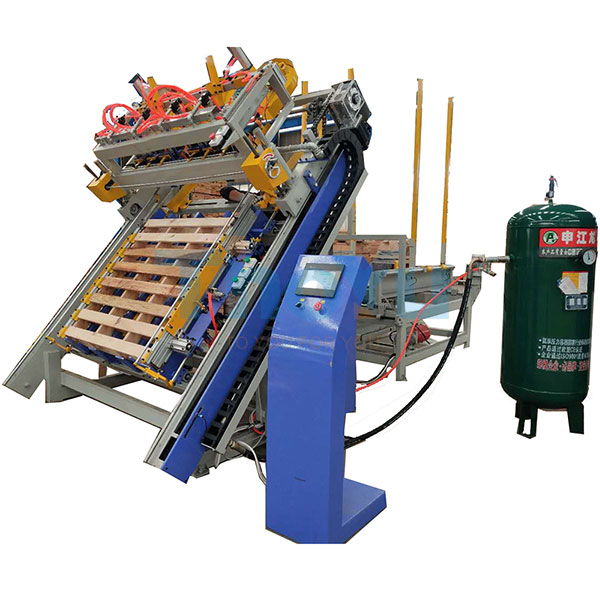
Historically, beveling was a manual, labor-intensive process prone to inconsistencies and higher reject rates. Introduction of adjustable dimension chamfering machines enables accurate, repeatable cuts adaptable to different stringer thicknesses between 20mm and 120mm. This automation improves throughput by up to 30% and reduces pallet defects by approximately 20%.
The flexibility of such machines also supports just-in-time manufacturing demands and diversified pallet customization, empowering manufacturers to cater to multiple regional markets with precision.
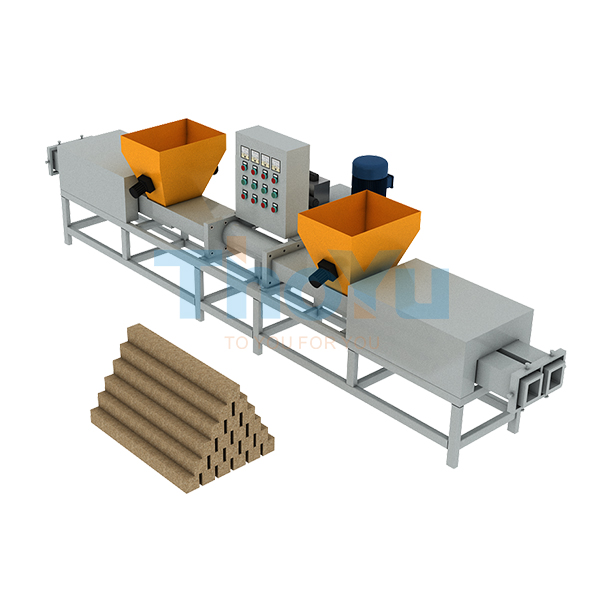
ThoYu recently partnered with a European pallet manufacturer to retrofit their production line with an automated chamfering system optimized for varying wooden stringer thicknesses ranging from 25mm to 80mm. Key outcomes included:
These results underscore the strategic value of engineering wooden stringer thickness selection combined with precise chamfering to elevate product reliability and operational throughput.
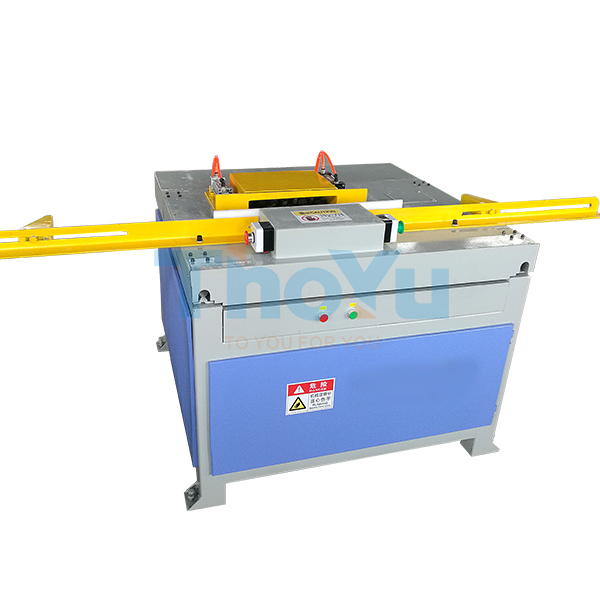
Integrating digital solutions facilitates monitoring critical parameters like stringer thickness tolerances, beveling precision, and production throughput in real-time. This intelligence enables:
Digital transformation is not optional for future-ready pallet producers; it is a necessary step to maintain competitiveness in a global marketplace increasingly demanding quality, efficiency, and traceability.
Unlock superior efficiency and quality in your pallet production by adopting ThoYu’s cutting-edge adjustable chamfering technology and digital process management. Discover more about high-efficiency chamfering processing solutions today.