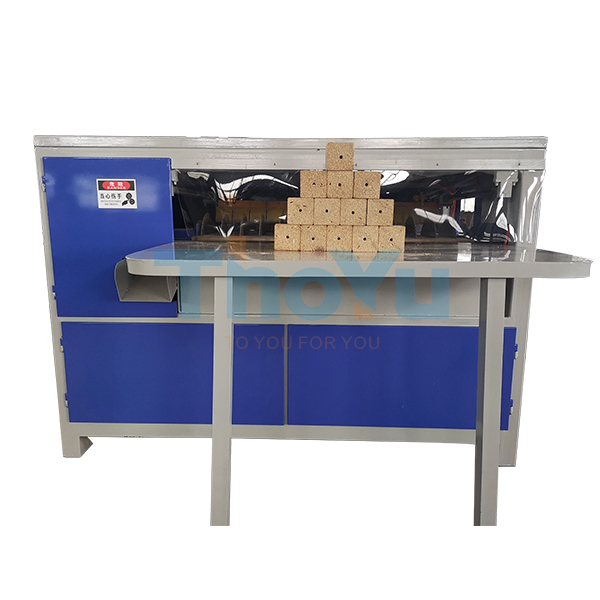

In the pallet manufacturing industry, precise selection of wood beam dimensions is critical to ensure optimal load performance, durability, and handling efficiency. ThoYu specializes in high-precision woodworking solutions, bringing cutting-edge insights into how varying wood beam thicknesses, ranging from 20mm to 120mm, affect pallet strength and forklift compatibility, aligned with European and North American standards.
The thickness of the wooden longitudinal beams directly influences a pallet’s structural integrity. Thinner beams (~20-40mm) offer cost efficiency and lighter weight but are often limited to supporting light loads below 500 kg. Medium thickness beams (50-80mm) are most widely used in industrial pallet applications, balancing load capacity up to approximately 1500 kg with manageable weight. For heavy-duty pallets, thicker beams (90-120mm) ensure support for loads exceeding 2000 kg, crucial for large-scale logistics and forklift operations.
Compliance with relevant standards—such as the European EN 13698-1 and the North American ASTM D1185—mandates dimension tolerances to secure safety and interoperability. Using optimized beam thicknesses within these frameworks prevents costly failures and extends pallet lifecycle.
Chamfering, the beveling of wood beam edges, plays a pivotal role in forklift operating efficiency. The chamfer angle and depth must be fine-tuned for smooth forklift entry and exit, minimizing damage to both equipment and pallets.
Practical research indicates that a chamfer angle around 45° with a depth between 8-15mm significantly reduces entry resistance during high-frequency forklift operations. Shallow chamfers (<8mm) can cause impact shocks, while overly deep (>15mm) bevels risk weakening structural edges.
Traditional manual chamfering methods, reliant on skilled labor, limit consistency and throughput. The advent of automated adjustable chamfering machines revolutionizes the process, allowing precise parameter settings for various wood thicknesses and pallet specifications.
These machines enable swift switches between beam sizes and chamfer dimensions, reducing waste rates by up to 20% and improving quality control through digital monitoring systems—a key component in ThoYu’s push toward digitalized process management.
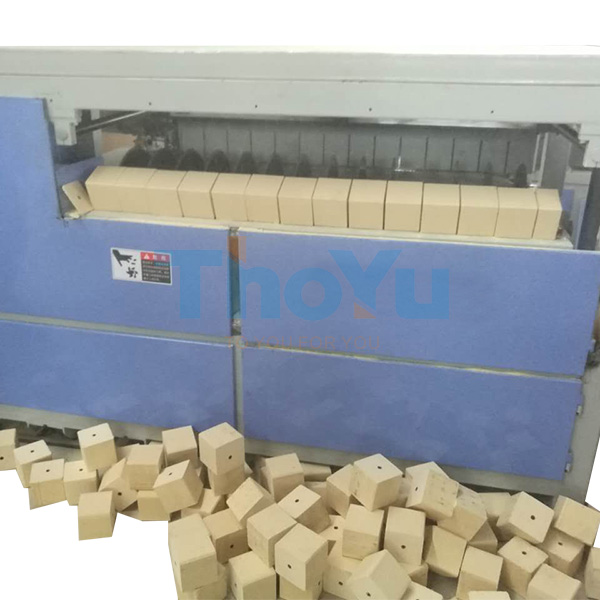
A leading European pallet manufacturer integrated ThoYu’s adjustable chamfering technology into their production line for custom pallets with variable wood beam thicknesses between 30mm and 100mm. Following automation, scrap rates dropped from 8% to 3%, with notable improvements in fork entry smoothness and product uniformity.
The adoption of digitalized process management tools allowed real-time tracking of chamfer parameters and beam quality metrics, facilitating proactive maintenance and batch traceability—essential for meeting stringent supply chain standards.
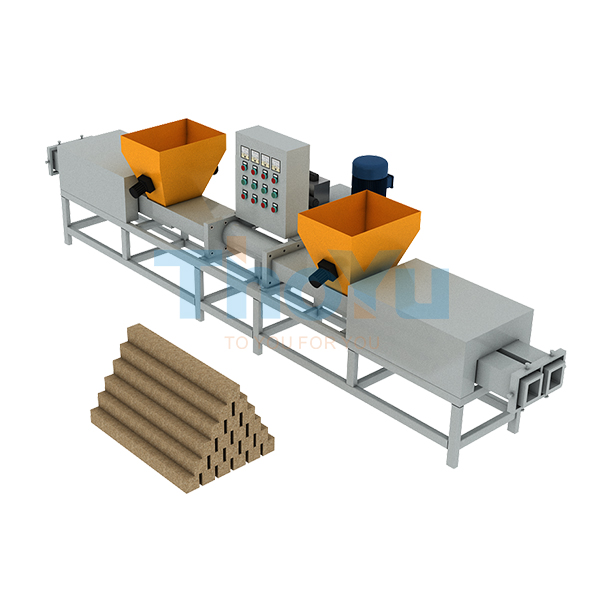
In an era increasingly defined by smart manufacturing, digitized chamfering process control becomes a cornerstone for enhancing throughput and standardization. Integrating IoT-enabled sensors and visualization dashboards reduces human error and empowers stakeholders to make data-driven decisions on wood beam specifications and chamfer parameters.
Emphasizing production efficiency improvement and waste reduction aligns with sustainable manufacturing goals and economic feasibility, positioning companies strategically in both European and North American markets.