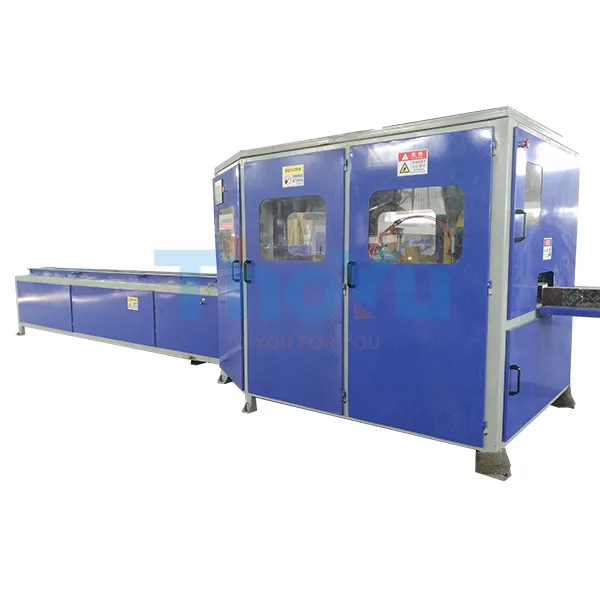

In the world of pallet design and manufacturing, the thickness of wooden pallet stringers plays a pivotal role in determining overall durability, load capacity, and operational efficiency. From meeting stringent European and North American pallet standards to customizing pallets for unique logistics needs, understanding how to select the optimal stringer thickness — ranging between 20mm and 120mm — is critical. This guide delves into how these variations impact pallet performance, alongside how chamfering processes can improve forklift insertion and handling.
Wooden pallet stringers, acting as the longitudinal beams supporting deck boards, must balance strength with material efficiency. Thinner stringers (20mm–40mm) are typically favored for lightweight applications and recyclable pallets in European distribution centers, adhering to EN 13698-1 standards which emphasize uniform quality and eco-friendly materials.
Medium thickness ranges (45mm–80mm) suit the North American market, conforming to ANSI MH1-2022 pallet guidelines, offering enhanced load capacity, typically up to 1500 kg static weights, while maintaining affordability for high turnover logistics.
For heavy-duty and custom pallets, especially in industrial or export scenarios, thicknesses between 90mm and 120mm deliver superior robustness, essential for handling loads exceeding 2500 kg and withstanding harsh operational conditions.
Beyond thickness, the chamfer angle and depth—the beveled edges on stringers—directly affect how smoothly forklift tines engage pallets. Studies indicate that a chamfer bevel at 30° with a depth of approximately 10mm can improve tine entry efficiency by 15-25%, significantly reducing loading time in busy warehouses.
Conversely, insufficient or inconsistent chamfering causes tine misalignment, increasing wear on material handling equipment and operational downtime. Proper chamfer design reduces impact forces, enhancing both safety and fork tip longevity.
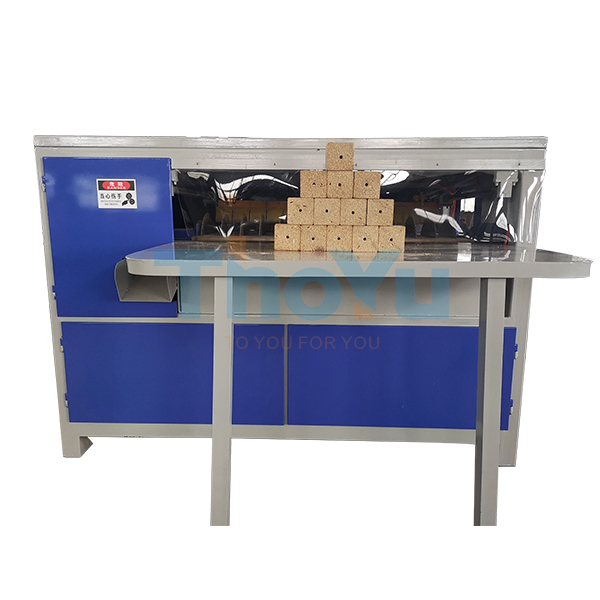
Traditional chamfering involved skilled manual labor with handheld tools, presenting variability in precision and repeatability that led to frequent quality issues and higher rejection rates. The industrial shift to automated and digitally controlled chamfering machines allows adjustable angles and depths tailored to specific pallet designs.
Flexible chamfering equipment with CNC integration enables quick adaptation to different stringer thicknesses — from 20mm up to 120mm — maintaining ±0.2 mm accuracy. This agility supports rapid production changes aligned with evolving market requirements.
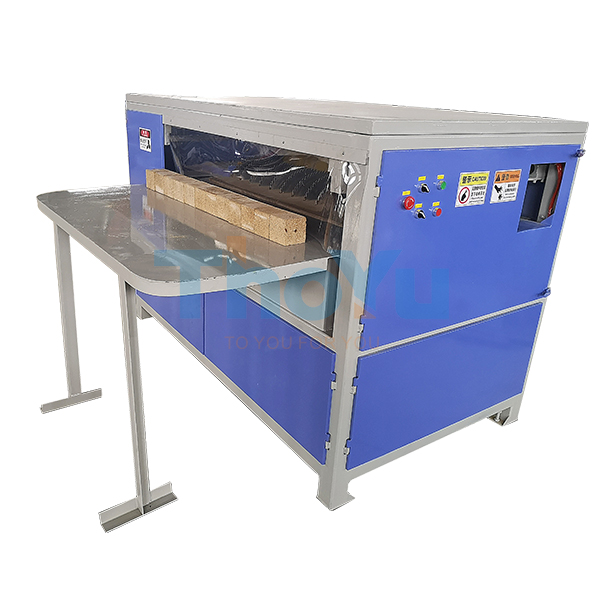
ThoYu, a pioneer in digitalized pallet manufacturing, recently implemented an automated chamfering line integrated with real-time process monitoring software. Post-implementation, ThoYu recorded a 30% decrease in scrap rates related to edge defects and a 20% increase in throughput capacity.
By standardizing stringer thickness between 50mm and 90mm and fine-tuning chamfer parameters via software dashboards, they have achieved consistency in pallet durability and optimized forklift handling across their European and North American client bases.
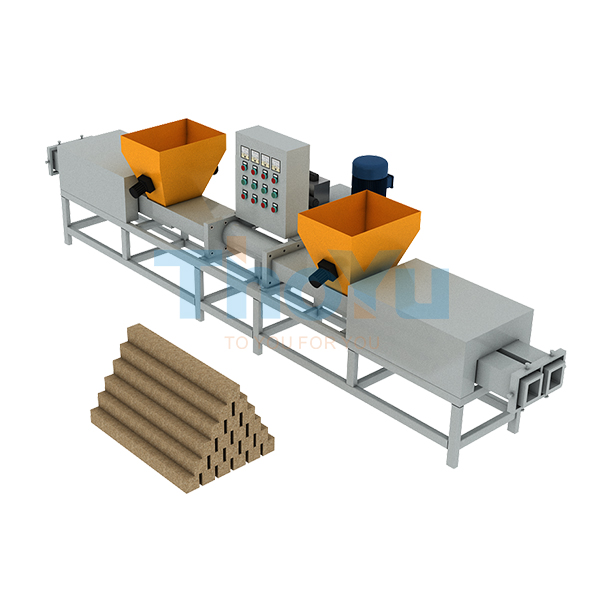
Successfully balancing wood stringer thickness with precise, digitally-controlled chamfering processes is a cornerstone for modern wooden pallet manufacturing. This enables businesses to reduce waste, increase production quality, and meet international standards efficiently.