
In the dynamic wooden pallet manufacturing industry, chamfering technology plays a pivotal role in improving both product quality and on-site safety. The integration of automated chamfering equipment has transformed traditional processes, delivering remarkable enhancements in production efficiency and compliance with stringent safety standards. This article explores the fundamental principles, detailed workflows, and technical challenges of wood pallet chamfering, with a focus on vertical beams ranging from 20mm to 120mm thickness.
Chamfering refers to the process of beveling or removing sharp edges on wood pallets to reduce injury risks during handling and transportation. Precision in chamfering not only prevents damage to goods but also extends pallet longevity by eliminating stress concentrations at corners. Modern automated systems apply consistent, uniform chamfers, greatly reducing manual labor errors found in conventional workflows.
The key technical focus lies in adapting chamfering tools to accommodate wood vertical beams with variable thicknesses, typically between 20mm and 120mm. This versatility ensures compatibility with different pallet designs without compromising chamfer integrity or cycle times.
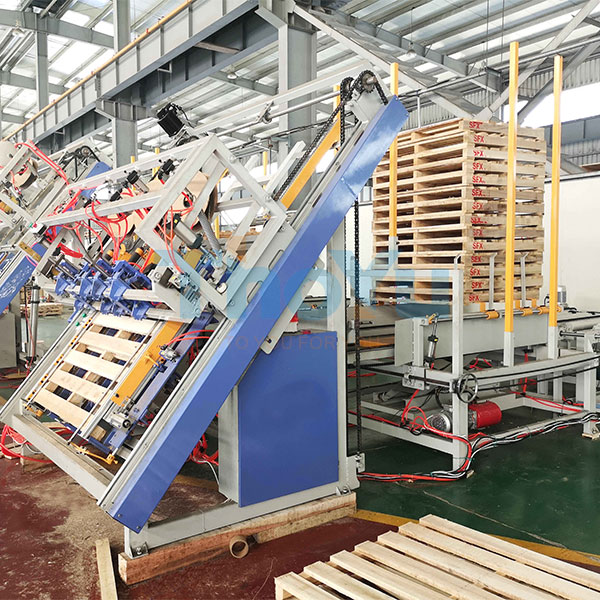
One of the significant hurdles is ensuring consistent chamfer quality across wood beams with thicknesses ranging from 20mm to 120mm. Thicker beams require more robust cutting mechanisms with adjustable feed rates to avoid overheating or tool wear, while thinner beams demand delicate handling to prevent splintering.
Advanced automated chamfering equipment includes features such as adaptive pressure clamps, variable-speed routers, and real-time feedback control. These innovations allow seamless switching between products without manual recalibration, optimizing throughput and minimizing downtime.
Safety is paramount in wooden pallet chamfering operations. Strict adherence to safety guidelines—such as emergency stop functionality, protective guarding, and air filtration units—reduces workplace hazards. Regular maintenance schedules and predictive diagnostics ensure equipment longevity and operational consistency.
Empowering machine operators with detailed training on automated chamfering systems and real-time monitoring dashboards fosters a culture of safety and continuous improvement.
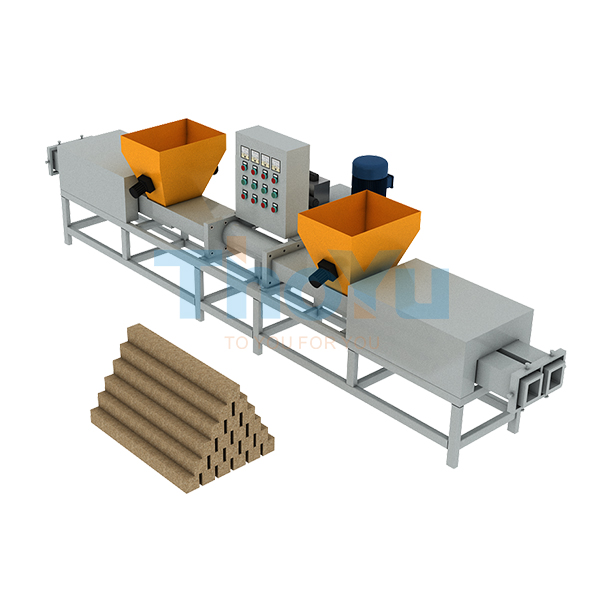
A leading pallet manufacturer recently integrated ThoYu’s automated chamfering system into their production line. Within six months, productivity increased by 25%, while workplace incidents related to manual edge finishing dropped nearly 90%. Digital dashboards enabled process transparency, driving faster troubleshooting and reduced scrap rates.
These operational gains underscore how investing in cutting-edge chamfering technology is a strategic enabler for companies targeting quality upgrades and digital transformation in pallet manufacturing.
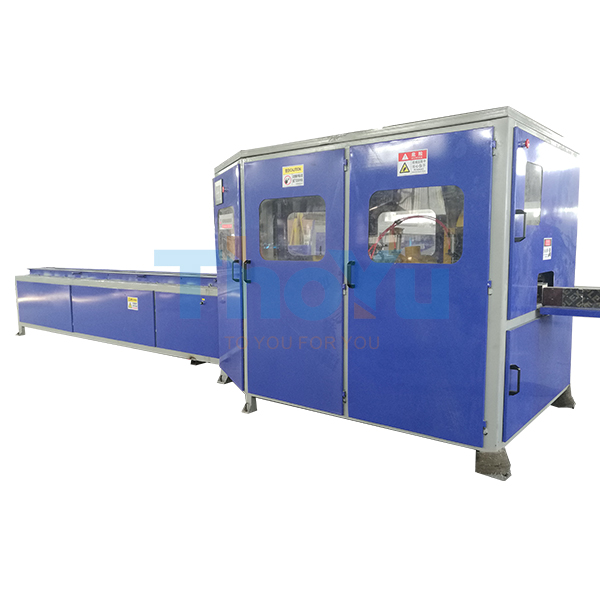
To foster knowledge exchange and industry best practices, dedicated forums and Q&A sections linked to automated chamfering processes encourage technicians, safety officers, and procurement managers to share insights and queries. This interaction cultivates a vibrant professional ecosystem around wood pallet innovation.
Have you encountered challenges with wood pallet edge finishing? Join discussions with experts and peers to explore effective solutions and emerging trends supporting safer, more efficient pallet production.