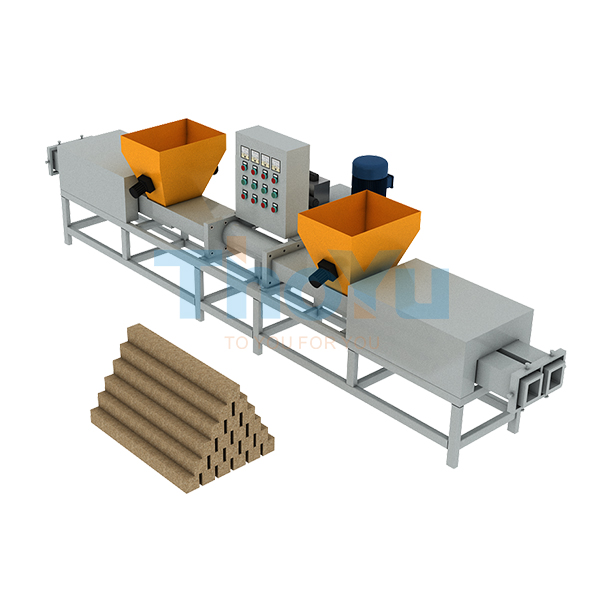
Wood Pallet Briquette Machine Uneven Discharge? Step-by-Step Troubleshooting Guide
Experiencing uneven discharge from your wood pallet briquette machine? Don’t worry! This guide walks you through step-by-step troubleshooting of common issues—from material blockage and worn screens to hydraulic system abnormalities. You’ll find practical on-site repair tips and a detailed daily, weekly, and monthly maintenance checklist to quickly restore production efficiency and extend your machine’s lifespan. Designed for ease of use, even beginners can confidently manage their equipment.

Troubleshooting Uneven Discharge in Wood Pallet Briquette Machines
Encountering uneven discharge on your wood pallet briquette machine? You’re not alone. This common challenge can disrupt your production flow, leading to increased downtime and operational inefficiencies. Fortunately, with a methodical approach, you can identify and fix the root causes effectively. This detailed guide walks you through step-by-step diagnostics, practical fixes, and maintenance routines that will keep your ThoYu briquette machine running smoothly.
Understanding the Problem: What Does “Uneven Discharge” Look Like?
Uneven discharge primarily means that the briquettes come out inconsistently — some may be under-compressed, irregularly sized, or produced sporadically. You might also notice machine stalling or abnormal sounds during operation. This not only reduces product quality but can also bottleneck your production line, impacting delivery schedules and costs.
Key Reasons Behind Uneven Discharge
We categorize the main causes into four segments for clearer diagnosis:
- Mechanical Issues: belt tension, worn components, or misaligned parts.
- Hydraulic System Anomalies: fluctuating pressure, valve malfunction, or hydraulic oil degradation.
- Material-Related Causes: moisture content variance, material blockages, or sieve wear.
- Operator Errors: incorrect settings or inconsistent feeding rates.
Step-by-Step Diagnostic and Repair Flowchart
- Check belt tension and condition: a loose or damaged belt can cause feed irregularity.
- Inspect sieve and discharge channels: clean any blockages, replace worn screens.
- Monitor hydraulic pressure using the gauge: pressure fluctuations suggest valve or pump issues.
- Examine feedstock quality: ensure consistent moisture and particle size.
- Verify machine settings: confirm speed, pressure, and feed parameters are correctly configured.
Practical Fixes You Can Implement Today
Depending on what you find during inspection, here are actionable solutions:
- Clear material jams: Disassemble discharge chute if necessary and remove blockages carefully.
- Replace or clean sieve screens: Aging or damaged screens reduce material flow consistency.
- Adjust hydraulic valves: Fine-tune pressure settings to manufacturer guidelines; replace faulty valves promptly.
- Maintain motor health: Check for abnormal loads or overheating, lubricate bearings as needed.
- Stabilize feedstock supply: Use pre-dried materials and standardized particle sizes to avoid feed inconsistency.
Maintenance: Your First Line of Defense
Scheduled maintenance is crucial for keeping your briquette machine dependable. Below is a simple, easy-to-follow maintenance calendar:
| Frequency |
Tasks |
| Daily |
Check belt tension, clear discharge chute, inspect hydraulic fluid levels. |
| Weekly |
Clean and inspect sieves, verify motor temperature, lubricate moving parts. |
| Monthly |
Inspect hydraulic valves and hoses, perform full belt inspection and replacement if signs of wear detected. |
Expert Tip: Consistency in feedstock quality is often overlooked but plays a pivotal role in ensuring smooth briquette machine operation. Regular lab checks for moisture and particle size can save hours of troubleshooting.
Frequently Asked Questions (FAQ)
-
Q1: My briquette machine stalls frequently during operation. What should I check first?
-
A1: Start with the hydraulic pressure and belt tension. Pressure drops or loose belts are common culprits causing stalling.
-
Q2: How often should I replace the sieve screen?
-
A2: Depending on material abrasiveness and usage, replace or inspect screens every 3-6 months to avoid clogging issues.
-
Q3: Can material moisture cause uneven discharge?
-
A3: Absolutely. Excess moisture alters feedstock flow properties, causing blockage or inconsistent compaction. Maintain moisture content below 15% for optimal results.
Real-Life Success Story
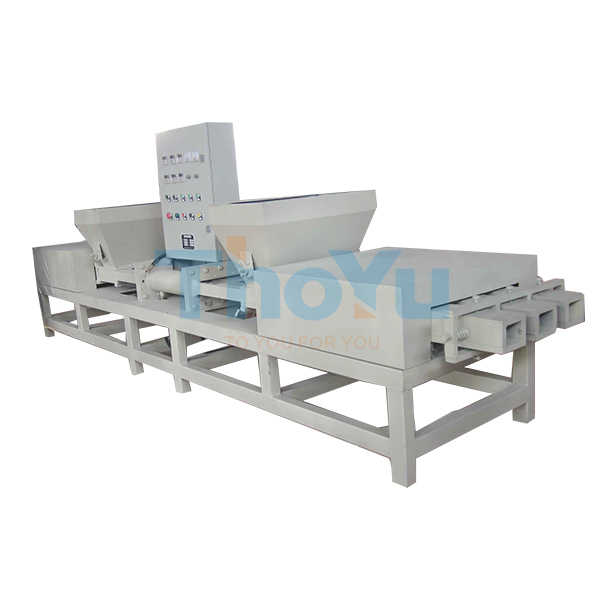
One of our clients in Eastern Europe faced significant uneven discharge that slowed their pallet production line by 20%. By following the stepwise troubleshooting outlined above, they identified worn hydraulic valves and irregular feedstock moisture as the main issues. After replacing valves and standardizing feedstock preparation, their throughput improved by 18% within two weeks — minimizing costly downtime.
Ready to enhance your briquette machine’s performance? Click here to learn more about ThoYu's technical support and premium briquette solutions