

Dust pollution during the woodworking glue mixing process represents a persistent challenge, jeopardizing worker health and reducing operational efficiency. Studies estimate that up to 85% of airborne dust in wood processing workshops originates from glue mixing activities, elevating risks related to respiratory illnesses and workplace safety compliance.
"Dust exposure during mixing not only burdens employees but also leads to production downtime caused by equipment fouling and regulatory inspections." – Industry Expert
Conventional closed-top glue mixers often trap volatile compounds, increasing internal pressure. Manual feeding and unloading provoke dust clouds, leading to contamination beyond the mixing area. These factors elevate health risks such as occupational asthma and create costly environmental compliance concerns for companies.
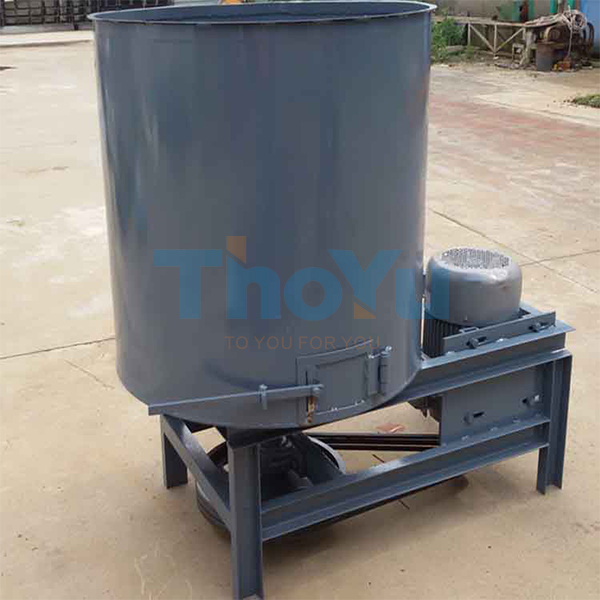
Zhengzhou Tuoyu Electromechanical's cylindrical glue mixer features an innovative open-top design. This structure naturally facilitates dust escape prevention by allowing continuous airflow circulation, mitigating dust accumulation inside the chamber. Compared to traditional enclosed mixers, this design reduces pressure buildup, ensuring safer operation and easier dust extraction.
Key Advantages:
By implementing automatic feeding and unloading mechanisms, the system significantly reduces manual interaction with the mixture, which is a major source of dust dispersion. This approach not only lowers airborne particulate generation but also improves production consistency through controlled material handling.
"Automation decreases dust exposure incidents and streamlines operations—critical for small to medium-sized enterprises scaling their green manufacturing efforts." – Senior Operation Manager, Zhengzhou Tuoyu
The open-top mixer is complemented by a tailored ventilation system designed to maintain negative pressure around the mixing area. This combination efficiently extracts dust particles at the source, reducing ambient airborne dust concentration by up to 70%, as verified in field trials.
| System Configuration | Average Dust Reduction | Operational Benefit |
|---|---|---|
| Traditional Closed Mixer Only | ~30% | Limited dust containment, higher cleaning frequency |
| Open-Top Mixer with No Ventilation | ~50% | Improved airflow but dust still disperses manually |
| Open-Top Mixer + Automated Feeding + Ventilation | ~70% | Optimal dust control, enhanced worker safety, regulatory compliance |
To sustain the dust control efficacy, routine maintenance is essential. Recommended practices include:
"Since switching to the open-top mixer with automated feeding, our dust-related complaints dropped dramatically. Not only is the workspace cleaner, but our team feels safer and more motivated." – Assembly Line Operator, Local Wood Products Manufacturer
A mid-sized wood furniture company implemented this integrated solution six months ago. Results included:
or Book a Free Online Consultation for Tailored Dust Management Solutions