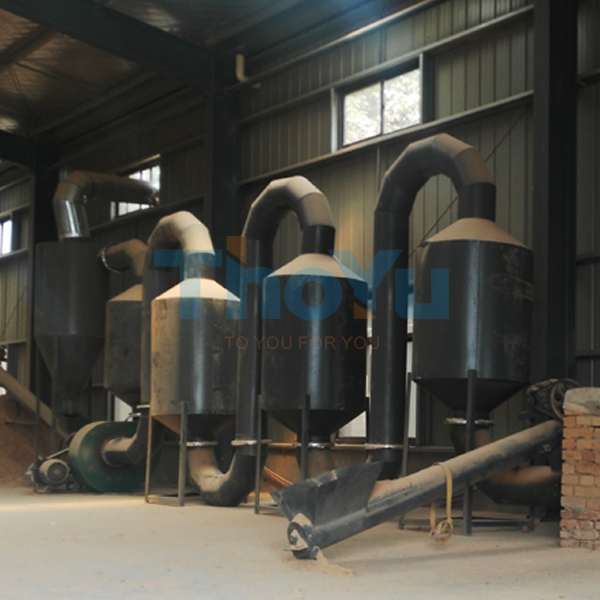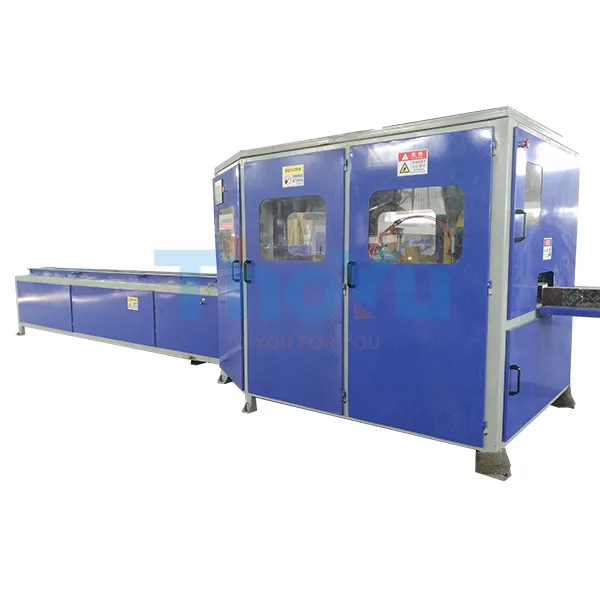

In the wood processing industry, mastering the drying process is essential for elevating the output quality of furniture exports. Efficient wood material drying not only stabilizes production lines but also significantly reduces defects and scrap rates, thus securing a competitive edge in the global marketplace. This article delivers an in-depth analysis of the drying workflow—from initial raw material preparation through temperature and humidity management, concluding with moisture-proof cooling—tailored for diverse applications including furniture manufacturing, engineered wood panels, and artisan crafts.
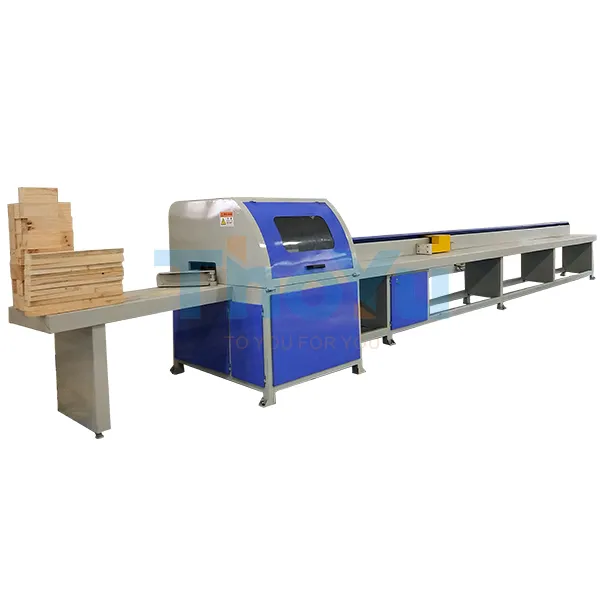
Uniformity in the initial wood slicing protocol directly impacts drying consistency and speed. Precision in slice thickness reduces moisture gradients, which prevents internal stress and warping during subsequent drying stages. Empirical data shows that maintaining slice variance within ±0.5mm enhances drying throughput by up to 15% and reduces structural defects by approximately 12%.
The drying chamber’s environmental conditions must be systematically controlled, adopting a staged humidity and temperature profile tailored to specific wood species and intended end-use. For example, furniture-grade wood demands a gentler drying curve, gradually decreasing humidity from around 90% to 10% over a 24-36 hour cycle, ensuring dimensional stability and surface integrity. Conversely, panels for man-made boards tolerate slightly elevated final moisture levels but require stringent temperature ramp-ups to avoid resin degradation.
ThoYu’s expertise integrates tailored solutions for diverse downstream uses. Furniture manufacturing necessitates rigorous control over residual moisture content, ideally below 8%, to prevent post-production deformation. Human-made boards benefit from a balanced drying approach focusing on core moisture uniformity for enhanced adhesive performance. Artisan and craft materials often adopt differentiated drying profiles to preserve delicate grain textures and surface appeal.
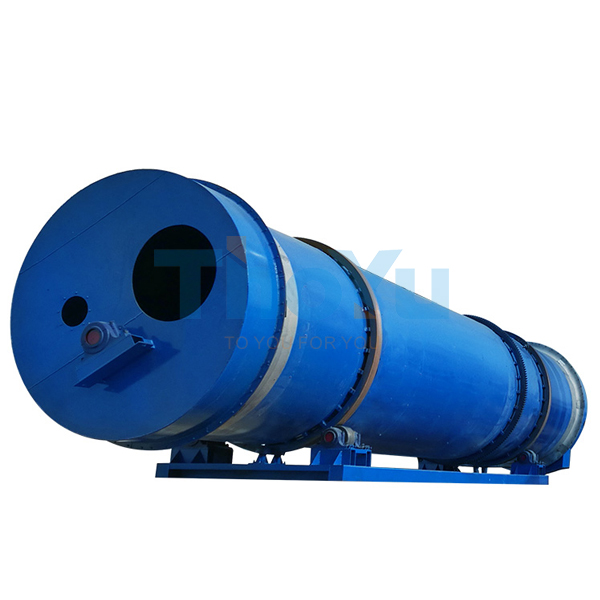
Integrating real-time moisture sensors with feedback-controlled drying mechanisms elevates precision in water content adjustment. Case studies reveal that deploying these systems reduced excessive drying occurrences by 30% and minimized under-dried batches, effectively lowering waste rates by 18%. This automation aligns with Industry 4.0 principles, allowing continuous monitoring and immediate process correction without production downtime.
After drying, proper cooling combined with humidity control is critical to avoid moisture reabsorption, a common cause behind surface cracking and fungal contamination. Effective techniques include forced air cooling under controlled dew point conditions and rapid transfer to desiccant storage. Operational guidelines strongly discourage prolonged exposure to ambient humid environments post-drying.
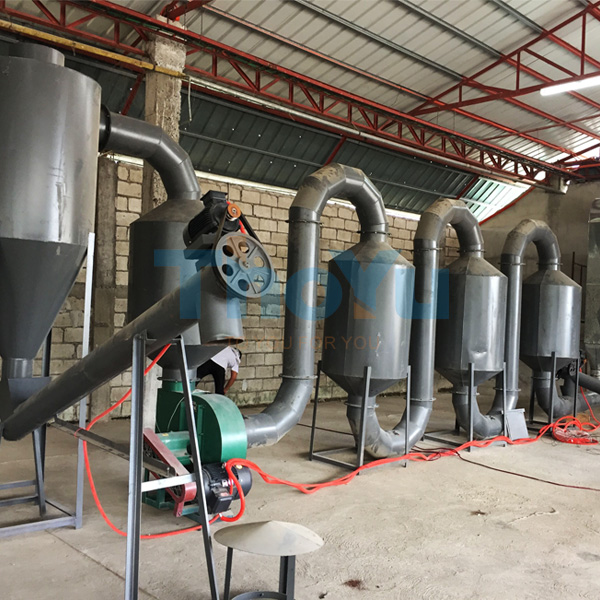
Firms embracing a disciplined, data-driven drying workflow—complemented by advanced moisture control technologies—can consistently deliver high-grade furniture components. This approach translates to fewer rejects, enhanced production line stability, and ultimately, a strengthened position in challenging export markets.