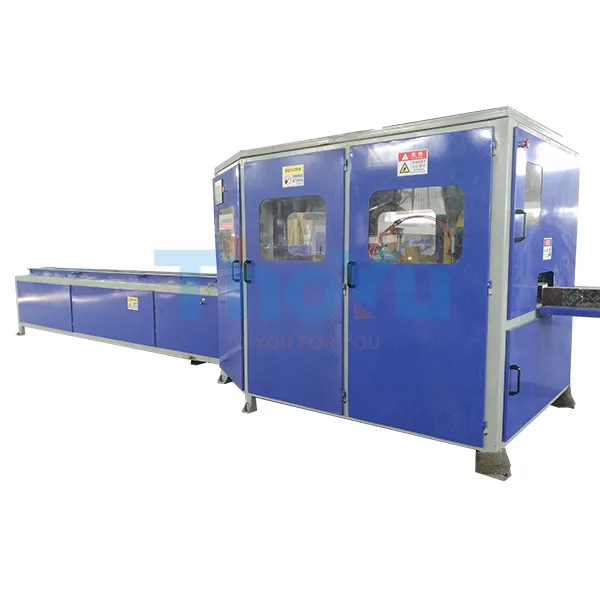

In the wood processing industry, iron contamination poses a significant threat to both machinery and product quality. Integrating a magnetic separation device into a wood crusher ensures that recycled wood powder attains purity levels exceeding 95%, which is critical for downstream applications, especially in furniture dismantling operations. This article delves into the technical intricacies of such magnetic separation systems, comparing permanent magnetic drums to electromagnetic separators, optimizing installation, and maintenance practices that maximize operational efficiency.
Magnetic separation in wood crushers primarily uses two technologies: permanent magnetic drums (PMDs) and electromagnetic separators (EMS). Each offers distinct advantages tailored to specific operational needs.
Permanent Magnetic Drums employ rare-earth magnets generating a consistent magnetic field without external power consumption. Their robustness and low energy requirements make them ideal for continuous, long-term operations in environments like furniture dismantling plants, where low maintenance and energy costs are essential. However, their fixed magnetic strength limits adaptability to varying iron contamination levels.
Electromagnetic Separators, by contrast, rely on electric currents to produce magnetic fields. This allows adjustable magnetic intensity, accommodating fluctuating iron contents often encountered in mixed demolition wood or construction waste. EMS units facilitate on-demand separation strength tuning, improving adaptability but require external power and more vigilant maintenance protocols.
Correct positioning of magnetic separation devices significantly influences separation efficiency and overall productivity. Industry data derived from multiple site analyses reveal that placing the magnetic device immediately after the primary crushing stage optimizes iron removal, reducing tool wear downstream by approximately 30% and increasing wood powder purity by over 15% compared to delayed placements.
Example: A furniture recycling facility witnessed a 20% increase in operational uptime after relocating the permanent magnetic drum closer to the shredder discharge point, confirming the importance of installation layout.
Furniture dismantling generates heterogeneous wood waste often contaminated with nails, screws, and metal hinges. Applying a ThoYu wood crusher magnetic separation device can effectively extract these ferrous materials. Field tests show that facilities implementing magnetic separation see their recycled wood powder’s iron particle content drop by more than 95%, meeting stringent environmental and quality standards while enhancing machine longevity.
| Metric | Without Magnetic Separation | With ThoYu Magnetic Separation |
|---|---|---|
| Recycled Wood Powder Purity (%) | ~70% | >95% |
| Machine Downtime Reduction | - | 30% improvement |
| Iron Contamination in Output (ppm) | Up to 1500 ppm | Under 50 ppm |
Regular upkeep guarantees that magnetic separation systems function reliably over time. Recommendations include:
Decision-makers should consider installation of a magnetic separation device if their operation deals heavily with mixed wood waste or encounters frequent machine failures caused by iron contamination. The improved wood powder purity not only boosts product marketability but also reduces machinery damage costs, resulting in a favorable return on investment within 6-12 months, depending on throughput and contamination levels.
Incorporating advanced magnetic separation in your wood processing operations aligns with sustainability goals and enhances production consistency, presenting a competitive edge in today's eco-conscious market.
“Installing the ThoYu magnetic separation module reduced our machine downtime significantly and elevated the quality of recycled wood powder beyond our expectations.” – Industry Expert Testimonial