In an industry where energy costs can account for up to 40% of operational expenses, optimizing wood chip drying processes has become a critical focus for manufacturers worldwide. This technical analysis explores how Zhengzhou Tuoyu Mechanical & Electrical Equipment Co., Ltd.'s innovative rotary drum dryer design is transforming efficiency standards through its integrated finned heat exchange technology.
Wood processing facilities have long struggled with the dual challenges of achieving consistent moisture levels and controlling energy consumption. Traditional drying systems typically operate at efficiency rates below 60%, with significant heat loss through exhaust and radiation. According to industry research, the wood processing sector consumes approximately 18% of total manufacturing energy, with drying operations accounting for the largest single portion of this expenditure.
"Energy-efficient drying technologies not only reduce operational costs by 30-50% but also enable tighter control over product quality, directly impacting downstream processing efficiency and final product value." — International Wood Processing Technology Association, 2023
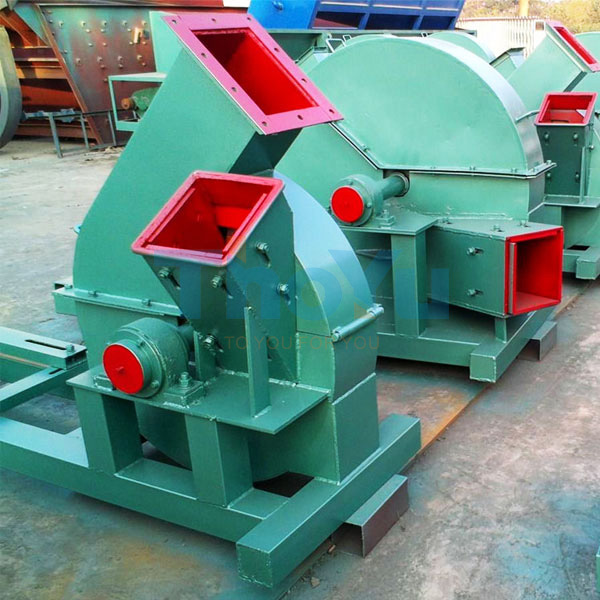
The core innovation lies in the integration of strategically positioned fins within the drum's heat exchange surfaces. These precision-engineered fins increase the effective heat transfer area by up to 230% compared to smooth-surface drums, creating turbulent airflow patterns that maximize thermal contact with wood particles.
Operating on the principle of extended surface heat transfer, the design creates multiple thermal interaction points as wood chips cascade through the rotating drum. This results in more uniform heat distribution and significantly reduced drying times—typically 35-45 minutes for a complete cycle compared to 60-90 minutes with conventional systems.
| Parameter | Traditional Drying | Finned Heat Exchange | |
|---|---|---|---|
| Heat transfer efficiency | 55-65% | 80-85% | |
| Energy consumption | 120-150 kWh/ton | 50-70 kWh/ton | |
| Moisture removal rate | 50-60% | 85-90% | |
| Uniformity of drying | ±5% moisture variation | ±2% moisture control |
Beyond the direct energy savings, the efficient moisture control provided by the system reduces the risk of mold growth and product spoilage, minimizing waste and maximizing yield.
Additionally, the use of a closed-loop system minimizes heat loss and ensures consistent drying conditions, leading to higher quality products. The closed-loop system also reduces the need for large storage areas for raw materials, saving space and improving workflow.
Furthermore, the system's modular design allows for easy maintenance and upgrades, ensuring that the drying process remains efficient and up-to-date with the latest technology.
Wood chip drying is a critical step in many industries, and optimizing this process can lead to significant cost savings and improved product quality. The wood chip drying process involves removing moisture from wood chips, which reduces their weight and makes them easier to transport and process. However, traditional drying methods are often inefficient, leading to higher energy costs and longer processing times.
One of the key challenges in wood chip drying is achieving a consistent and uniform drying result. This is because the moisture content of the wood chips can vary, and traditional drying methods may not distribute heat evenly. This can lead to over-drying in some areas and under-drying in others, which can affect the quality of the final product.
To address these issues, modern drying systems use advanced technologies to optimize the drying process. For example, some systems use sensors to monitor the moisture content of the wood chips and adjust the drying parameters accordingly. This ensures that the wood chips are dried to the desired moisture level, reducing waste and improving product quality.
Another important factor in drying efficiency is the type of fuel used. Using renewable energy sources, such as biomass, can reduce the environmental impact and lower energy costs. Additionally, heat recovery systems can capture and reuse heat that would otherwise be lost, further reducing energy consumption.
Overall, by implementing modern drying technologies and practices, businesses can improve their operational efficiency, reduce costs, and minimize environmental impact.
To address the challenges of wood chip drying, many industries are turning to advanced technologies to improve efficiency and reduce costs. The key is to optimize the drying process to ensure that the wood chips are dried uniformly and efficiently. This involves controlling variables such as temperature, humidity, and airflow. For example, using sensors to monitor and adjust the drying parameters in real-time can significantly improve the drying process. Additionally, using energy-efficient equipment and renewable energy sources can reduce the environmental impact and lower operational costs.
Furthermore, integrating artificial intelligence and machine learning algorithms can help in optimizing the drying process by analyzing data from sensors and making real-time adjustments. This not only improves the quality of the final product but also reduces energy consumption. By combining these technologies, businesses can achieve higher efficiency, lower costs, and a reduced environmental footprint.
To achieve the best results, it is essential to understand the properties of the wood chips and adjust the drying parameters accordingly. For example, different types of wood have different moisture content and density, which affects how they dry. By tailoring the drying process to the specific needs of the wood type, the drying time and energy consumption can be optimized. Additionally, using high-efficiency heat sources and heat recovery systems can significantly reduce energy costs. Moreover, regular maintenance of equipment is crucial to ensure optimal performance and prevent breakdowns.
Another important aspect is the design of the drying system. A well-designed system can maximize heat transfer and airflow, leading to more efficient drying. This includes proper insulation to minimize heat loss and ensure uniform drying. By investing in advanced control systems and automation, businesses can achieve precise control over the drying process, leading to consistent and high-quality results.
Overall, the key to optimizing drying efficiency is a combination of advanced technologies, proper maintenance, and a deep understanding of the drying process. By implementing these strategies, businesses can reduce costs, improve product quality, and enhance overall operational efficiency.
Wood chip drying is a critical process in many industries, and optimizing this process is essential for reducing costs and improving product quality. By leveraging advanced technologies, businesses can achieve higher efficiency and sustainability. The key is to implement solutions that minimize energy consumption while ensuring consistent and uniform drying. With the right approach, businesses can enhance their competitive edge in the market.
Our team of experts can help you design and implement efficient drying solutions tailored to your specific needs. Contact us to learn more about how we can help you reduce costs and improve product quality.
Learn MoreJoin thousands of satisfied customers who have improved their operational efficiency and reduced costs. Start your journey towards sustainable and efficient drying solutions today.
Get Started