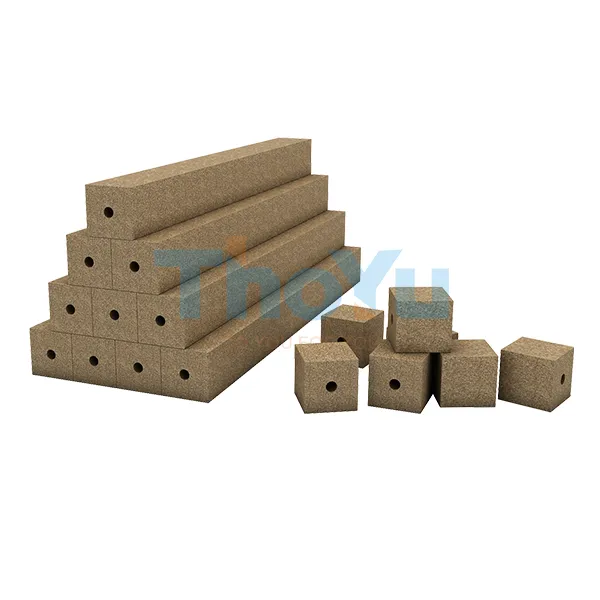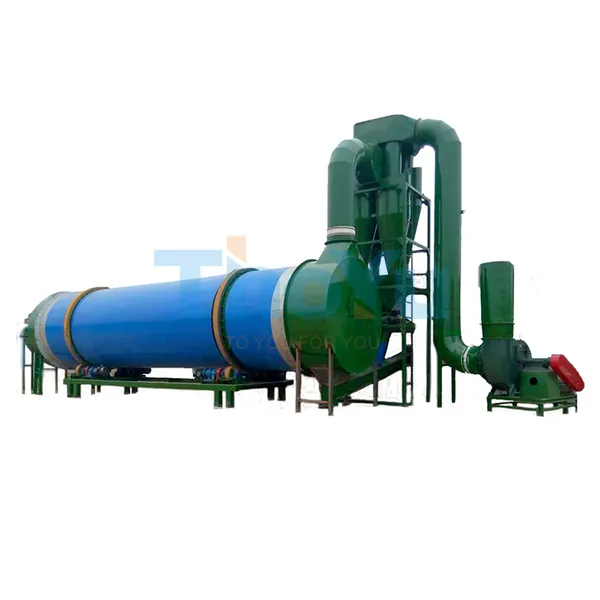

The global push towards sustainable manufacturing bolsters the crucial role of plastic recycling technologies. One exemplary innovation is the extrusion process developed by Zhengzhou Tuoyu Electromechanical Equipment Co., Ltd. that transforms waste plastics into high-quality pallet raw materials. This article scrutinizes the full extrusion workflow— from waste sorting and cleaning to drying and single-screw extrusion—highlighting the technical nuances and optimization strategies critical for efficient, eco-friendly production.
The journey begins with meticulous sorting of waste plastics to segregate materials by type, contamination level, and color, which directly impacts final product quality. Efficient sorting reduces non-conforming input by up to 30%, significantly lowering operational rework. Following sorting, a multi-stage cleaning process removes residual dirt, oils, and labels, using friction washers, hydrocyclones, and flotation tanks. Effective cleaning enhances pellet consistency, reducing defects by approximately 18% based on industry case studies.
Subsequent drying ensures moisture levels in plastic flakes are minimized—ideally below 0.1%. Residual moisture can lead to steam formation during extrusion, causing bubbles and weakened structural properties in pallets.
At the heart of the process lies the single-screw extruder, engineered for optimal melting and homogenization of plastic flakes. Temperature control systems maintain zone-specific heating, critical for preventing overheating or under-melting. For example, operating zones are set between 180°C to 230°C, precisely monitored via PID controllers with ±2°C accuracy, safeguarding polymer integrity.
The screw itself is customized with length-to-diameter ratios ranging from 24:1 to 30:1, with specific thread designs to balance conveyance and shear forces. This custom screw architecture mitigates common defects such as material degradation and inconsistent melting.
Stable feeding is secured through integrated servo-driven feeders delivering consistent plastic flake supply at rates of 200-400 kg/hour depending on machine capacity. Fluctuations can lead to pellet size inconsistencies and air entrapment.
Common extrusion defects—clumping, bubbles, and color deviations—are addressed via real-time monitoring and parameter tuning: