Efficient Conversion of Waste Plastics into Pallet Raw Materials via Single-Screw Extrusion Technology
03 03,2026
Tutorial Guide
This article presents a comprehensive analysis of the single-screw extrusion process for transforming waste plastics into high-quality pallet raw materials. It covers the entire workflow including waste sorting, cleaning, drying, and extrusion under intelligent temperature control. Key factors such as temperature regulation, screw design, and feed stability are examined for their critical impact on plasticizing uniformity and product quality. Practical case studies and troubleshooting methods address common issues like agglomeration, bubbles, and color variations. This guide assists manufacturing managers in optimizing equipment parameters to enhance output consistency and production efficiency, promoting sustainable practices and cost-effective solutions in pallet manufacturing.

Efficient Conversion of Waste Plastic into Pallet Raw Material: A Complete Guide to Single-Screw Extrusion Technology
Transforming waste plastic into high-quality pallet raw materials plays a vital role in sustainable manufacturing and cost reduction. The single-screw extrusion process is a cornerstone technology, providing an efficient pathway from recycled plastic waste to robust pallet materials. This guide delves into the entire production workflow—from waste sorting and cleaning to drying and controlled extrusion—highlighting key technical parameters and troubleshooting strategies for maximizing product quality and output.
Comprehensive Workflow: From Waste Sorting to Dry, Clean Resin
The initial steps in recycling involve waste sorting to segregate plastics by type and contamination levels, ensuring feedstock consistency. Automated optical sorters or manual separation can be employed depending on facility scale. Subsequent cleaning stages remove dirt, oils, and residues using water-based washing systems, sometimes augmented by detergents or ultrasonic methods. Proper drying is imperative to reduce moisture content below 0.2%, since excess water leads to bubbles and poor pellet quality during extrusion.
Key Extrusion Parameters Impacting Product Quality
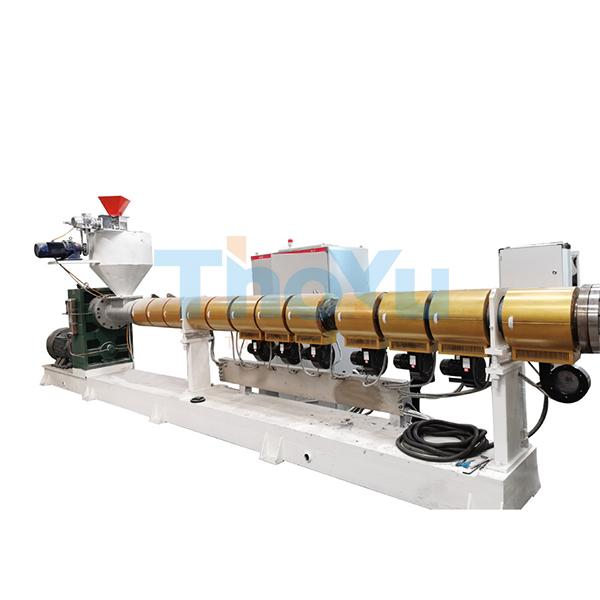
The heart of the process, the single-screw extruder, requires precise control over several parameters:
- Temperature Control: Intelligent temperature zones ensure uniform heating without overheating or underheating. Optimal temperature profiles range between 180°C and 240°C depending on the polymer type.
- Screw Design: A screw with a tailored compression ratio and mixing zones promotes homogeneous melting and prevents degradation. The length-to-diameter (L/D) ratio typically lies between 24:1 and 30:1 for pallet materials.
- Feeding Stability: Consistent feeding rates maintain melt viscosity and prevent defects such as voids or color streaks.
These factors directly affect the plasticization uniformity and final pallet material strength, dimensional stability, and surface finish.
Optimizing Extruder Settings to Enhance Throughput and Reduce Defects
Case studies indicate that adjusting screw speed and temperature gradients can raise production yield by up to 18%, while defect rates (including bubbles, color inconsistencies, and clumps) diminish by nearly 25%. A practical approach involves:
- Calibrating feeder speed to ensure smooth, continuous raw material input.
- Fine-tuning barrel temperature zones using PID controllers to maintain steady melt flow.
- Regular inspection for screw wear and prompt maintenance to avoid mechanical failures.
Real-time process monitoring through temperature sensors and torque analyzers aids operators in maintaining ideal extrusion conditions.
Common Troubleshooting for Extrusion Defects
Several frequent issues arise in pallet raw material extrusion:
| Issue |
Cause |
Recommended Solution |
| Material Clumping |
High moisture content or feeding inconsistency |
Enhance drying efficiency; stabilize feeder performance |
| Air Bubbles |
Moisture or trapped gases in plastic melt |
Pre-dry materials; optimize venting on extruder barrel |
| Color Variations |
Inconsistent raw material batches or temperature fluctuations |
Segregate feedstock carefully; maintain consistent temperatures |
Advancing Towards Green Manufacturing and Cost Efficiency
By employing advanced single-screw extruders equipped with intelligent temperature control systems and precision screw designs, pallet manufacturers can:
- Reduce raw material waste by up to 15%
- Lower energy consumption by an estimated 10%
- Improve material consistency, yielding higher-grade pallets with longer lifespans
This technical optimization aligns production efficiency with environmental responsibility—an increasingly vital demand in today's industrial landscape.
Interactive FAQ
-
Q: What moisture level is acceptable for waste plastics before extrusion?
-
A: Ideally, moisture content should be below 0.2% to prevent defects such as bubbles and voids.
-
Q: How can screw design influence extrusion quality?
-
A: Proper compression ratio and mixing zones in the screw ensure uniform melting and reduce material degradation, resulting in consistent pallet quality.
-
Q: Can single-screw extruders handle mixed plastic waste?
-
A: While single-screw extruders excel with relatively homogeneous waste streams, significant contamination requires pre-sorting or multi-extruder systems for optimal results.
By integrating these technical insights, pallet manufacturers can confidently upgrade their recycling lines to meet stringent quality and environmental standards.