Selecting the Right Extruder for Waste Plastic Pallet Production: Matching Screw Design with Material Characteristics
02 03,2026
Application Tips
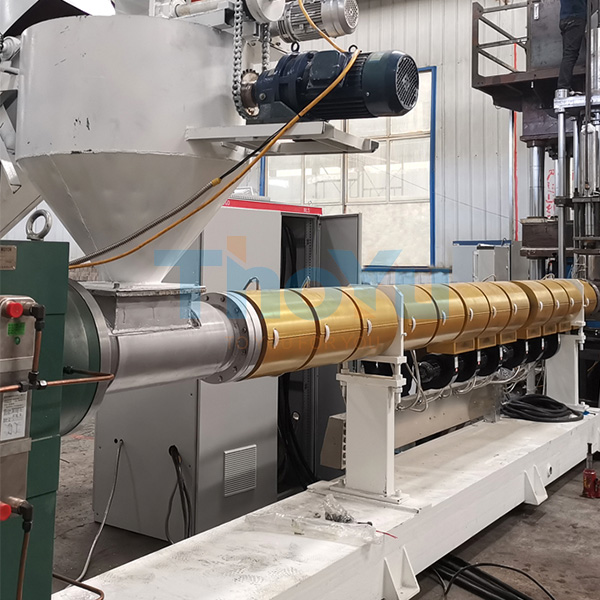
Choosing the appropriate extruder is critical for efficient waste plastic pallet production. This article provides a detailed analysis of how screw design aligns with various waste material properties—ranging from PE films to mixed edge trimmings. Each raw material demands specific shearing forces, precise temperature control, and thorough mixing capabilities. Incorrect machine selection can lead to material degradation, clogging, and increased energy consumption. Drawing on years of engineering experience from Zhengzhou Tuoyu Electromechanical, we offer a practical selection framework and maintenance tips to help you assess compatibility before purchase, thereby minimizing trial-and-error costs and enhancing production efficiency and environmental performance.

How to Choose the Right Extruder for Waste Plastic Pallet Production?
Selecting the right extruder when producing waste plastic pallets is a pivotal decision impacting your production efficiency, material quality, and sustainability goals. Misaligning screw design with waste material characteristics can cause degradation, frequent downtime, and skyrocketing energy costs. This article guides you through the technical considerations of screw configuration, temperature controls, and mixing capabilities — helping you avoid costly mistakes and enabling every investment to precisely match your raw material profile.
Matching Screw Design with Waste Material Characteristics
Your waste plastics vary—PE films, bottle flakes, and mixed edge trims each demand different extrusion parameters. The screw's compression ratio, shear force, and wear resistance must align with these differences to maintain product integrity and throughput. For example:
| Waste Material Type |
Recommended Screw Compression Ratio |
Key Extruder Parameter Needs |
| PE Thin Film |
2.5 - 3.0 |
Low shear, precise temperature control to prevent degradation |
| Mixed Bottle Flakes |
3.0 - 3.5 |
Balanced shear for melting and homogenization, robust mixing |
| Edge Trimming & Mixed Scrap |
3.5 - 4.0 |
High shear and wear resistance to handle impurities |
TIP: Make sure to assess your primary raw material composition before locking in extruder specifications — this upfront precision avoids costly production setbacks later.
Why Incorrect Extruder Selection Backfires
Our decades of experience at Zhengzhou Tuoyu Mechatronics reveal common pitfalls when extruders are mismatched with scrap profiles:
- Over-shearing PE films causes molecular degradation, reducing pallet strength
- Insufficient melting capacity triggers frequent blockages and line stoppages
- Poor temperature stability leads to uneven melt, affecting pallet dimensional consistency
- High wear from abrasive contaminants shortens screw lifespan, boosting maintenance costs
These errors translate to unnecessary downtime and energy wastage, severely impacting profitability.
Scoring Your Extruder Compatibility
To aid your decision-making, adopt this simple evaluation framework: score candidate extruder models across five key fields:
- Screw Compression Ratio Appropriateness (1-5)
- Temperature Control Precision (1-5)
- Shear Force Adjustability (1-5)
- Wear Resistance and Material Quality (1-5)
- Maintenance Accessibility & Cleaning Ease (1-5)
Prioritize extruders scoring above 20 total for high probability of flawless operation — anything below warrants reconsideration or engineering consultation.
Cleaning & Maintenance: Protecting Your Investment
Efficient cleaning workflows tailored to your waste mix protect screw longevity. For instance:
- PE Films: Use low-temperature purge compounds weekly to avoid sticking residues
- Mixed Scraps: Schedule abrasion inspections and replace wear parts proactively
- Edge Trims: Employ hydraulic or mechanical screw removal for thorough cleaning
Incorporating smart temperature controls and automated alarms reduces operator error during cleaning cycles, cutting downtime by up to 15% based on industry benchmarks.
Avoid wasting production capacity and resources due to poor extruder selection. Equip your waste plastic pallet lines with machines tailored to your unique material challenges – let every investment count.
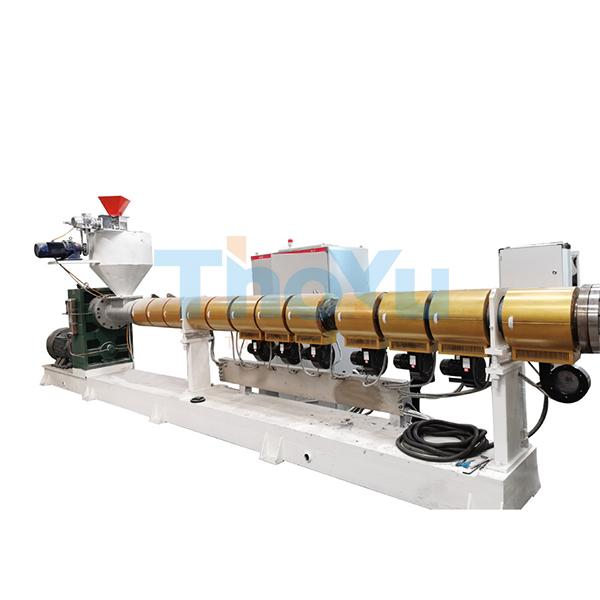
Additional Intelligent System Considerations
Integrating smart temperature control systems enhances the extrusion process, minimizing thermal degradation risks. Features such as zone-specific heating, real-time melt pressure sensors, and adaptive screw speed control optimize the extrusion environment dynamically to your feedstock behavior.
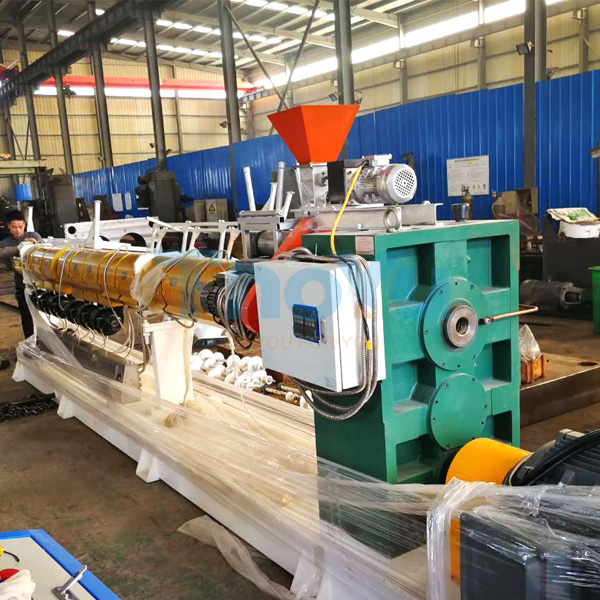
Key Technical Performance Data to Monitor
Track these metrics for a proactive extrusion strategy:
- Screw Life Expectancy: Typically ranges 18-36 months, depending on wear resistance and feedstock abrasiveness
- Energy Consumption: Efficient extruders reduce energy by 12-20% over outdated models
- Downtime Frequency: Aim for less than 2% production loss due to extruder malfunctions