Efficient Conversion of Waste Plastics into Pallet Raw Materials via Single-Screw Extrusion Process
02 03,2026
Tutorial Guide
This article provides a detailed technical overview of transforming waste plastics into high-quality pallet raw materials using single-screw extruders from Zhengzhou Tuoyu Electromechanical Equipment Co., Ltd. It covers the complete workflow including sorting, cleaning, drying, and extrusion molding. Key factors such as temperature control, screw design, and feed stability are analyzed for their impact on product quality. The article also addresses common process challenges like agglomeration, bubbles, and color inconsistencies with troubleshooting guidance to help pallet manufacturers optimize parameters, enhance output, and ensure material uniformity. Additionally, the advantages of intelligent control systems and modular equipment design are highlighted, supporting the development of efficient and sustainable plastic recycling production lines.

Efficient Conversion of Waste Plastics into Pallet Raw Materials: A Complete Guide to Single-Screw Extrusion Process
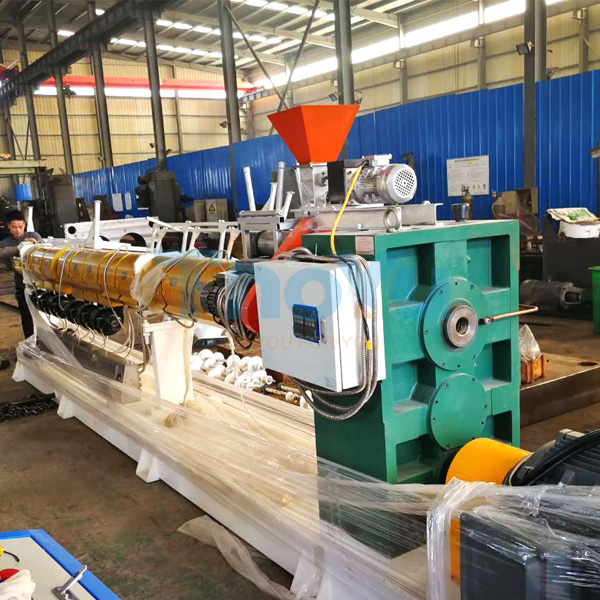
The recycling of waste plastics into high-quality pallet raw materials has become a cornerstone of sustainable manufacturing. Utilizing advanced single-screw extrusion technology, companies like Zhengzhou Tuoyu Mechanical Equipment Co., Ltd. have revolutionized the plastic processing industry by delivering efficient, reliable extrusion solutions tailored to pallet production needs.
Waste Plastic Pre-Treatment: The Foundation of Quality
The journey begins with rigorous pre-treatment, which encompasses sorting, washing, and drying the waste plastics to ensure contamination-free feedstock. Proper sorting separates incompatible polymers and removes foreign materials, reducing downtime and product defects downstream. Washing eliminates residual dirt, oils, and adhesives, while controlled drying reduces moisture content below 0.1%, pivotal to achieving consistent extrusion quality.
Single-Screw Extrusion Technology: Core Components and Parameters
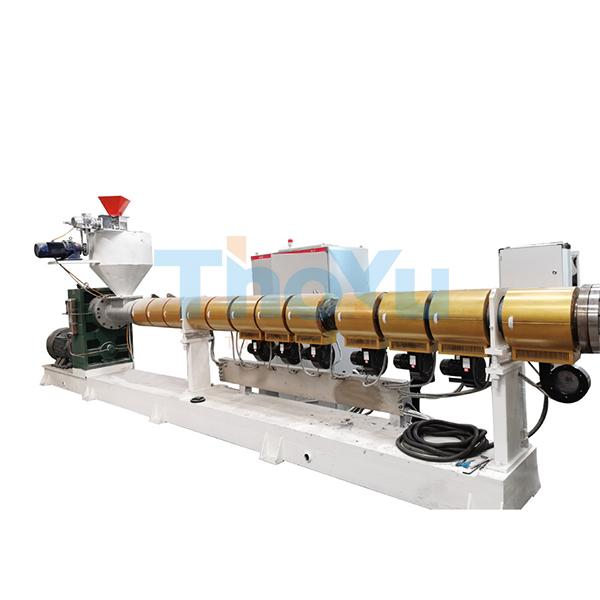
At the heart of plastic recycling lines lies the single-screw extruder, whose design and operational parameters dictate the final pellet quality for pallets. Key elements include:
- Temperature Control System: Advanced zoned heating with precision thermostats keeps the melt temperature tightly within 180-220°C, preventing degradation or incomplete melting.
- Screw Design: A modular screw profile incorporating feed, compression, and metering zones optimizes melting, homogenization, and degassing. Hardened alloy steel screw barrels ensure durability against abrasive recycled materials.
- Feed Stability: Servo-driven feeders maintain a steady flow rate between 50-200 kg/hour, critical for uniform pellet size and density.
Intelligent Control and Modular Equipment Architecture
Modern single-screw extrusion systems integrate intelligent control platforms featuring PLC automation and real-time monitoring. Operators benefit from adaptive screw speed adjustment, temperature profiling, and fault alerts, which lower scrap rates by up to 15%. Modular machine architecture simplifies maintenance, allowing rapid replacement of components without extensive downtime.
Troubleshooting Common Process Issues
Despite optimized design, extrusion may encounter recurring issues such as pellet clumping, gas bubbles, or color inconsistencies. Typical causes and remedies include:
| Issue |
Common Cause |
Recommended Solution |
| Pellet Clumping |
Excess moisture or feeding instability |
Enhance drying step; calibrate servo feeder speed |
| Gas Bubbles in Pellets |
Poor degassing or contamination |
Optimize screw de-gassing section; improve feedstock cleanliness |
| Color Variation |
Inconsistent raw material blend or temperature fluctuation |
Consistent sorting; stabilize extrusion temperature |
Case Insights: Increasing Yield and Consistency
A leading pallet producer reported a 20% increase in output consistency after applying optimized screw profiles and incorporating servo feeding technology on Tuoyu’s extrusion lines. By strict moisture control and intelligent temperature regulation, the scrap rate dropped below 5%, while maintaining pellet density between 0.95-1.05 g/cm³—ideal for durable pallet molding.
Frequently Asked Questions
-
What types of waste plastics are most suitable for single-screw extrusion into pallet raw materials?
-
Polyethylene (PE) and polypropylene (PP) are optimal due to their thermal stability and mechanical properties. Proper segregation enhances process efficiency.
-
How important is moisture content in the feedstock?
-
Extremely important; moisture above 0.1% can cause bubbles and degrade pellet quality. Drying systems such as rotary drum dryers are recommended.
-
Can the extrusion parameters be customized for different pallet specifications?
-
Yes, modular screw design and intelligent control systems allow parameter adjustment to meet various density and strength requirements.