Vertical Glue Mixer Troubleshooting Guide: Motor Overheating, Uneven Mixing & Feed Jams

18 02,2026
ThoYu
Technical knowledge
This guide examines the most frequent operating issues seen in vertical drum-type glue mixers used in woodworking—especially motor overheating, uneven mixing, and intermittent automatic feeding jams. It presents a practical, step-by-step diagnostic logic to help maintenance teams quickly isolate root causes, from excessive load and viscosity changes to bearing wear, insufficient lubrication, and electrical connection faults. The article also outlines a preventive maintenance routine aligned with standardized shop-floor practices, including lubrication intervals, bearing condition checks, and electrical safety inspections. To support long-term reliability, it provides a recommended maintenance tool list and a simple record template that helps build a repeatable, data-driven equipment care system. Drawing on product design characteristics and ISO 9001-oriented quality thinking, the guide highlights how Zhengzhou Tuoyu Electromechanical Equipment Co., Ltd. vertical cylindrical glue mixers can be kept running steadily with correct operation and disciplined upkeep—encouraging readers to standardize inspections, reduce unplanned downtime, and extend service life.
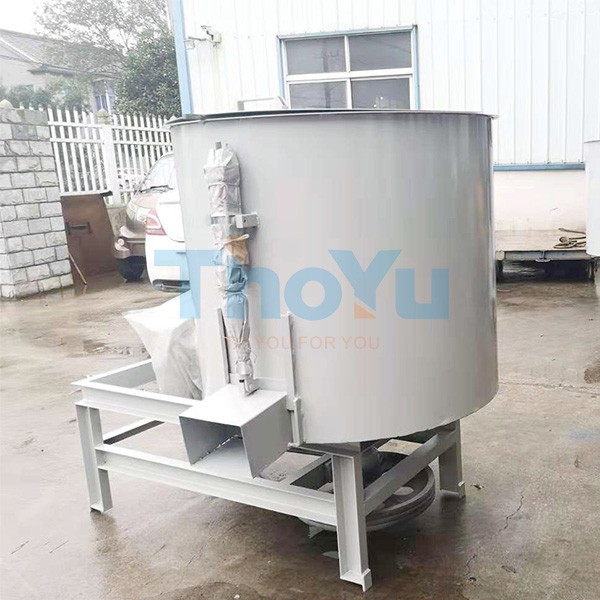
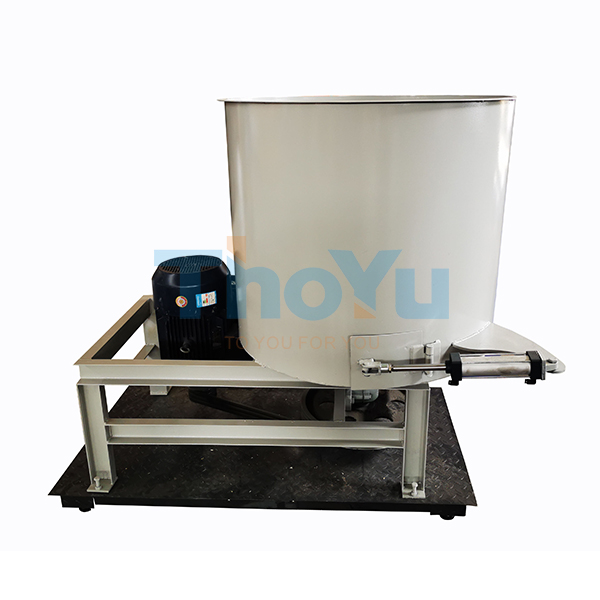
Vertical cylindrical glue mixer overview showing mixing tank, motor drive, and discharge layout for woodworking adhesive preparation

Vertical Glue Mixer Troubleshooting Guide: Fast Diagnosis for Motor Overheating & Uneven Mixing

In woodworking plants, a vertical cylindrical glue mixing machine is rarely “just a mixer.” It is a production gatekeeper. When the motor overheats, the batch can be ruined; when mixing turns uneven, bonding quality becomes unpredictable; when auto-feeding stalls, operators lose rhythm and lines stop. This guide presents a practical, step-by-step diagnostic logic used by maintenance teams to locate root causes quickly—then fix them with minimal downtime—while aligning with disciplined inspection routines often seen in ISO9001-style management systems.

Before You Touch Anything: A Safe, Repeatable Diagnostic Workflow

A reliable troubleshooting habit reduces repeated faults. Most glue mixer failures are not “mysterious”—they are the result of heat, friction, contamination, or unstable power. The key is to diagnose in the same order every time:
Quick Diagnostic Sequence (10–25 minutes on-site)

  1. Lockout & visual check: leaks, loose bolts, abnormal residue, burnt smell, belt/shaft alignment clues.
  2. Confirm “what changed”: glue type/viscosity, batch size, ambient temperature, new operator, new power line.
  3. Check mechanical resistance: rotate by hand (where safe), inspect bearings, couplings, impeller clearance.
  4. Check electrical health: supply voltage stability, terminal tightness, insulation condition, inverter parameters (if used).
  5. Verify process settings: mixing time, speed, feeding rate, anti-foaming/temperature control (if equipped).
Vertical cylindrical glue mixer overview showing mixing tank, motor drive, and discharge layout for woodworking adhesive preparation

Fault #1: Motor Overheating (Most Common, Most Preventable)

Motor overheating is typically a symptom, not a diagnosis. In woodworking glue applications, it often comes from overload (thick glue, wrong impeller, excessive batch), poor heat dissipation (dust and blocked vents), or bearing drag. A motor that runs “hot but stable” is very different from a motor that heats rapidly and trips protection.

Typical Symptoms

  • Thermal relay or inverter trips after 10–40 minutes of running
  • Motor casing temperature rising beyond normal touch tolerance
  • Increased current draw and audible “strain” during mixing

Reference Data (Field-Useful)

  • Motor surface temperature: commonly 55–75°C in steady duty; sustained >85°C is a red flag
  • Voltage fluctuation: if supply varies more than ±10%, overheating risk increases
  • Bearing noise/vibration: small increases often precede temperature rise by days

Fast Root-Cause Checklist (Fix from easiest to hardest)

  1. Cooling & dust: clean motor fan cover and ventilation path; woodworking dust can reduce cooling efficiency dramatically.
  2. Batch overload: confirm glue viscosity and batch volume; thickened adhesive can push torque above design load.
  3. Mechanical drag: check shaft straightness, couplings, and impeller rubbing marks; verify impeller clearance.
  4. Bearings: inspect for rough rotation, grease leakage, or discoloration; replace if abnormal heat is localized.
  5. Electrical issues: retighten terminals, check contactor condition, verify inverter parameters (acceleration too aggressive can spike current).

A disciplined maintenance team typically sees 30–60% fewer overheating incidents after implementing weekly dust cleaning plus a lubrication schedule matched to operating hours.

Fault #2: Uneven Mixing (Bonding Quality Complaints Start Here)

Uneven mixing is often misattributed to “weak motor,” but the real culprits are usually vortex patterns, dead zones in the tank, incorrect speed-to-viscosity matching, or a worn impeller that no longer generates effective circulation. In woodworking, uneven dispersion can show up as inconsistent spreadability, unstable viscosity, or variable open time.

Practical “3-Point Sampling” Test (No Lab Needed)

To confirm whether mixing is truly uneven, sample at top / middle / bottom after a stable mixing time. Compare visual consistency and flow. If the bottom is thicker or contains settled solids, circulation is insufficient.

Observed Issue Most Likely Cause Fast Correction
Top foams, bottom thickens Vortex + dead zone Adjust speed, verify impeller depth, consider baffle/anti-vortex setup
Visible streaks or “swirls” after mixing Insufficient time or wrong RPM Extend mixing time by 10–20%, tune RPM to viscosity
Solids settle quickly after stop Impeller wear or shear too low Inspect impeller edges; replace worn parts; check shaft/bearing play
Troubleshooting flowchart for vertical glue mixing machine faults including overheating, uneven mixing, and feeding blockage

Fault #3: Automatic Feeding Jams or “Stutters”

Auto-feeding is designed to stabilize batching and reduce operator workload, but glue systems are sensitive to contamination and viscosity drift. Jams often come from hardened residue, inconsistent particle size (if additives are used), or misaligned feeding components.

Rapid Checks (Operator-Level)

  • Confirm no hardened adhesive at the inlet or valve seat
  • Verify feed sensor cleanliness and stable signal
  • Check hopper bridging (material arching) and break it safely
  • Inspect hoses for kinks and fittings for micro-leaks

Root Causes Often Missed

  • Viscosity drift: temperature and open-air exposure can thicken glue within hours
  • Improper cleaning cycle: residue builds at “dead corners” and gradually narrows flow
  • Synchronization issues: feed rate not matched to mixing speed, causing surges

Daily & Weekly Maintenance That Actually Prevents Failures

Many plants “do maintenance,” but without measurable standards. Effective upkeep is predictable, recorded, and tied to operating hours. For vertical glue mixers used in woodworking, a simple schedule prevents most emergency shutdowns:

Item Recommended Frequency What to Record
Motor & fan dust cleaning Weekly (or every 40–60 run-hours) Before/after condition, abnormal smell/noise
Bearing lubrication Every 250–500 run-hours (depends on load & dust) Grease type, amount, bearing temp trend
Electrical cabinet inspection Monthly Terminal tightness, discoloration, inverter alarms
Impeller & shaft play check Monthly / after any abnormal vibration Clearance, wear marks, runout indication

Plants that keep temperature and vibration trend records typically catch bearing failure 1–3 weeks earlier than those relying on “feel,” reducing surprise stoppages.
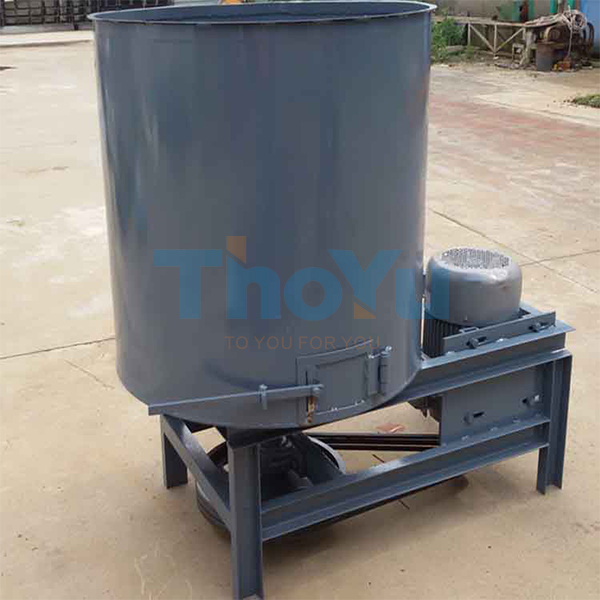
Maintenance toolkit for vertical glue mixer including grease gun, infrared thermometer, multimeter, and inspection checklist for woodworking plants

A Simple Toolkit + A Record Template That Makes Maintenance “Stick”

Maintenance becomes reliable when the tools are standardized and the record is easy. For glue mixing equipment, the most useful items are not exotic—they are consistent.

Recommended Maintenance Tools

  • Infrared thermometer (quick motor/bearing temp checks)
  • Clamp meter (current trend under consistent load)
  • Dial indicator (shaft runout checks when needed)
  • Grease gun + correct grease grade label system
  • Multimeter + insulated screwdriver set
  • Cleaning kit: brushes, vacuum, lint-free wipes

Record Template (Copy into Your CMMS or Spreadsheet)

Date/Shift: ____  |  Machine ID: ____  |  Run-hours: ____
Motor temp (°C): ____  |  Bearing temp (°C): ____  |  Current (A): ____
Noise/Vibration: Normal / Slight / Abnormal  |  Glue viscosity note: ____
Actions taken: Cleaning / Lubrication / Tightened terminals / Parts replaced / Other ____
Next due date: ____  |  Technician: ____

Why This Matters: Stable Mixing Protects Output, Not Just Machines

In woodworking production, glue performance is tied to reputation. A vertical cylindrical glue mixer that runs consistently helps keep bonding strength stable, reduces rework, and makes operator training easier. That is also why many buyers look for manufacturers who build equipment with clear maintenance logic, robust structures, and quality management discipline.

Zhengzhou Tuoyu Electromechanical Equipment Co., Ltd. designs its vertical glue mixers for real workshop conditions: dust, long duty cycles, and frequent batching. When the design is maintenance-friendly—accessible lubrication points, stable drive layout, and clear electrical configuration—the “best practice” in this guide becomes easier to execute on the shop floor.

Need a More Reliable Vertical Cylindrical Glue Mixer for Woodworking?

Send your glue type, batch size, and required mixing time. A specialist can recommend the right configuration and provide a maintenance checklist tailored to your line—so overheating, uneven mixing, and feeding jams don’t return next month.

Get a Vertical Glue Mixer Troubleshooting & Maintenance Plan

Typical response time: within 24 hours on business days. Drawings and process notes are welcome.

Name *
Email *
Message*

Recommended Products

Popular articles
Recommended Reading

Related Reading

Contact us
Contact us
https://shmuker.oss-cn-hangzhou.aliyuncs.com/tmp/temporary/60ec5bd7f8d5a86c84ef79f2/60ec5bdcf8d5a86c84ef7a9a/thumb-prev.png