
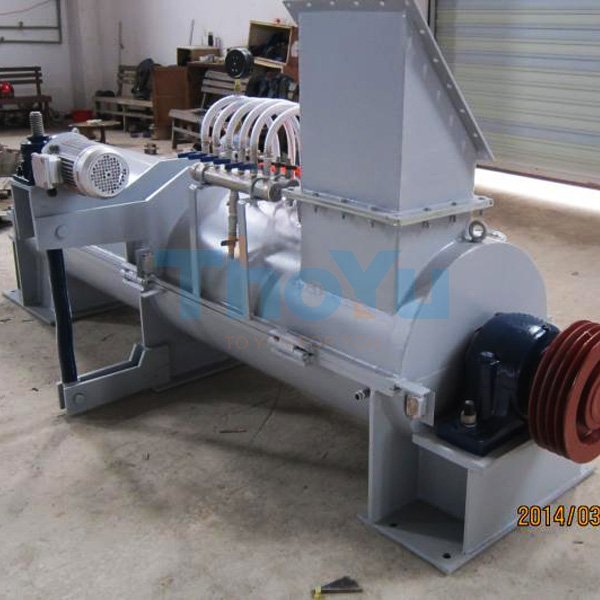
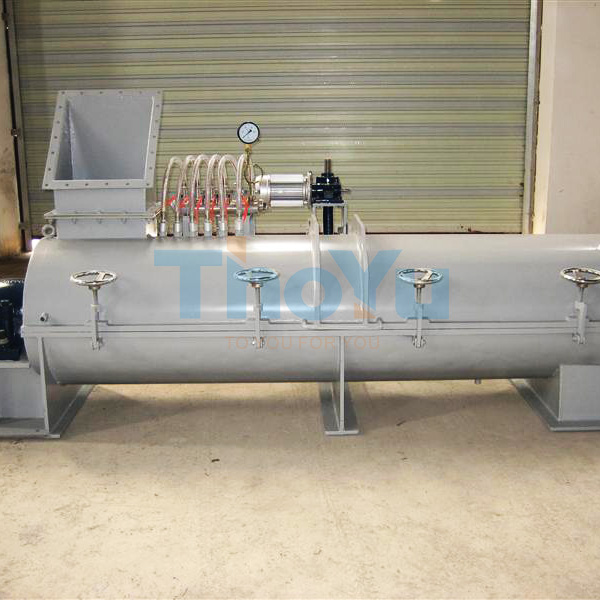
As a woodworking professional, you understand that equipment reliability directly impacts your bottom line. A single hour of unplanned downtime can cost your operation between $500 to $2,000 depending on production volume, according to industry research. Vertical glue mixers, critical in furniture manufacturing and panel production, often develop predictable issues that, when addressed promptly, can significantly extend equipment life and maintain consistent product quality.
Did you know? Regular maintenance can reduce mixer breakdowns by up to 65% and extend equipment lifespan by 3-5 years, according to Woodworking Machinery Technology Association studies.
Most mixer issues fall into three primary categories that affect performance and safety. Recognizing these early warning signs can prevent minor problems from escalating into major repairs.
Excessive motor temperature is often the first indicator of underlying problems. If your mixer's motor feels hot to the touch (above 40°C/104°F during operation) or triggers thermal overload protection, consider these potential causes:
Poor glue homogeneity directly affects bonding quality and can lead to product defects. Signs include visible streaks in mixed glue, inconsistent viscosity, or adhesive failure in finished products. Common causes include:
Modern glue mixers rely on precise feeding mechanisms that can develop issues over time. Symptoms include material jams, incomplete feeding, or inaccurate portioning:
When troubleshooting your vertical glue mixer, always follow this systematic approach to ensure safety and accuracy:
This methodical approach reduces diagnostic time by an average of 40%, according to maintenance professionals surveyed in the woodworking industry.
Proactive maintenance is far more cost-effective than reactive repairs. Establishing a regular点检 [diǎn jiǎn - inspection] schedule can prevent 70-80% of common mixer failures, according to manufacturing reliability studies.
| Maintenance Task | Frequency | Key Inspection Points |
|---|---|---|
| Bearing lubrication | Every 250 operating hours | Grease condition, temperature, noise levels |
| Blade inspection | Monthly | Wear patterns, tightness, alignment |
| Electrical connections | Quarterly | Terminal tightness, insulation condition |
| Sensor calibration | Bi-annually | Accuracy verification, response time |
A mid-sized pallet manufacturer in the Midwest was experiencing an average of 12 hours of mixer downtime monthly, leading to production bottlenecks and missed deadlines. After implementing a structured maintenance program based on our recommendations, they achieved impressive results within six months:
40%
Reduction in unplanned downtime
28%
Lower maintenance costs
15%
Increase in overall equipment effectiveness
The plant manager reported that standardized maintenance procedures were key to their success. "We used to wait for breakdowns before addressing issues," he noted. "Now our operators perform daily checks and our maintenance team addresses potential problems before they impact production."
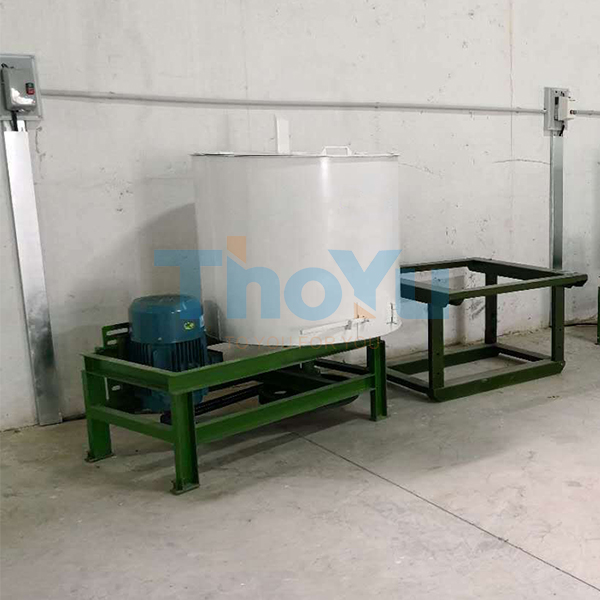
While proper maintenance is essential, the inherent quality of your equipment plays a significant role in long-term reliability. Zhengzhou Tuoyu mechanical mixers are engineered with robust construction and high-quality components that provide an ideal foundation for preventive maintenance programs. Their heavy-duty steel frames, precision-machined components, and advanced control systems reduce the frequency and severity of common issues compared to lesser-quality alternatives.
Download our comprehensive Vertical Glue Mixer Maintenance Checklist to implement a professional-grade点检 system in your facility.
Download Maintenance ChecklistGet expert guidance on implementing a preventive maintenance schedule that reduces downtime and extends equipment life.
Remember that every hour invested in preventive maintenance saves an average of 3-4 hours in unplanned downtime and repair costs. By combining a structured maintenance approach with quality equipment, you can achieve consistent performance, reduce operational costs, and maintain product quality standards that set your business apart in the competitive woodworking industry.