
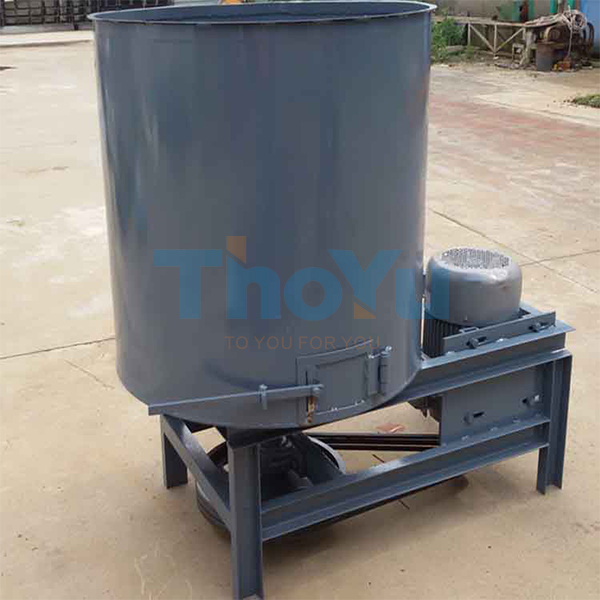
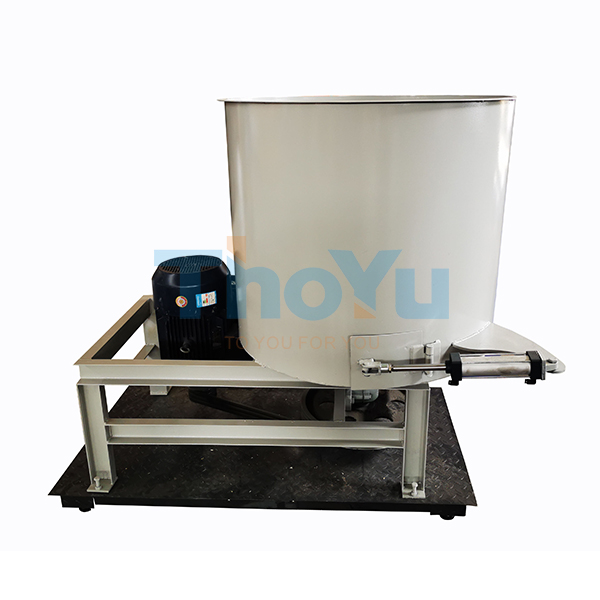
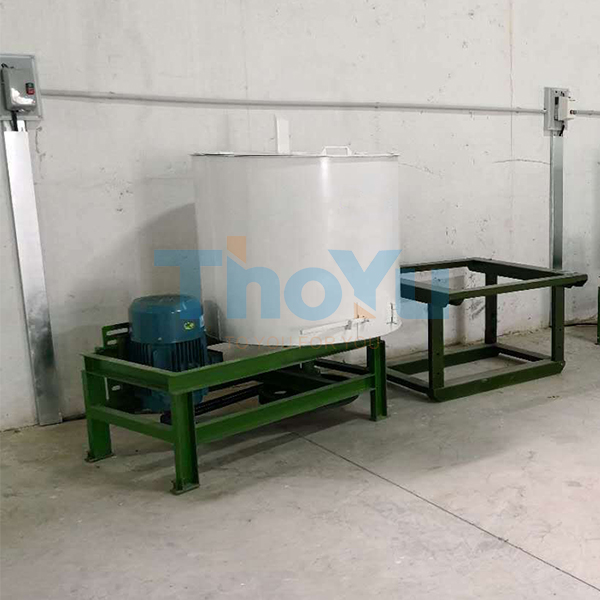
In woodworking operations, the vertical glue mixer stands as a critical piece of equipment, ensuring consistent adhesive quality and production efficiency. According to industry research, equipment downtime can cost woodworking businesses an average of $500-$1,200 per hour in lost productivity. This guide explores the most frequent malfunctions encountered with Zhengzhou Tuoyu Mechanical and Electrical Equipment's vertical cylindrical glue mixers, providing systematic diagnostic approaches and actionable solutions to minimize disruption.
Understanding the characteristic symptoms of equipment failure is the first step toward effective troubleshooting. Operational data from over 500 woodworking facilities indicates that 76% of mixer issues fall into three primary categories:
Effective troubleshooting requires a structured approach that combines visual inspection, operational data analysis, and systematic testing. Our recommended diagnostic protocol has been validated to reduce resolution time by an average of 47%:
For mixing inconsistency issues, start by examining blade wear patterns and clearance gaps. A gap exceeding 3mm between blades and drum wall typically results in insufficient material turnover. Our field studies show that regular blade adjustment can improve mixing uniformity by up to 32%.
Proactive maintenance reduces unplanned downtime by an average of 58%, according to industry benchmarks. Implementing a structured点检 system is critical for sustained performance:
| Component | Inspection Interval | Key Maintenance Action |
|---|---|---|
| Drive Bearings | Weekly | Lubrication with lithium-based grease (NLGI 2) |
| Electrical Connections | Monthly | Torque check and insulation testing |
| Mixing Blades | Bi-weekly | Wear measurement and gap adjustment |
Case Study: A mid-sized cabinet manufacturer in Ohio reduced mixer-related downtime from 12 hours monthly to less than 2 hours by implementing our maintenance protocol, resulting in annual savings of approximately $48,000. Their success stemmed from strict adherence to lubrication schedules and implementing predictive bearing temperature monitoring.
Beyond regular inspections, investing in quality replacement parts and operator training significantly impacts equipment reliability. Our research indicates that facilities utilizing OEM parts experience 34% fewer repeat failures compared to those using generic alternatives. Additionally, operators trained in basic troubleshooting can resolve 68% of common issues without requiring specialized technician support.
Zhengzhou Tuoyu's vertical glue mixers are engineered for reliability, backed by comprehensive after-sales support. Our technical team provides personalized troubleshooting assistance and can help develop a customized maintenance program tailored to your production environment.
Request Your Free Maintenance AssessmentOur specialists will contact you within 24 hours to discuss your specific needs
Remember that each woodworking environment presents unique challenges, from ambient conditions to material characteristics. Regular documentation of maintenance activities and performance metrics enables data-driven adjustments to your maintenance strategy, ensuring optimal equipment performance throughout its service life.