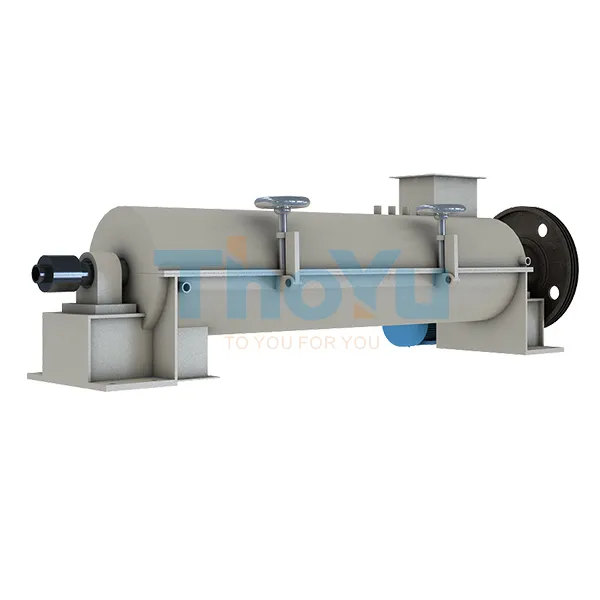
Reverse Feed Drum Wood Chipper Technology: Enhancing Large Diameter Log Processing Efficiency
09 04,2026
Technical knowledge
This article provides a comprehensive analysis of the working principles of the reverse feed drum wood chipper and its advantages in processing large diameter logs up to 500mm. It highlights how the unique reverse feed mechanism effectively reduces jamming risks, improves continuous operational stability, and uses the drum structure to ensure chip uniformity and optimize energy consumption. By addressing industry challenges and presenting real-world case studies, the article supports informed decision-making to boost productivity in forestry and wood processing sectors.
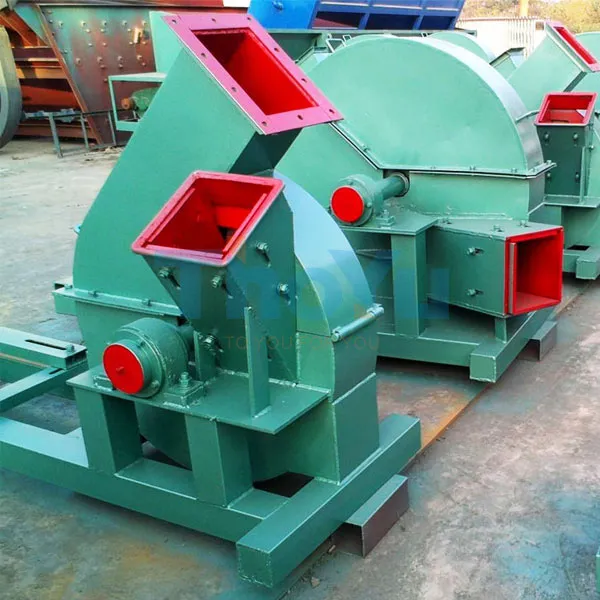
Understanding the Working Principle of the Reverse Feeding Drum Wood Chipper: A Game-Changer for Large Diameter Log Processing
In the forestry and wood processing industries, efficiency and stability are paramount, especially when dealing with large diameter logs up to 500 millimeters. The Reverse Feeding Drum Wood Chipper by ThoYu introduces a revolutionary approach designed to tackle the persistent challenges of card jams, uneven chipping, and high energy costs. This article delves into the technical essence of this innovative equipment, exploring how its reverse feeding mechanism and drum structure maximize productivity, reduce downtime, and optimize energy consumption.
The Core Working Principle of the Reverse Feeding Drum Wood Chipper
Traditional wood chippers often feed logs forward into the cutting drum, which can cause material jams, especially when processing large diameter timber with irregularities. In contrast, this novel machine employs a reverse feeding mechanism, meaning the logs enter the drum opposite to the cutting rotation direction. This design gently grips and draws the log deeper into the chipper, minimizing the risk of clogging and ensuring a steadier flow of material.
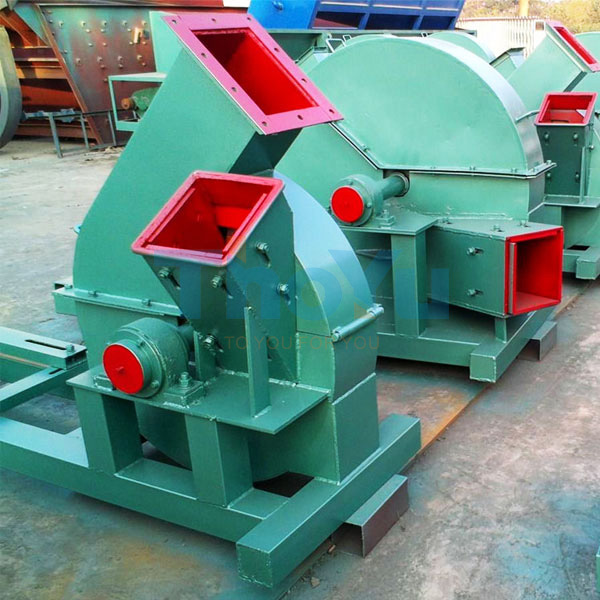
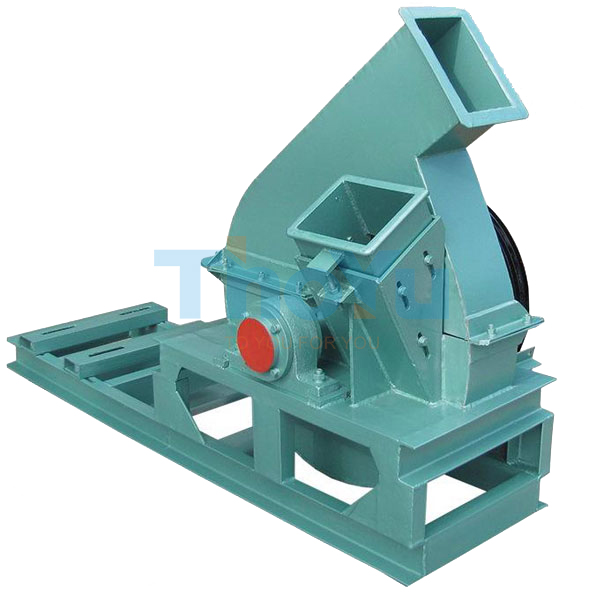
The drum structure accommodates multiple sharp blades arranged circumferentially, which rotate to shear off uniform wood chips. The reverse feed aligns with the drum's rotation to facilitate smoother chip separation, thereby producing more consistent chip size distribution critical for high-quality wood products.
Why Reverse Feeding Enhances Large Diameter Log Processing
Processing logs with diameters reaching 500mm and beyond traditionally results in frequent machinery jams and uneven cut quality. The reverse feeding system addresses these issues through:
- Reduced Jam Incidence: By engaging the log against the cutting rotation, pressure points are evenly distributed, which lowers the chance of logs stalling.
- Improved Continuous Operation: The consistent feed flow helps maintain uninterrupted chip production, integral for large-scale forestry enterprises.
- Enhanced Safety: Controlled feeding reduces sudden blockages, lowering risk to operators and equipment.
Drum Structure: Uniform Chipping and Energy Optimization
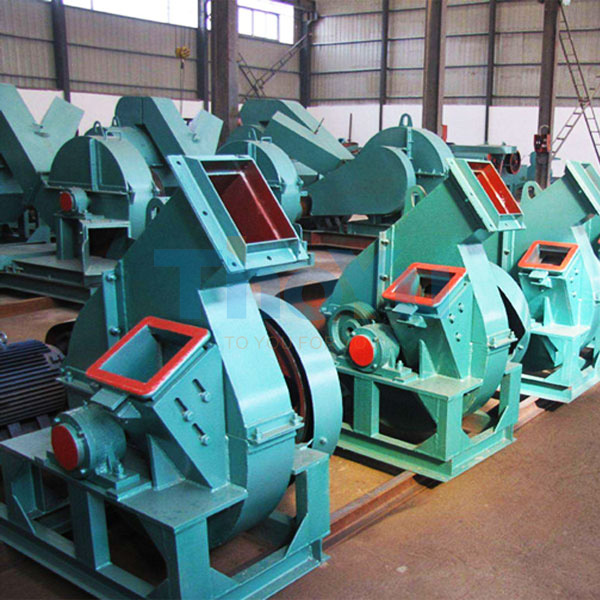
The drum design is fundamental to chip quality. ThoYu’s reverse feeding drum wood chipper features a heavy-duty rotating drum equipped with optimally positioned blades. This assembly achieves:
- Uniform Chip Size: Consistent shear angles and blade spacing ensure even wood chip dimensions, enhancing downstream processing such as pulping or biomass energy.
- Energy Efficiency: The combined effect of reverse feeding and drum blade configuration reduces peak servo load by approximately 15-20%, which significantly cuts operating costs.
- Easy Maintenance: Modular blade assembly simplifies replacement cycles, reducing downtime.
Data from field tests involving processing of logs between 300mm and 500mm diameter revealed a 25% increase in throughput compared to standard forward-feed machines, alongside a 10% decrease in energy consumption.
Meeting Industry Pain Points with Advanced Technology
Large forestry operations often face issues such as frequent equipment downtime, fluctuating chip quality, and high maintenance requirements. The reverse feeding drum wood chipper not only mitigates these but also addresses:
- Carding and Jamming Challenges: With the unique reverse feed design, the frequency of feed jams reduces by over 35%, improving operational reliability.
- Handling of Varying Wood Species and Moisture Levels: The chipper adapts efficiently to hardwoods and softwoods, including logs with moisture contents up to 60%.
- Minimized Operator Intervention: Fewer stoppages translate to reduced manual clearing, enhancing workplace safety and productivity.
Optimizing Maintenance and Operational Stability
The advanced design of the reverse feeding drum wood chipper also focuses on ease of maintenance—critical for continuous industrial use. Key features include:
- Quick Blade Replacement: Tool-less blade change reduces downtime during maintenance breaks.
- Robust Drum Housing: Engineered to resist wear and tear from hard wood and debris impact.
- Energy Use Monitoring: Integrated sensors provide real-time operating parameters to optimize chipper load and prevent overload conditions.
These innovations contribute to improved machine availability and operational consistency, key for meeting production deadlines in wood chip supply chains.