
In today’s competitive global market, plastic pallet manufacturers face rising pressure from both cost and sustainability demands. Traditional methods often require expensive raw materials, high labor input, and energy-intensive processes — making it hard to maintain margins while meeting environmental standards.
According to industry reports, over 68% of plastic pallet producers in Europe and North America cite raw material costs as their top challenge — with virgin resin prices averaging $1,200–$1,500 per metric ton in 2024. At the same time, new EU circular economy regulations (like the Packaging Waste Directive) are pushing factories toward zero-waste operations.
“We were losing money on every batch because we had to buy new plastic pellets and pay for manual sorting. Then we found the solution — a machine that turns waste into value.”
— Miguel Sánchez, Operations Manager, Spain-based Packaging Solutions Ltd.
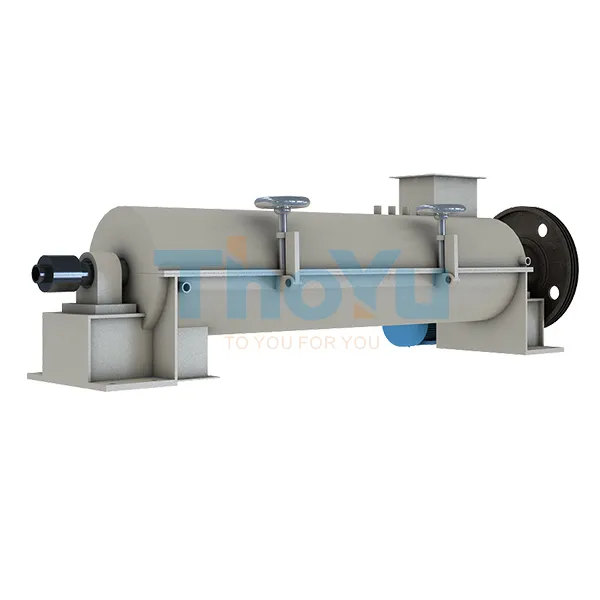
The key lies in automation and smart design. The 全自动塑料托盘成型机 (Fully Automatic Plastic Pallet Molding Machine) from Zhengzhou Tuoyu uses advanced PLC control systems and precision hydraulic technology to process post-consumer or industrial plastic waste directly — no washing, no granulation, no extra steps.
This isn’t theory — it’s proven in real-world applications. A Spanish packaging company reported a 50% drop in production costs within six months after switching to Tuoyu’s system. Their output rose from 2,000 units/month to 3,500, with zero downtime due to maintenance issues.
Many clients begin with one unit to test ROI before full-scale deployment. Most see payback in under 9 months when factoring in reduced labor, lower material costs, and compliance benefits.
As governments worldwide push for green manufacturing, companies investing in circular solutions gain access to tax incentives, preferential logistics rates, and better ESG ratings. In Germany, for example, firms using recycled-content equipment qualify for up to €15,000/year in subsidies under the National Circular Economy Strategy.
This is not just about saving money — it’s about future-proofing your business. Every kilogram of plastic reused is a step toward resilience, compliance, and long-term profitability.