
In the specialized field of pallet manufacturing using plastic extrusion, the design of the extruder screw plays a pivotal role in defining product quality and operational efficiency. This article explores the intricate relationship between screw materials, structural parameters, and plasticizing performance, shedding light on how advanced components—such as wear-resistant alloy screws combined with forced cooling systems—enhance product consistency and minimize downtime losses. Whether you are a newcomer to equipment procurement or a seasoned production manager, our insights pave the way for optimized processes, reduced energy consumption, and sustainable production outcomes.
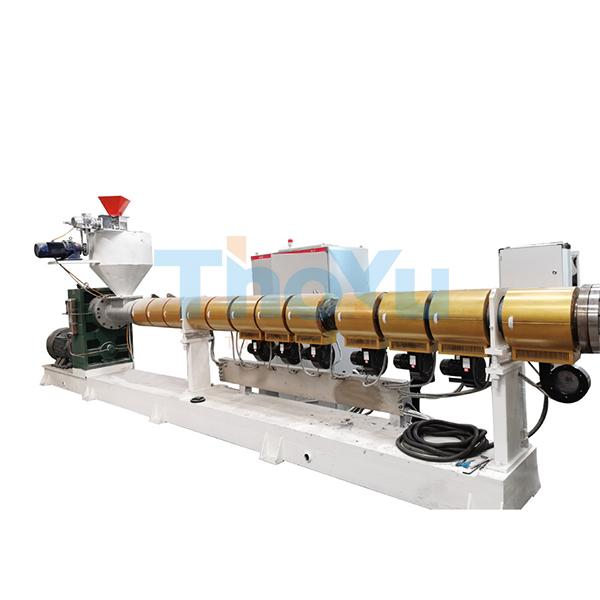
The plastication process starts with the extruder screw, whose primary roles encompass material feeding, melting, and homogenizing before the melt is forced through a die. Efficient material conveyance avoids surges or starvation, while optimal melting ensures consistent melt viscosity—critical for dimensional stability and surface finish of pallets. Slight modifications in screw geometry, such as compression ratio and flight depth, directly affect melting uniformity and output rate, impacting production throughput by up to 15%.
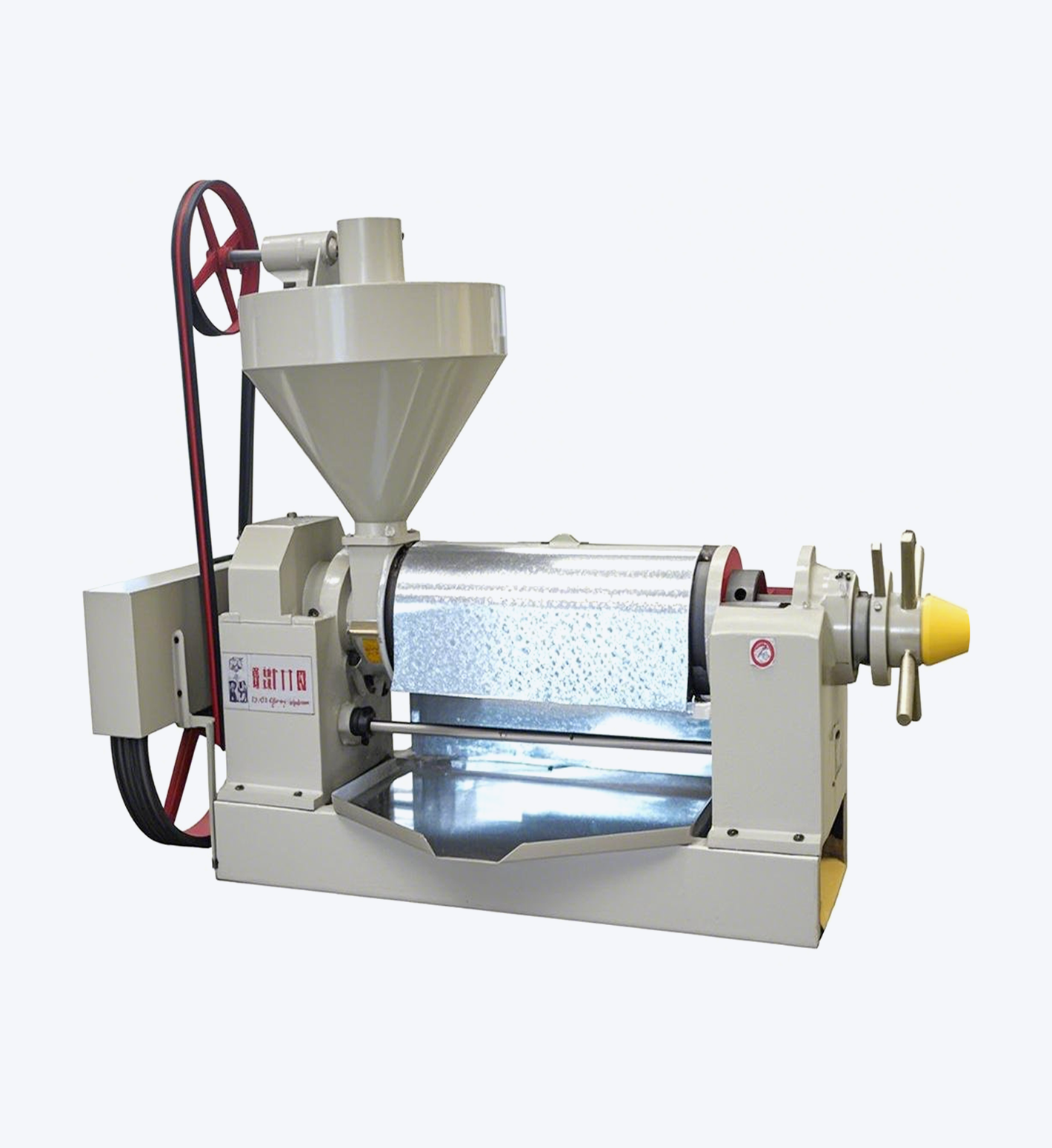
The choice of screw material is crucial for maintaining extrusion quality over time. Typically, standard steel screws exhibit faster wear, resulting in inconsistent melting and higher scrap rates. Upgrading to 38CrMoAlA nitriding steel—known for its superior hardness and wear resistance—extends screw life by 5 to 10 years under average operating conditions, drastically reducing maintenance frequency.
Structural innovations, including variable pitch and multi-zone screw configurations, enable better adaptation to different plastic materials—be it virgin pellets, film scrap, or recycled feedstock. These adjustments help achieve pallet surface smoothness and tight tolerances essential for downstream automation and stacking processes.
A leading pallet manufacturer recently replaced their standard extrusion screws with high-wear-resistant alloy screws integrated with a forced cooling system. Within six months, they reported a 30% reduction in scrap rates, attributed mainly to enhanced melt consistency and stabilized temperature profiles. Downtime due to screw replacement fell by 40%, improving net equipment availability considerably.
Each raw material type poses unique processing challenges. For example, pellets generally require moderate compression and uniform heat distribution, while recycled materials with contaminants demand robust wear resistance and optimized mixing zones to prevent defects.
Tailoring screw elements by adjusting compression ratios, pitch lengths, and barrier flight sections ensures high-quality pallets regardless of feedstock variability. Our industry experience shows that process adjustments can improve production efficiency by 10–20% when properly calibrated.
Achieving consistent pallet extrusion at high volumes necessitates precision motor control. Integrating servo drives with advanced transmission components enables tight speed regulation and rapid response to process changes. This combination not only supports continuous running but also improves energy utilization by 12%, minimizing waste and operational costs.
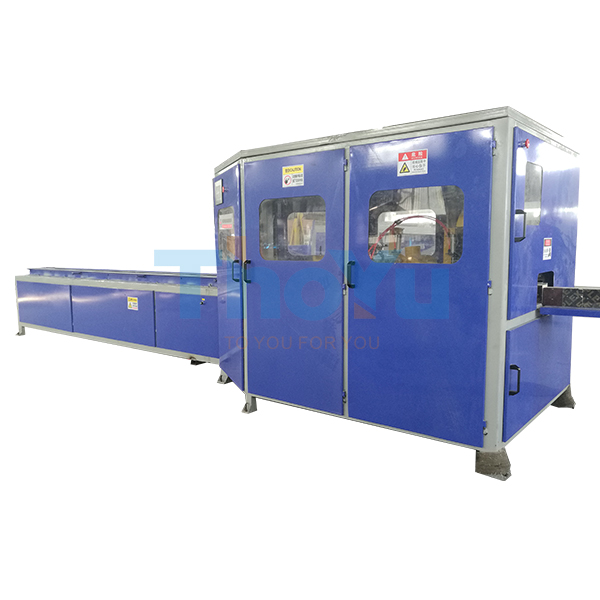
In modern extrusion facilities, flexibility is paramount. A modular screw design architecture has revolutionized quick product transitions. For example, switching from pipe extrusion to sheet extrusion now takes less than 30 minutes, significantly reducing downtime and enabling prompt market response.
This rapid changeover capability relies on interchangeable screw modules paired with intelligent temperature control systems, balancing throughput with product quality.
“After adopting the wear-resistant alloy screw and forced cooling system recommended by the industry experts, our pallet scrap rate dropped by nearly one-third within the first half-year, significantly boosting throughput and customer satisfaction.” – Production Manager, GreenPak Solutions