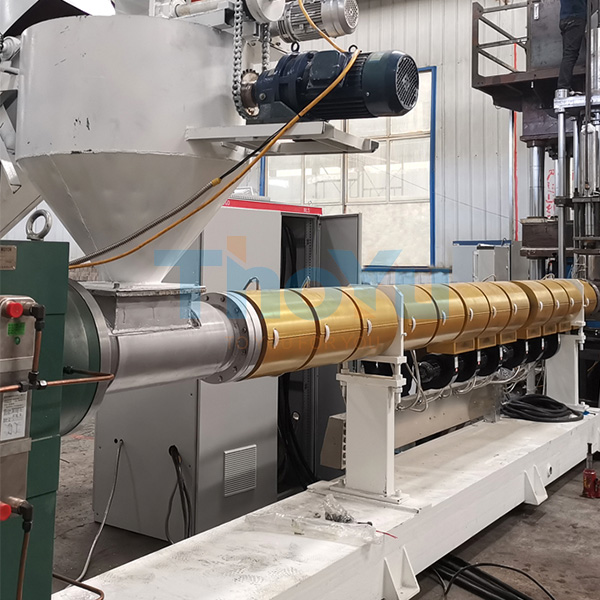

Plastic extrusion technology plays a pivotal role in producing durable, environmentally friendly pallets. The screw design within a plastic extruder critically influences production efficiency, product quality, and energy consumption. This article delves into the core design principles and cutting-edge optimization techniques that elevate pallet extrusion, focusing on screw metallurgy, precise motion systems, modular design benefits, and intelligent temperature control.
Selecting the right screw material is foundational for enhancing extrusion performance and extending service life. A widely adopted material for pallet extrusion screws is 38CrMoAlA nitrided steel, offering an excellent balance between toughness and wear resistance. The nitriding process imparts a surface hardness exceeding HV900, enabling the screw to withstand abrasive regrind materials and minimize metal contamination risks.
Typically, these screws achieve a life expectancy ranging from 5 to 10 years under continuous operation, which directly contributes to maintaining stable product quality and reducing maintenance downtime. The high hardness surface also ensures consistent melting and mixing performance, critical for producing uniform pallets that comply with stringent industrial standards.
Incorporating a servo-driven motor system coupled with high-precision transmission components significantly refines screw rotational stability and speed control. This precise servo mechanism enhances melting homogeneity, directly impacting pellet melt quality and pallet surface finish. Precise speed modulation reduces material degradation and shear stress, which lowers the defective scrap rate by up to 20%.
Additionally, advanced closed-loop feedback ensures synchronization between screw speed and downstream equipment, resulting in fewer stoppages and maintaining consistent throughput rates of up to 200 kg/h on typical pallet extrusion lines.
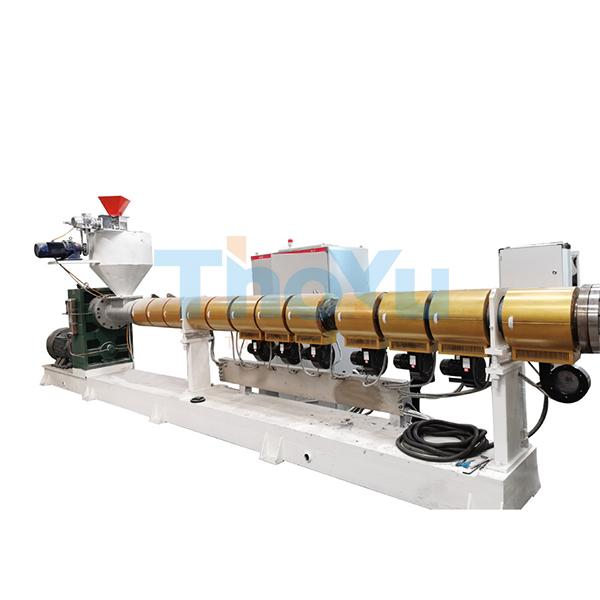
Modular screw architectures permit segmented assembly allowing rapid disassembly and reconfiguration. This innovation dramatically shortens changeover times to less than 30 minutes, a critical advantage for manufacturers producing multiple pallet variants or processing recycled blends intermittently.
The use of standardized screw segments enables flexible functional tuning to optimize for different raw materials like virgin pellets, thin film regrind, or mixed recycled flakes, balancing throughput, and melt quality without the need for full equipment replacement.
A case study from a leading pallet manufacturer highlights how their upgraded extrusion lines, featuring modular screws and servo drives, maintained steady production over 8,000 operational hours. Despite processing a complex feedstock mix with up to 30% recycled pellet addition, the system preserved melt uniformity and consistent pallet tensile strength above industry thresholds.
The upgraded system reduced downtime by 40% during material transitions and improved overall production yield by an estimated 15%, underscoring the practical benefits of advanced screw design and automation.
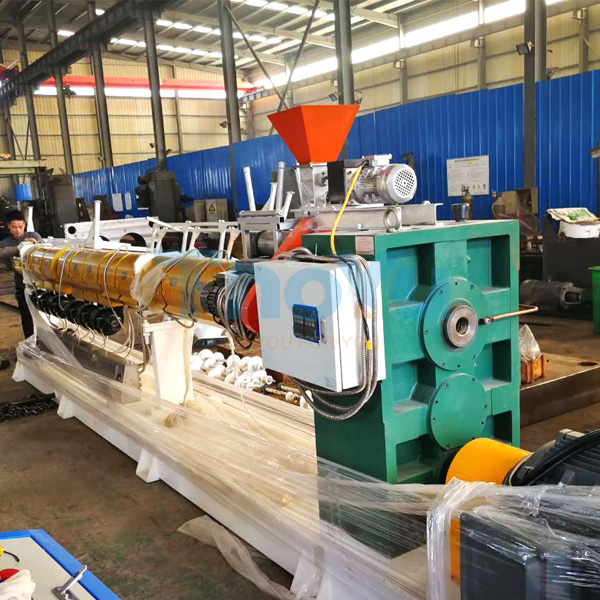
Maintaining optimal melt temperature uniformity is paramount for pallet consistency and energy efficiency. Modern extrusion setups integrate smart temperature control units that dynamically adjust barrel zones based on real-time sensor feedback, minimizing thermal fluctuations to within ±2°C.
Automated feeding systems complement temperature precision by ensuring stable material input rates, reducing surges or shortages that could destabilize the extrusion process. These technologies jointly enable continuous operation with an energy consumption reduction of up to 12% compared to conventional setups.
These refinements also support compliance with evolving environmental standards by maximizing recycled content usability without compromising mechanical properties.