For pallet manufacturers, inconsistent raw material quality and inefficient processing are daily headaches — leading to wasted labor, uneven product strength, and production delays. The solution? A rotary wood chipper that delivers precision, consistency, and scalability.
Most pallet factories rely on unprocessed logs or agricultural residues like straw and bamboo. Without proper size control, these materials result in variable chip thickness — some too thick for consistent pressing, others too fine, causing dust issues and poor bonding. That’s where a high-performance chipper becomes your first line of defense.
Real-world impact: One Chinese pallet manufacturer reported a 30% drop in raw material waste after installing a rotary chipper with adjustable screening — all while increasing hourly output from 1.2 tons to 2.5 tons per hour.
These aren’t just technical upgrades — they’re operational transformations. With a properly tuned system, every piece of wood is processed to the same standard, making it easier to maintain batch-to-batch consistency in your final pallets.
| Parameter | Typical Range |
|---|---|
| Max Input Diameter | Up to 30 cm (wood) |
| Output Particle Size | 5–25 mm (adjustable) |
| Hourly Capacity | 1.5–2.5 tons/hour |
These numbers translate directly into better yield, fewer rejects, and smoother workflow. For example, one Indian pallet producer saw their glue consumption drop by 15% after switching to standardized chips — because there was less variation in surface area and moisture content.
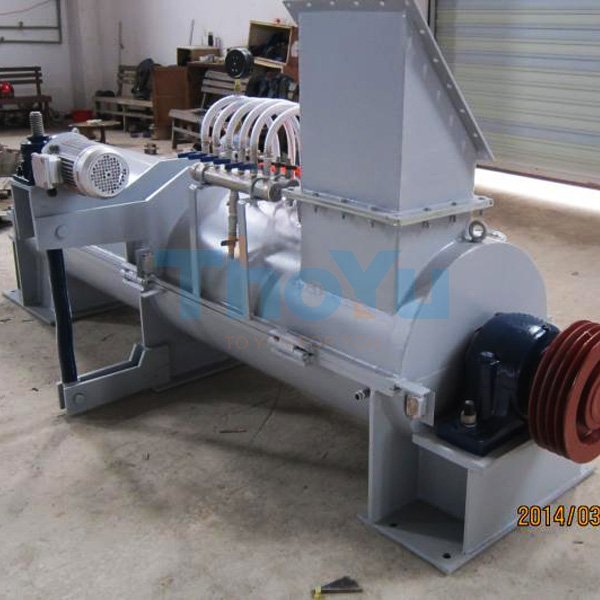
Let’s be honest — no one wants to guess what kind of chip will come out tomorrow. But when you invest in smart equipment, you create a predictable, repeatable process. That’s how top-tier pallet makers stay competitive globally.
What’s holding back your raw material standardization right now? Is it inconsistent feedstock, outdated machinery, or lack of operator training?
Your input matters — share your biggest challenge below!
Get a free consultation on selecting the right chipper model for your pallet line — including custom screen sizing and installation support.
Optimize Your Pallet Production Now →