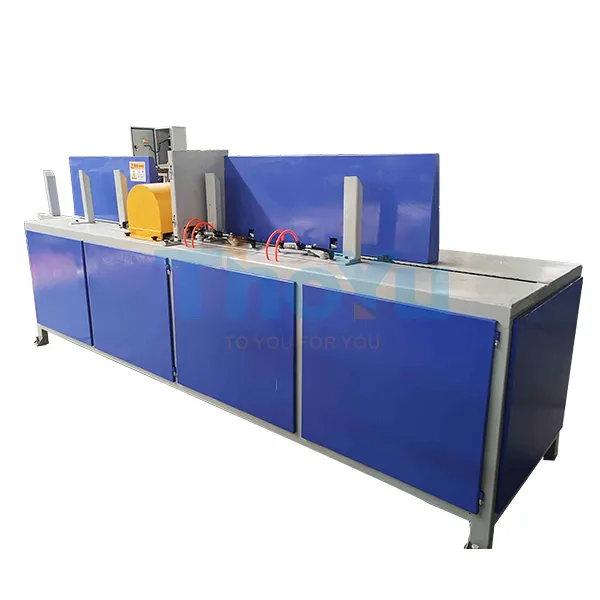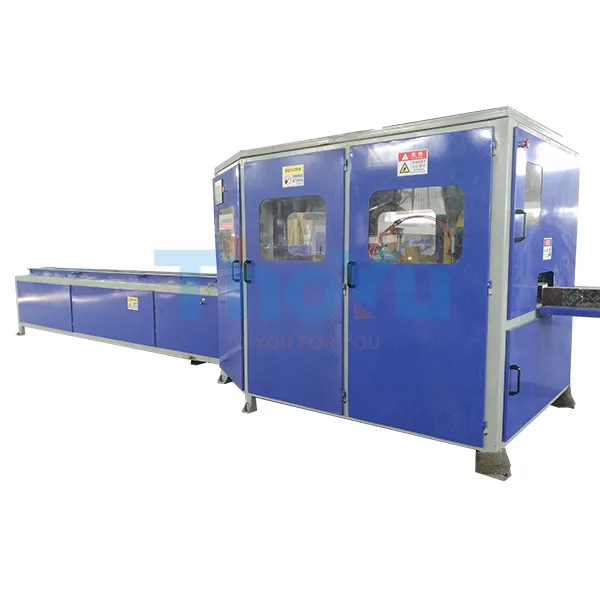

In the competitive world of plastic pallet manufacturing, optimizing extrusion efficiency is crucial for achieving higher output, cost savings, and sustainable operations. This guide spotlights five essential technical areas that can significantly elevate the performance of pallet extrusion lines, based on insights from Zhengzhou ThoYu Electromechanical Equipment Co., Ltd.'s advanced machinery and seasoned frontline engineers.
Consistency in raw material supply directly impacts extrusion quality and throughput. An advanced uniform feeding system ensures that plastic granules or powders enter the extruder at a stable rate without blockages or surges. ThoYu’s equipment incorporates precision screw feeders combined with real-time monitoring sensors which have proven to reduce feeding fluctuations by 20%-30%, effectively minimizing defects and downtime.
Efficient extrusion requires accurately controlled temperature zones along the barrel. ThoYu’s pallet extruders feature segmented heating elements with independent PID controllers allowing temperature stability within ±1°C. This precise temperature management ensures consistent melting quality, reduces energy waste by up to 15%, and extends component life. Operators are advised to calibrate thermal sensors regularly and avoid abrupt temperature swings.
Matching the extruder screw speed with the traction speed of downstream equipment is critical. If the screw rotates too fast relative to the pulling speed, product deformation or mechanical stress occurs; if too slow, production throughput drops. In collaboration with ThoYu’s engineering team, fine-tuning these parameters dynamically via automated feedback loops has shown a 12%-18% increase in extrusion output while maintaining product uniformity.
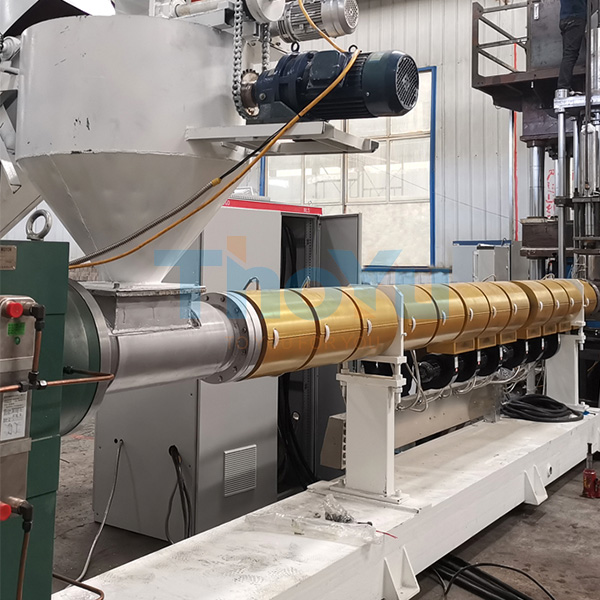
Regularly changing the filter screen prevents clogging, reduces pressure buildup, and averts equipment damage. Based on ThoYu’s field data, the ideal replacement interval ranges from 150 to 250 production hours depending on material type and quality. Incorporating a filter monitoring protocol into daily maintenance routines decreases unscheduled downtime by nearly 40%. Technicians should document pressure differentials before and after filters, promoting timely intervention.
Efficient lubrication of bearings and mechanical parts ensures reduced friction and extended machine lifespan. ThoYu’s extrusion machines feature sensor-based lubrication monitoring systems providing real-time status updates. Implementing automated lubrication alarms and scheduled oil analysis contributes to a 25% reduction in mechanical failures and enhances overall equipment effectiveness (OEE).
Q1: How can I detect uneven feeding early?
A1: Install load cells and flow sensors on feeding screws; watch for fluctuations exceeding 5%. Regularly inspect for blockages or moisture that affect material flow.
Q2: What are signs of temperature control failure?
A2: Visible product inconsistencies, overheating alarms, or PID controller error codes. Calibrate sensors quarterly and verify heating element integrity.
Q3: How to balance screw speed and pulling speed?
A3: Employ closed-loop control integrating feedback from extruder torque sensors and line speed encoders to adjust screw rpm dynamically.
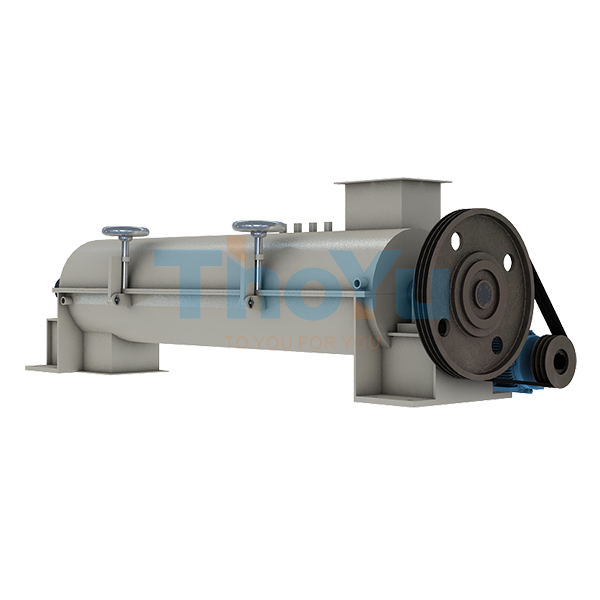
By systematically implementing these five technical strategies, facilities operating with ThoYu’s pallet extrusion technology have recorded efficiency improvements of 15%-25%, notable energy savings, and reductions in unplanned maintenance occurrences. Embracing intelligent automation and proactive maintenance cultivates an environment where operators evolve from basic users to extrusion experts, driving sustainable growth in the pallet manufacturing sector.