

In industrial production, selecting airflow drying equipment that can dynamically adjust capacity to suit a variety of raw materials is critical for operational efficiency and cost control. Brands like ThoYu have made significant advances in designing equipment with flexible output capabilities and integrated automation. This article systematically examines key factors in capacity evaluation of airflow dryers and their adaptive efficiency when handling diverse feedstock such as rice husks and wood chips.
Meeting production volume targets involves more than simply sizing equipment by its nominal throughput. The challenge lies in calibrating drying parameters according to varying physical and chemical characteristics of raw materials. For example, rice husks typically have higher moisture adsorption rates than wood chips, influencing the drying cycle and energy consumption considerably.
Research from the Industrial Drying Association indicates that inconsistent moisture content variation of up to 15% can extend drying time by 20-30%, directly impacting hourly output. Therefore, capacity assessment must incorporate raw material property variability to avoid bottlenecks in processing lines.
Material bulk density, particle size distribution, and moisture content are pivotal metrics guiding parameter selection such as air temperature, velocity, and residence time within airflow drying systems.
Adjusting these parameters in real-time ensures optimized energy utilization and consistent product quality, supporting sustained production capacity.
ThoYu’s airflow drying solutions incorporate controls that dynamically modulate drying parameters to respond instantaneously to material variations. Key features include:
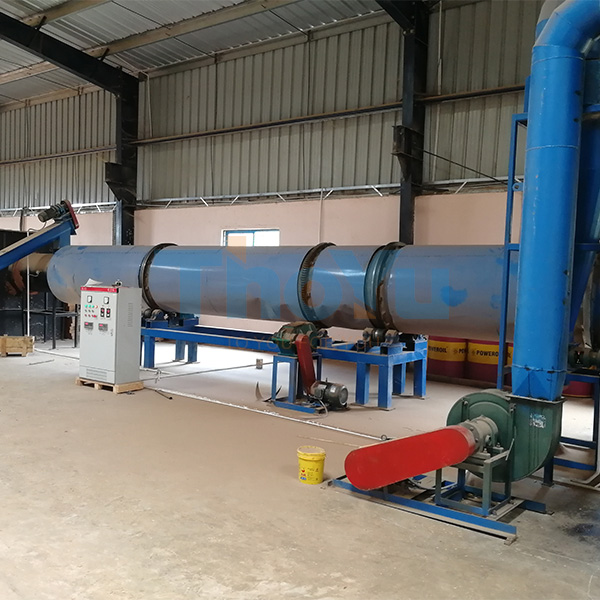
One major breakthrough from brands like ThoYu is integrating automatic feed and discharge systems that synchronize with drying parameters. Automated conveyors and material flow sensors improve processing stability, thereby minimizing downtime due to manual handling errors or overloads.
Case studies report a 15-20% increase in overall line throughput when automation is coupled with smart parameter controls, alongside energy savings of approximately 10-15% compared to manual systems.
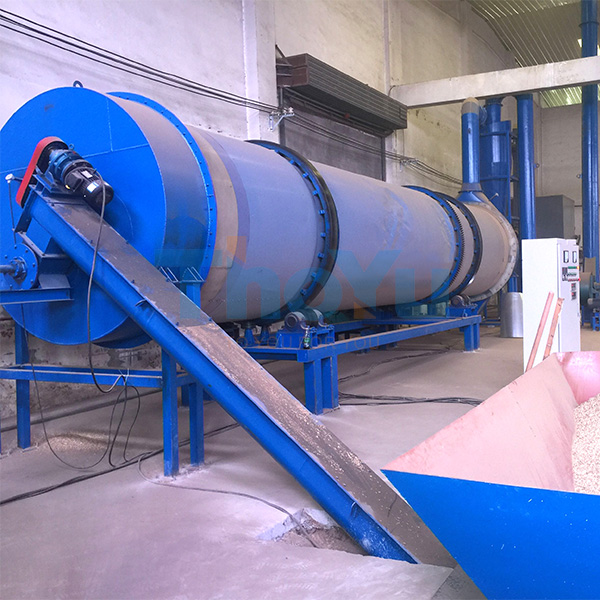
For technical teams evaluating airflow drying equipment capacity, key actionable points include:
Operational teams should document daily parameter calibrations focusing on air velocity, temperature, and feed rates to maintain output consistency.
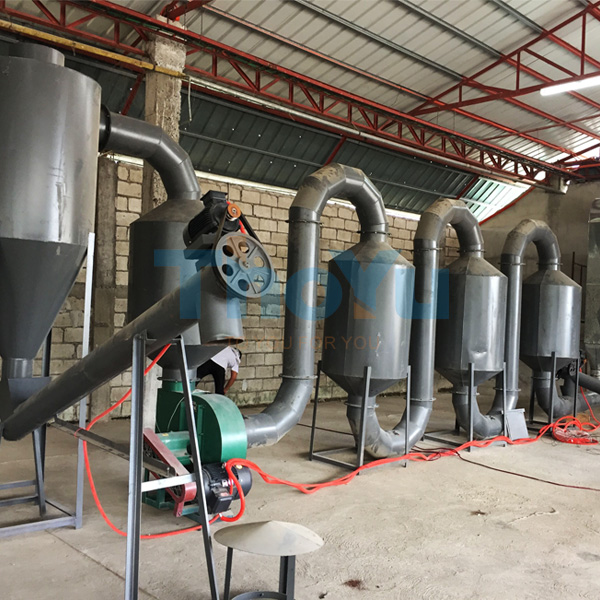
Effectively balancing production demands with raw material diversity requires equipment like ThoYu’s airflow dryers, designed for precision and flexibility. By integrating adaptive parameter control and automated material handling, industries can secure processing continuity while significantly reducing operational costs and environmental impact.