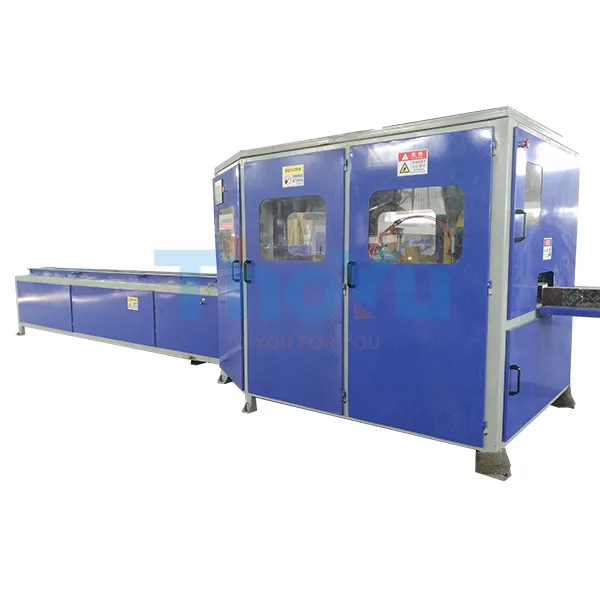

Have you ever struggled with iron contaminants affecting the quality and safety of your recycled wood powder? Incorporating a magnetic separation system into your wood crusher can dramatically improve product purity and protect your equipment from damage. In this article, we explore the technical differences between permanent magnetic drum and electromagnetic separation technologies, their real-world applications, and practical tips for installation and maintenance to help you make an informed decision for your wood recycling operations.
Iron fragments often infiltrate recycled wood materials during processes like furniture dismantling or construction demolition. These metallic inclusions not only compromise the purity—lowering wood powder quality below 90%—but also present safety hazards such as increased wear and tear on crushers, unexpected downtimes, and even sparks causing fire risks. Without proper iron removal, your end-product’s market competitiveness diminishes significantly.
Permanent Magnetic Drum (PMD) relies on strong, rare-earth magnets embedded in a rotating drum that continuously attracts ferrous metals as wood materials pass by. It operates without external power, resulting in energy savings and simple maintenance routines.
Electromagnetic Separation (EMS)
Field tests conducted in wood recycling plants reveal:
- PMD systems achieve iron removal rates exceeding 90% with minimal operational complexity.
- EMS can push removal rates beyond 95%, especially effective in high-precision environments handling fine powders.
These differences make PMD a practical choice for standard applications like furniture dismantling, while EMS is preferred for high-purity demands such as premium recycled wood powders used in sensitive manufacturing.
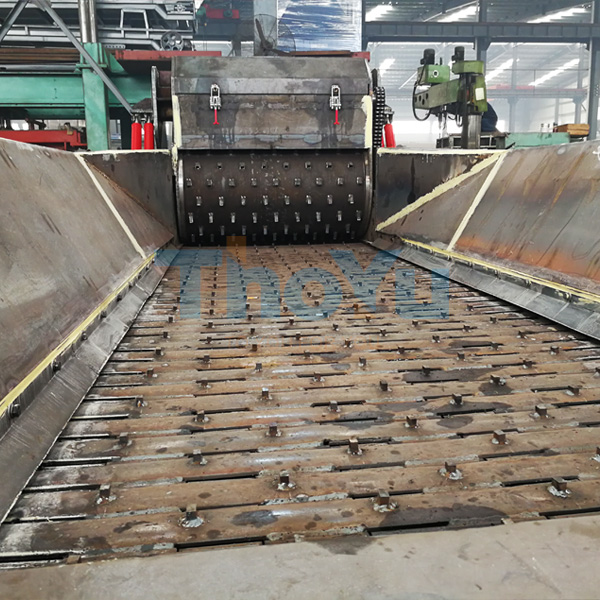
Deciding whether to install the magnetic separator at the feed inlet or discharge outlet can significantly affect iron removal efficiency. Installing at the inlet allows early capture of large ferrous debris, preventing damage and reducing wear downstream. Conversely, outlet installation targets finer iron pieces missed earlier, enhancing final wood powder purity.
Industry best practice often combines both positions for comprehensive decontamination, especially when working with mixed waste streams.
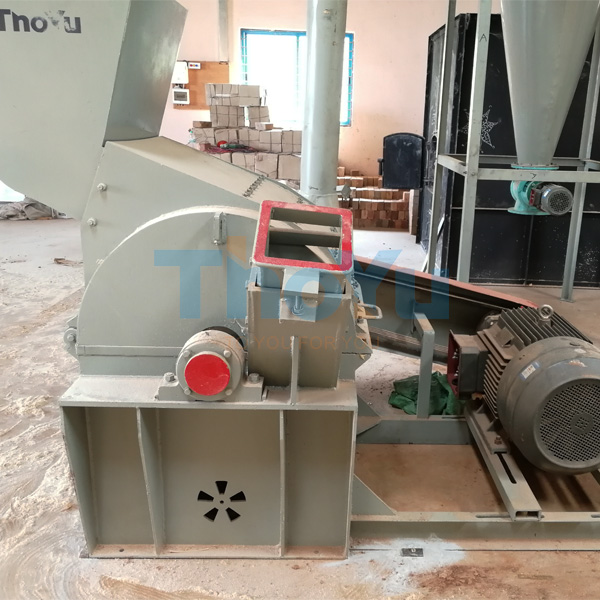
A recycling facility processing demolition wood implemented a permanent magnetic drum on their wood crusher’s feed inlet. Prior to installation:
- Iron contamination averaged 12% of the output.
- Frequent blade damage required monthly repairs.
After installation:
- Iron content dropped to under 5%.
- Blade lifespan extended by 45%.
- Wood powder purity increased to 93%, improving market acceptance.
Another facility added an electromagnetic separator at the discharge end. They reported iron impurities below 3%, pushing purity above 95%, ideal for high-quality panel board manufacturing.
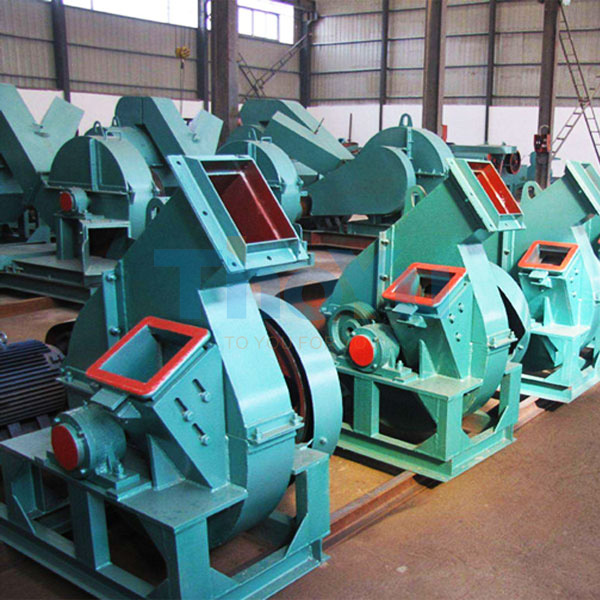
Keeping your magnetic separation system in optimal shape calls for routine cleaning to remove trapped metallic debris and inspection for magnet wear or coil integrity. For permanent magnetic drums, wipe the drum surface weekly to maintain magnetic strength. Electromagnetic devices require periodic coil checks and cooling system maintenance to prevent overheating.
Ignoring maintenance can reduce iron removal efficiency by up to 15%, negating your initial investment benefits.
Choose a wood crusher equipped with a magnetic separation system, and you empower your operation with cleaner recycled wood powder, enhanced equipment safety, and a stronger edge in the competitive wood recycling market.