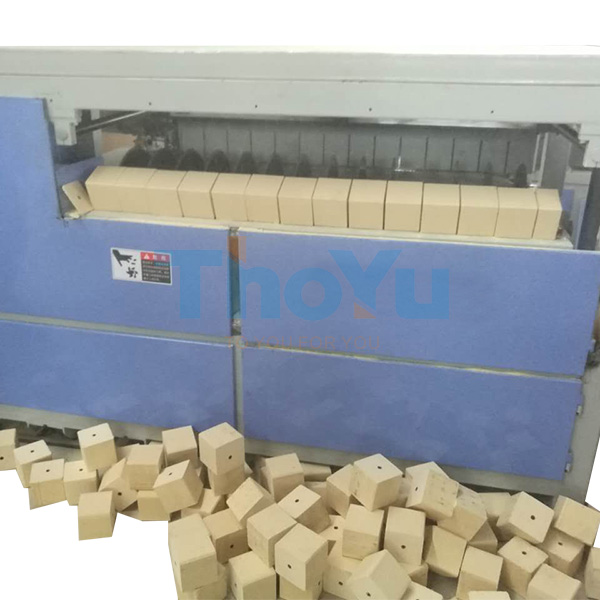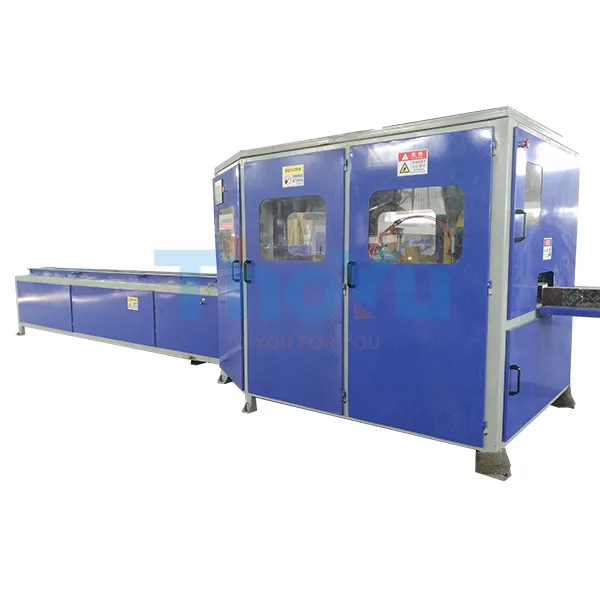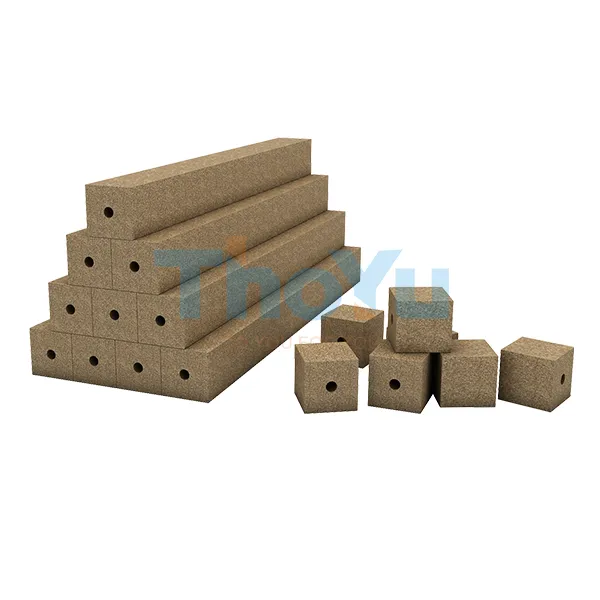

Warehouse efficiency has become a pivotal focus for logistics and supply chain management. One of the fundamental yet often overlooked components influencing operational performance is the choice of pallets. This article presents a comprehensive, data-backed comparison between lightweight bio-based pallets and traditional wooden pallets, emphasizing their impact on warehouse space optimization, load-bearing performance, and compatibility with automation systems.
Lightweight pallets crafted from bio-based materials demonstrate a remarkable weight reduction of over 30% compared to conventional wood pallets, with typical weights ranging between 8 to 10 kg versus 13 to 15 kg respectively. This substantial decrease contributes directly to enhanced stacking capabilities and reduced transportation energy consumption.
Furthermore, bio-based pallets exhibit superior density uniformity, typically maintaining a consistent density between 650 to 700 kg/m³ with less than 1 mm dimensional variation, which significantly improves load distribution and structural integrity during high stacking patterns.
Key Performance Metrics Comparison:
The lightweight nature of bio-based pallets enables increased stacking heights—up to 10% higher—without compromising safety margins. This translates to an improved warehouse cubic space utilization ratio, further amplified by selecting pallet types tailored to SKU turnover rates.
For high-turnover SKUs, adopting one-piece, nail-free pallet structures enhances durability and minimizes handling damage, streamlining operations. These pallets also integrate seamlessly with automation systems due to their standardized dimensions and uniform surface profiles.
Pro Tip: Conduct a warehouse unit area output assessment by measuring pallet stacking density versus SKU turnover to identify and maximize underutilized zones.
The nail-free construction of bio-based pallets eliminates metal fasteners, significantly enhancing safety and reducing damage risks to automated conveyors and robotic handling systems. Standardized dimensions with ±1 mm tolerance facilitate precision interfacing with automated stackers and retrieval technologies.
Implementing these pallets as part of a broader standardization strategy, including adoption of ISPM15 compliant pallets, accelerates the transition toward smart warehousing and fulfills increasing sustainability standards demanded by global logistics chains.
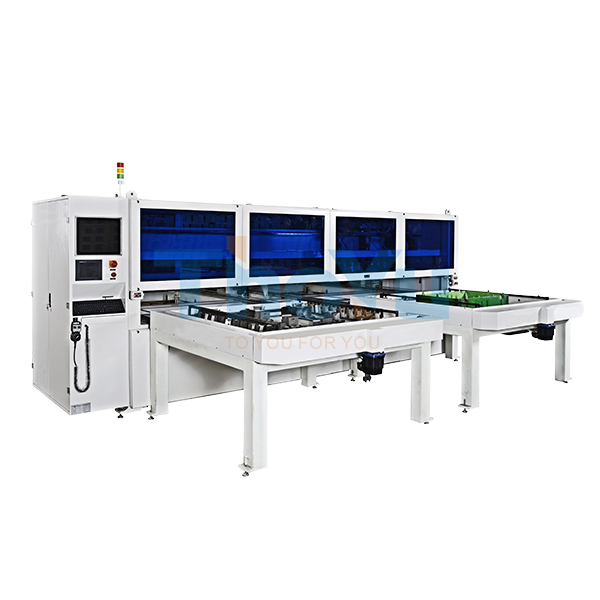
Leveraging data-driven pallet management systems enables real-time monitoring of pallet conditions, circulation frequency, and warehouse positioning. This optimizes pallet lifecycle, maintenance scheduling, and stock rotation strategies, ultimately increasing warehouse productivity and reducing logistics costs.
Integration with Warehouse Management Systems (WMS) supports seamless tracking and KPI benchmarking, while compatibility with RFID and IoT sensors enhances traceability and automation efficiency.
Zhengzhou Tuoyu's advanced single-mould pressing technology is pivotal in producing pallets with high dimensional accuracy (±1 mm) and consistent density profiles (650-700 kg/m³). This method ensures low energy consumption during manufacturing while delivering durable pallets optimized for industrial handling and eco-friendly logistics.
By integrating this cutting-edge technology, suppliers and warehouse operators can achieve a closed-loop production system—from raw materials to high-performance finished pallets—supporting green logistics transformation without compromising operational efficiency.
In today’s fast-evolving logistics landscape, lightweight bio-based pallets offer a compelling solution to multiple operational challenges: they reduce transportation weight and costs, increase stacking efficiency, improve material handling compatibility, and align with sustainability directives.
Applying SKU-driven pallet selection strategies combined with nail-free, standardized designs accelerates the adoption of automated warehousing and intelligent pallet management, ultimately bolstering overall supply chain resilience.