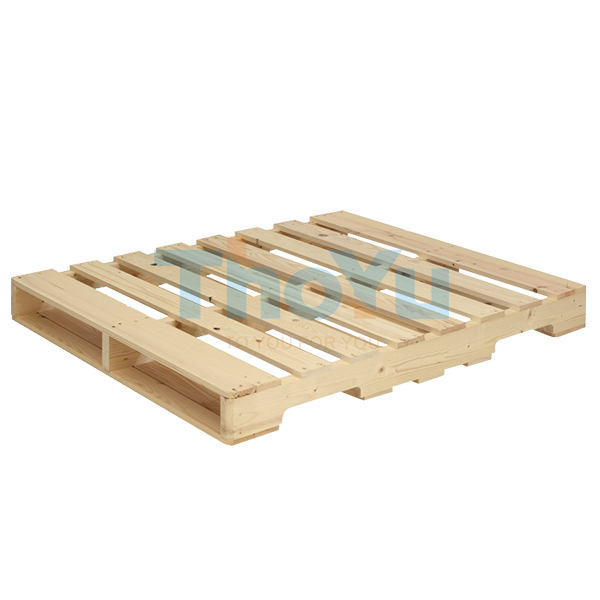

In today's rapidly evolving logistics and warehousing landscape, optimizing storage space while maintaining operational efficiency is paramount. This necessity has sparked significant advances in lightweight pallet designs, which merge sustainability with performance. Central to this evolution is Zhengzhou Tuoyu Electromechanical Equipment Co., Ltd., whose cutting-edge bio-based lightweight pallets, produced via their single mold pressing wood pallet machine, offer transformative benefits for modern supply chains.
Conventional wooden pallets, while robust, impose limitations in weight and recyclability that constrain warehouse throughput and increase freight costs. Data from recent industry reports indicate that traditional pallets weigh between 20 to 25 kilograms, whereas the bio-based lightweight pallets engineered by Zhengzhou Tuoyu weigh approximately 40% less—averaging around 12 to 15 kilograms—without compromising structural integrity.
This weight reduction translates to considerable savings in transportation fuel and enhanced stacking capabilities. Specifically, warehouses employing lightweight pallets report an average 15% increase in stacking height, maximizing cubic space utilization by reducing the pallet dead weight per load unit. Moreover, the bio-based composite materials improve pallet lifespan, supporting over 120 reuse cycles compared to 60 cycles typical for untreated wood pallets, significantly reducing replacement frequency and waste.
Zhengzhou Tuoyu’s pallets combine a high anti-bending strength exceeding 5000 N with enhanced moisture resistance, addressing common issues of warping and breakage seen in natural wood during high-humidity storage or transit conditions. Load-bearing capacity reaches up to 1500 kg per pallet, meeting or surpassing industry standards for heavy goods.
From an environmental standpoint, using bio-based materials reduces dependency on virgin timber, aligning with global sustainability mandates. Lifecycle analyses show that the carbon footprint of these pallets is reduced by approximately 30% over their service life, making them an attractive choice for eco-conscious enterprises.
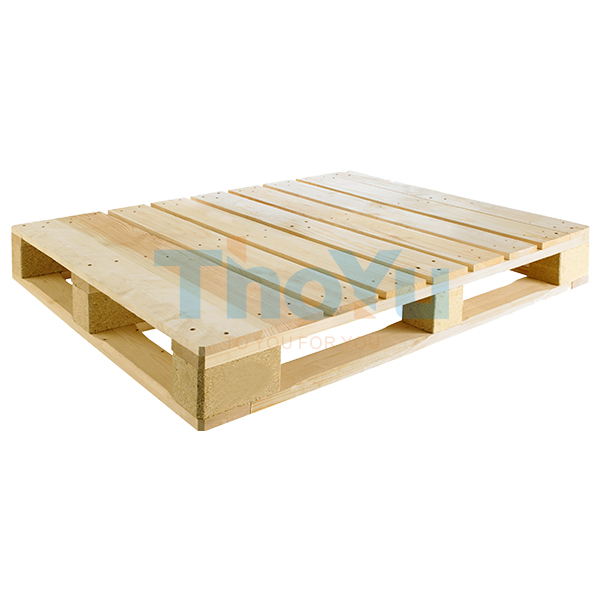
Selecting pallets tailored to the SKU characteristics is critical for minimizing product damage and optimizing warehouse throughput. Lightweight pallets excel in handling smaller, frequent-move SKUs due to their ease of maneuvering and compatibility with automated material handling equipment.
For heavier or bulkier SKUs, the enhanced structural integrity and increased load capacity of Zhengzhou Tuoyu’s designs enable higher stacking without compromising safety. Integrated data from warehouse management systems can inform dynamic pallet allocation, reducing breakage rates by an estimated 12–20%, according to logistics performance metrics.
A standout feature of Tuoyu’s pallets is the nail-free one-piece construction, which reduces the risk of pallet failure and eliminates hazards associated with protruding nails during handling. This design simplifies cleaning and maintenance, pivotal in food and pharmaceutical supply chains.
Additionally, these standardized pallets are engineered for perfect synergy with automated storage and retrieval systems (AS/RS). The consistent dimensions and enhanced rigidity improve robotic handling precision, thereby accelerating pallet throughput by up to 18% compared to conventional pallets. This advancement supports warehouses’ digital transformation goals and enhances real-time inventory accuracy.
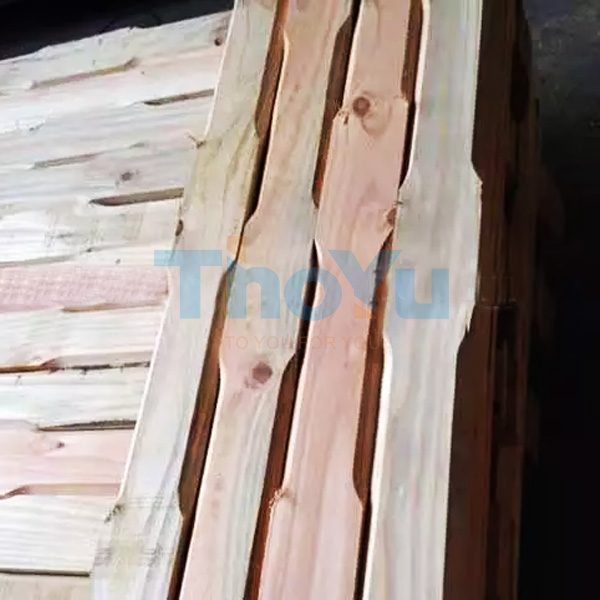
The trajectory for lightweight pallet design points toward further integration with Internet of Things (IoT) tracking technologies and smart materials that self-report wear conditions. Case studies underscore that companies adopting these innovations see average warehouse space utilization improvements of 12–20% annually.
Industry experts advocate for adopting standardized lightweight pallets as foundational to future-proof warehousing. With evolving SKU diversity and demand volatility, flexibility and sustainability in pallet selection will drive competitive advantages.