

Choosing the right large-scale wood shredding equipment is crucial for wood recycling facilities and wood processing enterprises aiming for efficiency and cost-effectiveness. With raw materials ranging widely—such as old pallets and furniture offcuts—traditional shredders often fall short in adaptability. This article delves into the performance contrasts between hammer mill and disc shredder types, providing a data-driven analysis to help decision-makers fine-tune their selection strategy.
Wood recycling faces the inherent challenge of inconsistent feedstock properties. Pallets and furniture residues differ greatly in density, moisture content, and impurity levels. This variability complicates the choice of shredding technology, often leading to either throughput bottlenecks or quality loss from excessive fines and contaminants.
The hammer mill shredder operates by high-speed rotating hammers impacting wood pieces, breaking them down into smaller particles. Its strength lies in rapid throughput and versatility, handling tough scrap and variable sizes efficiently. However, energy consumption is typically higher due to intense mechanical stress.
Conversely, the disc shredder utilizes a rotating disc with sharp blades to slice wood materials gently. It excels in producing uniform particle sizes with reduced dust generation and lower energy demands. Yet, it may struggle with highly contaminated or irregularly shaped materials, limiting its universal applicability.
| Performance Indicator | Hammer Mill | Disc Shredder |
|---|---|---|
| Processing Efficiency | High (up to 10 tons/hour) | Moderate (6–8 tons/hour) |
| Energy Consumption | ~20-25 kWh/ton | ~15-18 kWh/ton |
| Output Particle Size | 0.5–3 cm adjustable | 1–2 cm, more uniform |
| Maintenance Complexity | Higher, frequent hammer replacement | Lower, blade sharpening needed |
| Suitability for Impurities | Better tolerance, especially with magnetic separators | Less tolerant, risk of blade damage |
For panel board manufacturing, where particle uniformity greatly influences adhesive bonding, the disc shredder is typically preferred due to its consistent output size and lower dust levels. In contrast, facilities focusing on energy production via combustion or pelletization often benefit from the hammer mill’s higher throughput and impurity handling, especially when integrated with magnetic separators achieving iron removal rates of approximately 95%.
An illustrative case involved a wood recycling plant in Eastern Europe that reported a 30% increase in energy costs and a 15% drop in throughput after opting for a disc shredder to process mixed pallet waste. Switching to a hammer mill with an advanced magnetic extraction system led to a rapid recovery in performance, highlighting the importance of aligning technology with material specifics.
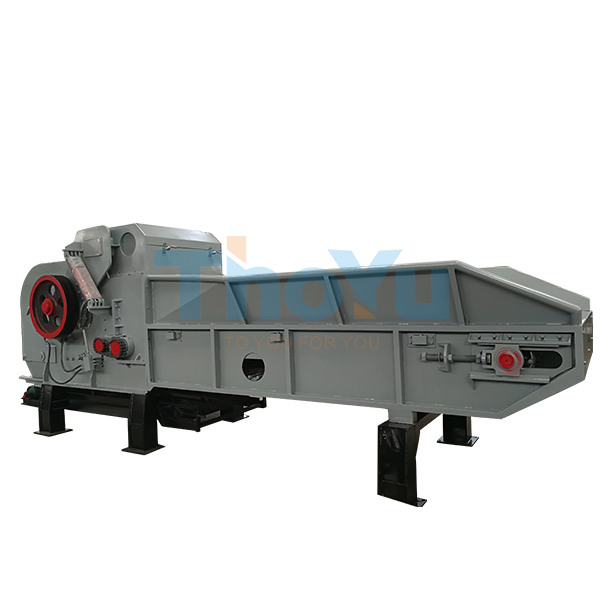
Selecting the optimal shredder involves careful consideration across four dimensions:
Ensuring optimal performance doesn’t stop at installation. Operators should follow routine calibration and maintenance:
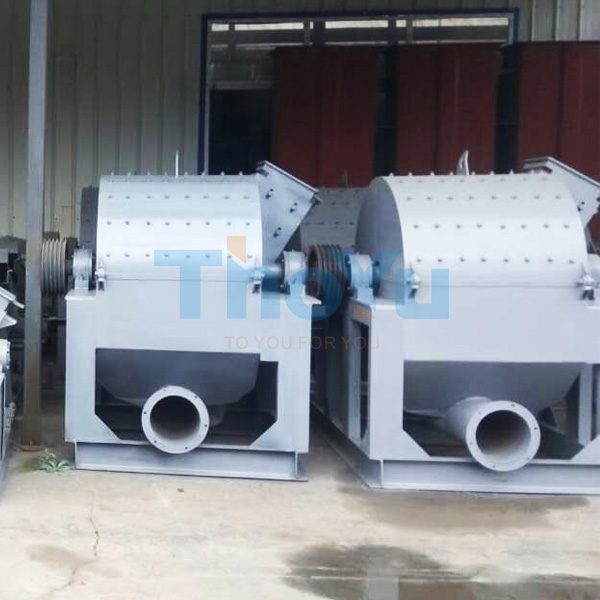
The ThoYu comprehensive wood shredding solutions distinguish themselves with superior stability, low noise operation, and optional built-in magnetic extraction units tailored for demanding wood recycling environments. Users report up to 12% energy savings compared to legacy equipment, paired with improved uptime due to easy-access maintenance designs.
Integrating sustainability and operational efficiency, these machines support green circular economy initiatives by maximizing material recovery while minimizing environmental impact.
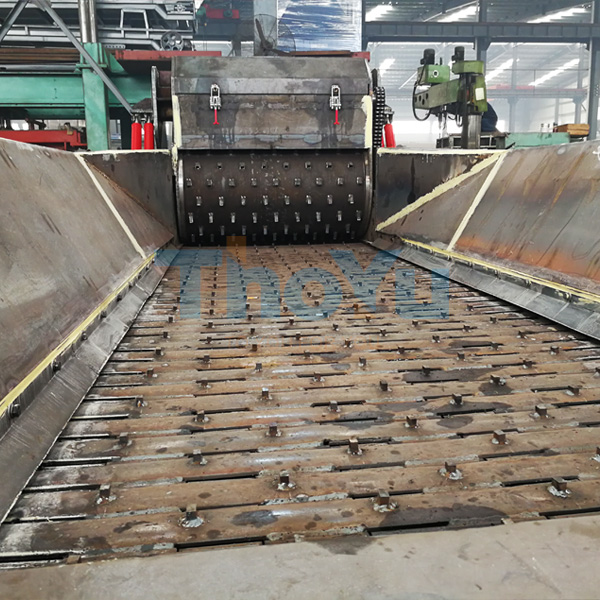
Pinpoint your wood type to understand which shredder model best fits your needs. Need tailored advice?
Get Your Custom Wood Shredding Solution Now