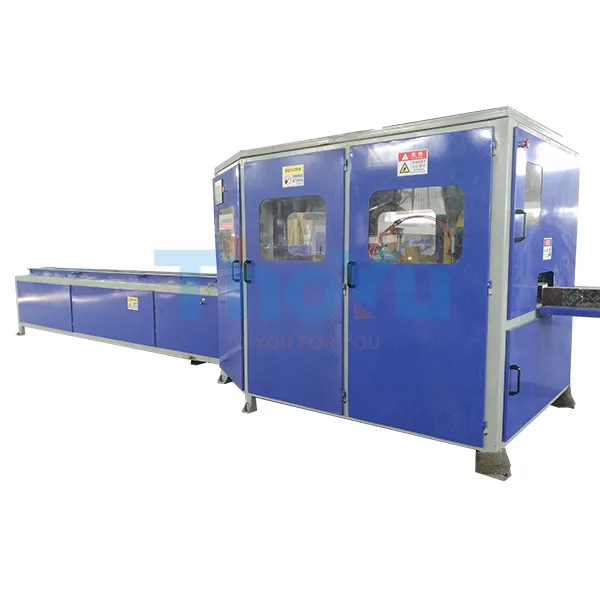

When your business involves processing used pallets, furniture offcuts, or reclaimed wood from construction templates, selecting the right pulverizing machine is a critical decision. The density, moisture content, and impurity levels of your raw materials, combined with your production goals and space constraints, drive the choice between a hammer mill and a disc mill.
Different types of industrial wood vary widely: used pallets typically have densities ranging from 500 to 750 kg/m³ and moisture content between 12% to 18%. Furniture offcuts may present higher moisture levels, sometimes exceeding 20%, and include adhesives or coatings. Construction timber and templates often contain embedded nails or metal fasteners, increasing impurity risks.
This variance directly affects pulverizer performance. High-density, dry wood demands robust impact forces for efficient size reduction, while moist or contaminated materials require equipment with superior impurity tolerance and cleaning mechanisms.
| Aspect | Hammer Mill | Disc Mill |
|---|---|---|
| Working Principle | High-speed rotating hammers impact and shatter wood | Rotating disc blades shear and slice wood pieces |
| Suitable Materials | High-density, hard wood with lower moisture, minor impurities | Moist, mixed-density wood with moderate impurities including nails |
| Processing Efficiency | Up to 15-20 tons per hour under optimal conditions | 10-15 tons per hour with consistent output size |
| Energy Consumption | Typically 25% lower due to mechanical simplicity | Higher due to complex shear action, but stable under variable feed |
| Output Particle Size | Coarser, varied between 5-30 mm depending on screen size | Finer and more uniform, typically 3-15 mm |
| Maintenance Complexity | Easier, fewer moving parts | Requires frequent blade sharpening/replacement |
Your wood waste might be best suited for one machine or the other depending on these technical and material factors. Reflect on the moisture level, impurities, and particle requirements before finalizing.
Before choosing, consider:
Fine-tuning operational parameters can drastically improve performance. For example:
Including a magnetic separator with your pulverizer can boost metal removal efficiency to over 95%, safeguarding your equipment and ensuring purity of recycled wood.
To accelerate your equipment up and running:
One recycling plant processing 15 tons/day of used pallets switched to a ThoYu hammer mill and integrated a magnetic separator. They observed a 20% increase in throughput, a 15% reduction in downtime, and consistently pure output ready for biomass applications. Their system exemplifies how the right equipment paired with smart selection and process tuning leads to sustainable, profitable wood recycling.
Choosing the right pulverizer is not just a purchase; it’s a strategic investment into your operation’s efficiency and eco-compliance.