
Efficient wood recycling is key to sustainable wood processing industries. Choosing the right large-sized wood crushing equipment not only enhances throughput but also optimizes energy consumption and final product quality. This comprehensive guide delves into the critical differences between hammer mills and disc mills, tailored specifically for handling common wood waste streams such as pallets and furniture offcuts. By analyzing wood characteristics—density, moisture content, and impurities—alongside operational requirements like production capacity and footprint constraints, this tutorial empowers wood recyclers and processing plants to make data-driven equipment decisions.
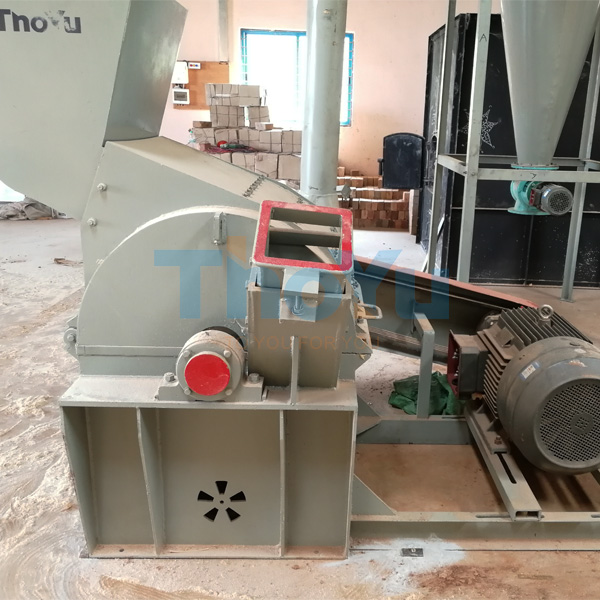
Hammer mills function by rotating hammers at high speeds to shatter wood material into smaller particles. They excel in handling medium to hard wood types with variable moisture contents and tolerate moderate amounts of impurities. Typically, hammer mills deliver high reduction ratio with output particle sizes ranging from 3 mm to 30 mm, making them ideal for coarse to medium shredding stages.
In contrast, the disc mill utilizes sharp blades attached to a rotating disc that cuts wood more precisely. This design achieves finer and more uniform particle outputs, often under 10 mm, with lower noise and vibration levels. Disc mills typically consume 15-20% less energy than hammer mills at equivalent throughput but require cleaner feedstock due to blade sensitivity.
| Feature | Hammer Mill | Disc Mill |
|---|---|---|
| Suitable Wood Density | Medium to High (600–900 kg/m³) | Low to Medium (400–700 kg/m³) |
| Moisture Tolerance | Up to 35% | Up to 20% |
| Impurity Resistance | High (magnetic separator recommended) | Low (blade damage risk) |
| Typical Output Particle Size | 3–30 mm | <10 mm |
| Energy Consumption (kWh/ton) | 80–120 | 60–90 |
Understanding feedstock properties is crucial. Pallets often contain hardwoods with densities around 700-900 kg/m³ and moisture content averaging 15-25%, but can carry embedded metals or nails requiring magnetic separation. Furniture offcuts, typically softer wood or plywood, have lighter densities (~400–700 kg/m³) and vary in moisture depending on prior processing.
For example, building plywood scraps might have moisture up to 30% and higher impurity load. Equipment must be tailored to accommodate these parameters; hammer mills are generally robust for mixed-material pallets with higher impurity levels, while disc mills suit cleaner, softer wood offcuts for precision pelletization or fine mulch.
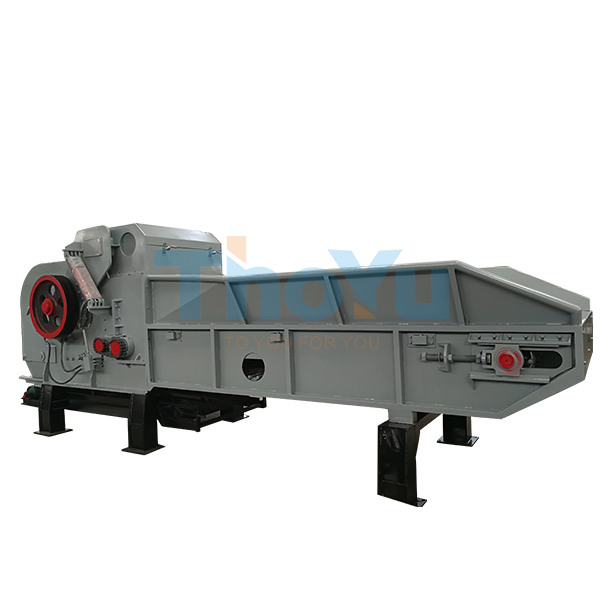
Target production capacity is a major determining factor. Large recycling plants may require throughput of 5-15 tons per hour or more; hammer mills accommodate high volume with ruggedness, whereas disc mills typically serve medium-scale operations (~1-5 tons/hour) with greater control over output consistency.
Space availability also impacts choice. Hammer mills’ simpler layout demands more clearance for feed and discharge, while disc mills can be paired with integrated vacuum or screening systems, reducing footprint in constricted facilities.
Proper commissioning maximizes operational stability. Initial steps include:
Common faults involve overheating due to overload, inconsistent output size from screen clogging, and excessive vibration arising from material jams. Solution strategies include pre-screening raw material, scheduled rotor inspections, and real-time monitoring with vibration sensors.
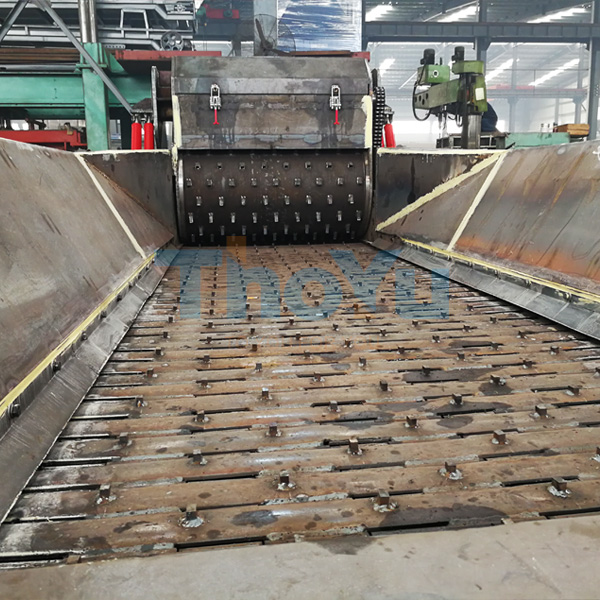
A mid-sized wood recycling plant in Germany enhanced throughput by 25% after switching from an undersized disc mill to a hammer mill configuration, enabling processing of denser pallet waste with varied impurity content.
Another furniture manufacturer in the US leveraged disc mill technology to produce finer-grade mulch, reducing energy costs by 18% while maintaining particle size uniformity critical for downstream applications.