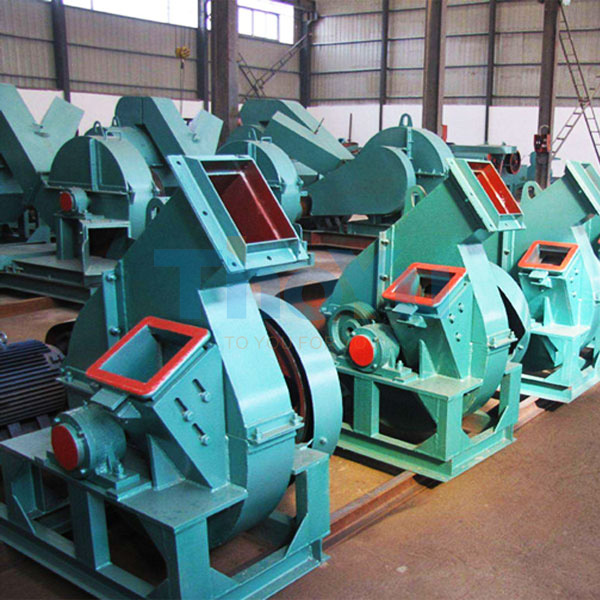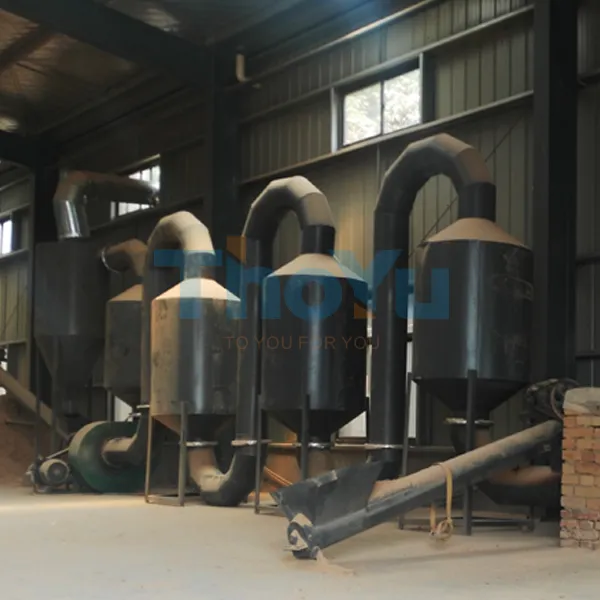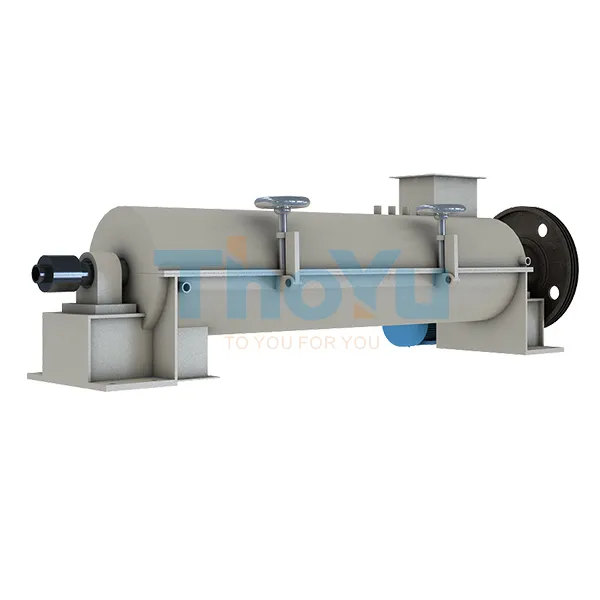

For wood processing facilities facing the challenge of handling logs with diameters exceeding 500 millimeters, selecting an optimal large-diameter log wood chipper demands more than just matching size specifications. Understanding the key technical parameters—including cutting capacity, feeding method, disc speed, and output chip size control—is essential to ensuring stable operation, high chip quality, and maximum productivity. This article delves into these parameters and uses real-world industry cases to guide production managers and equipment buyers in making informed, value-driven procurement decisions.
Selecting a large-diameter log wood chipper, especially one utilizing drum (or disc) type technology, requires close attention to multiple interrelated specifications:
Among the most crucial considerations, the feeding mechanism dramatically influences throughput and operator safety. Hydraulic feeding rollers are favored in large-diameter applications as they provide consistent pressure on the log, ensuring smooth and reliable advancement into the blade area. Additionally, feeding speed must be synchronized with disc rotation; mismatch leads to either under-chipping or overloading, affecting chip quality and machine longevity.
Disc speed correlates tightly with chip size uniformity and surface finish. Typically, a speed of approximately 700 RPM is ideal for mixed hardwoods like eucalyptus and softwoods such as pine. Higher speeds improve chip smoothness but can increase wear and power consumption. Lower speeds may generate uneven chips, challenging pulp quality downstream.
A Southern US wood processing plant recently upgraded its log chipper from a 450 mm capacity unit to a 700 mm drum chipper. The new machine features a hydraulic feeding system and adjustable knife configuration. When processing pine (Pinus taeda), they achieved chip uniformity within 4 mm variation at an average production rate of 25 m³/hour. However, for denser eucalyptus logs, despite similar capacity, production dropped to 18 m³/hour due to increased cutting resistance and additional feed pressure requirements.
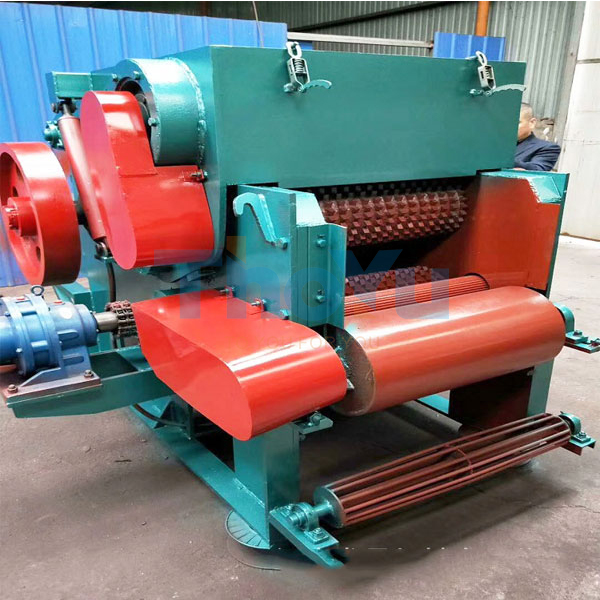
Operational stability extends beyond cutting mechanics. Vibration analysis during continuous operation showed that reinforced frame structures with vibration isolation reduced mechanical stress by over 15%, resulting in 12% less downtime. Routine inspection intervals improved, with critical part replacement cycles extending from 800 to 1200 hours.
| Parameter | Eucalyptus Logs | Pine Logs |
|---|---|---|
| Average Throughput (m³/hr) | 18 | 25 |
| Feed Pressure (kN) | 120 | 90 |
| Chip Size Variation (mm) | ±5 | ±4 |
| Maintenance Interval (hours) | 1100 | 1200 |
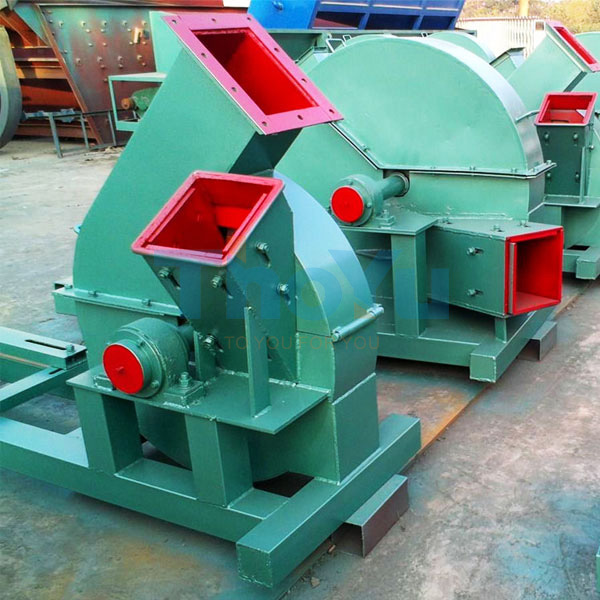
For facilities processing different wood species and diameters, flexibility in cutting tools and feed systems is paramount. Modular blade designs and variable feed speeds offer adaptability without requiring complete machine overhaul. This modularity enhances economic efficiency and reduces total cost of ownership.