ISPM 15 Compliance for Export Pallets: HT/MB Marking Identification, Design Rules, and Customs Checks
25 02,2026
ThoYu
Technical knowledge
This article provides a practical, standards-based explanation of ISPM 15 compliance for export pallets, focusing on the technical details logistics and warehousing teams need to avoid clearance delays. It opens with a real-world customs hold case caused by non-compliant wood packaging, then breaks down how to verify ISPM 15 marks—especially Heat Treatment (HT) and Methyl Bromide fumigation (MB)—including what a valid stamp should contain and common marking errors. The article also clarifies pallet design and build considerations that often trigger inspection risks, such as the use of compliant treated wood components, repair and re-marking rules, and documentation checks frequently reviewed during export customs processing. A step-by-step self-audit workflow and a field-ready checklist are included to help teams identify issues before dispatch and reduce rework costs. Finally, it compares traditional wooden pallets with bio-based pallets promoted by Zhengzhou Tuoyu Electromechanical Equipment Co., Ltd., highlighting advantages in compliance readiness, sustainability benefits, and transport efficiency for international shipments. Readers are guided to download the “ISPM 15 Compliance Self-Check Toolkit” or join an industry exchange group for ongoing updates and peer support.
ISPM 15 for Export Pallets: How to Know If Your Pallet Will Pass Plant Quarantine Checks
In global shipping, a “good enough” wooden pallet can quietly become the single reason a container is held at port. ISPM 15 (International Standards for Phytosanitary Measures No. 15) was created to prevent pests from traveling across borders in wood packaging material (WPM). For exporters, warehouses, and logistics operators, it has become a make-or-break compliance checkpoint—often inspected faster than the cargo itself.
A Real-World Scenario: One Missing Mark, 12 Days Lost
A mid-sized machinery exporter shipped a mixed load to an EU destination using “repaired” wooden pallets purchased locally. The pallets looked solid, but several boards had been replaced and the repair shop did not re-apply the correct ISPM 15 mark. During inspection, customs flagged the pallets as non-compliant WPM. Result: the container was held pending rework, repacking, or return/destruction of the pallets, plus storage charges and rescheduling fees.
In practice, delays of 7–14 days are common once WPM is questioned, and total incidental costs (demurrage, warehousing, labor, rebooking) can easily reach USD 800–3,500+ per shipment depending on port and season. The painful part: the cargo may be perfectly compliant—only the pallet fails.
ISPM 15 Basics (What Customs Actually Checks)
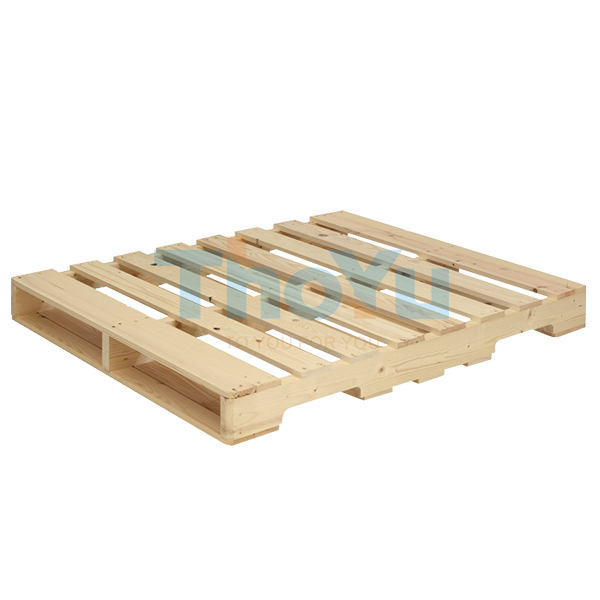
ISPM 15 applies to solid wood packaging materials such as export pallets, crates, and dunnage typically 6 mm or thicker. The standard requires approved treatment and clear marking to reduce the risk of insects and pathogens traveling internationally.
Quick compliance definition
A pallet is generally considered ISPM 15 compliant when it is made of appropriately treated solid wood (or an exempt material), and carries a legible, correct, non-transferable IPPC mark matching the pallet’s condition (especially after repair).
How to Identify HT vs. MB Marks (And Why It Matters)
In most export scenarios, you’ll see one of two treatment codes on the ISPM 15 mark: HT (Heat Treatment) or MB (Methyl Bromide fumigation). Many buyers and regulators increasingly prefer HT due to sustainability and regulatory pressure on fumigants.
Treatment method: HT or MB (sometimes also DH in specific cases)
Red flag: a stamp that looks “hand-copied,” partially missing, placed on a detachable label, or printed on a surface that’s been sanded/replaced after repair.
Structural Compliance: Beyond the Stamp
Ports don’t only look for marks; inspectors also look for conditions that suggest a pallet is repaired without re-certification or made from mixed, untreated wood. In high-volume lanes, an inspector may do a fast visual check: stamp legibility, pallet integrity, and “suspicious” new boards.
Common structural checkpoints (practical view)
Board thickness: many export pallets use deck boards around 16–22 mm; thin boards crack easier and can look “replaced” after transit.
Fasteners and nail pattern: inconsistent nail spacing or fresh fasteners on a single board often signals repair. In many factories, nail pitch is typically around 50–100 mm depending on load design and board width.
New wood vs. aged wood: mixed color/texture boards draw attention. If repaired, the pallet often must be re-marked under an approved program.
Cleanliness: bark remnants, mud, and plant debris can trigger quarantine even if the stamp is correct.
Design tip for fewer inspection headaches
For routes with stricter enforcement, use pallets with consistent components and a clearly visible stamp on at least two opposite sides. Operationally, this reduces the time inspectors spend “searching” for compliance—and reduces the chance of subjective escalation.
Customs & Documentation: Where Shipments Get Stuck
Export declarations and shipping documents do not always require an ISPM 15 “certificate,” but customs and buyers may demand evidence when something looks off. The most frequent bottleneck happens when paperwork says one thing (e.g., “HT pallets”) but the physical stamp or pallet condition suggests another.
Top 6 audit triggers (seen in daily export operations)
Stamp is missing, blurred, or covered by stretch film or labels.
Pallet has fresh replacement boards without proper re-marking.
Use of mixed packaging: compliant pallets + non-compliant wood blocks/dunnage.
WPM described incorrectly in packing list (e.g., “plastic pallet” but it’s wood).
Cargo is routed through high-control ports where quarantine checks are frequent.
Visible bark, insect holes, or contamination on wood surface.
Checkpoint
What “Good” Looks Like
Risk if Failed
ISPM 15 mark
Legible, correct format, not on a removable label
Hold, rework, repack, return or disposal
Repair status
No suspicious new boards; repaired pallets handled by approved program
Non-compliance suspicion, escalated inspection
Cleanliness
No bark, soil, plant residue; dry and clean surface
Quarantine action due to contamination
Document alignment
Packing list and SOP match actual pallet material and quantity
Disputes with buyer, delays in release
A Practical Self-Check Workflow (10 Minutes Before Loading)
Export teams don’t need a long meeting—what they need is a repeatable routine. The following workflow is designed for warehouse supervisors, freight forwarders, and QC staff right before container stuffing.
ISPM 15 pre-loading checklist
Step 1: Confirm pallet type: solid wood vs. exempt materials (plastic, metal, plywood/OSB are often exempt, but verify destination rules).
Step 2: Find the mark on two sides. If you can’t find it quickly, inspectors won’t either.
Step 3: Verify treatment code: HT or MB. If buyer requires HT, don’t assume—check.
Step 4: Look for repair signs: new boards, different wood tone, new nails. If repaired, treat it as high risk unless re-marked properly.
Step 6: Photo record: take 2–3 photos showing stamps and overall pallet condition; store with shipment file.
Teams that implement a simple photo + checklist routine often report fewer disputes with buyers and faster exception handling. Even when inspections happen, having a clear pre-loading record can shorten back-and-forth time significantly.
Wood Pallets vs. Bio-Based Pallets: A Compliance and Efficiency Angle
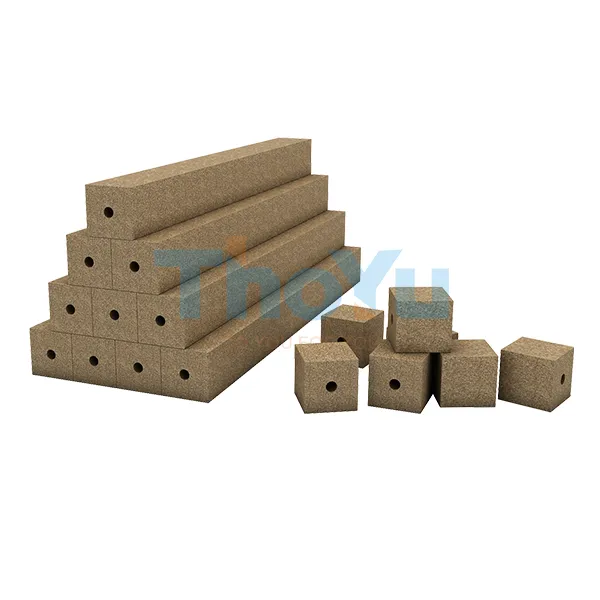
Traditional wooden pallets are widely available and cost-effective, but they carry compliance friction: treatment, marking, repair control, and quarantine sensitivity. In contrast, bio-based pallets (such as the eco-oriented solutions promoted by Zhengzhou Tuoyu Electromechanical Equipment Co., Ltd.) are designed to reduce plant-quarantine concerns and improve operational consistency.
Why logistics operators are paying attention
Lower phytosanitary risk profile: no “treatment stamp dependency” common in solid wood workflows.
Consistency in structure: stable specifications help reduce “repair-looking” inspections and random escalations.
Operational efficiency: many users see faster pallet sorting and fewer rejections due to cleaner surfaces and standardized design.
Sustainability narrative: bio-based materials can support ESG reporting and buyer audits—especially in EU-facing supply chains.
For lanes where quarantine enforcement is tight or buyer audits are frequent, switching part of outbound volume to bio-based pallets can be a strategic risk-control decision—not only a “green choice.”
Get the ISPM 15 Compliance Self-Audit Toolkit (Free Download)
Want a ready-to-use checklist, photo record template, and a one-page “HT/MB mark verification guide” that your warehouse team can follow before every export loading? Download the toolkit and join the industry group to share real port inspection experiences and prevention tips.