In today's interconnected global trade environment, compliance with international standards is not just a requirement but a strategic advantage. The International Standards for Phytosanitary Measures No. 15 (ISPM15) has become a cornerstone regulation for wooden packaging materials used in international trade. With over 85% of global trade relying on wooden pallets for transportation, understanding ISPM15 compliance is essential for businesses looking to avoid costly delays and penalties.
Key Statistic:
Customs authorities worldwide reject or treat approximately 3% of wooden packaging annually due to ISPM15 non-compliance, resulting in average delays of 7-14 days and additional costs exceeding $1,500 per shipment.
Implemented by the International Plant Protection Convention (IPPC) in 2002, ISPM15 aims to prevent the spread of invasive pests through wooden packaging materials. The standard applies to all solid wood packaging used in international trade, including pallets, crates, and dunnage.
Compliance requires that wooden packaging materials undergo an approved treatment and bear the official ISPM15 mark. Two primary treatments are recognized globally:
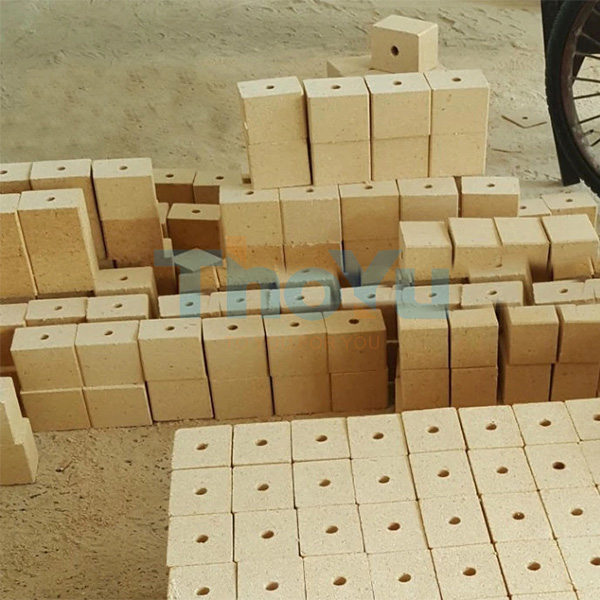
Recognizing valid ISPM15 marks is critical for ensuring compliance. The official stamp contains several key elements that shippers should verify before international transport:
ISPM15 compliance isn't limited to treatment alone. The physical construction of pallets also plays a crucial role in both compliance and performance. Key structural specifications include:
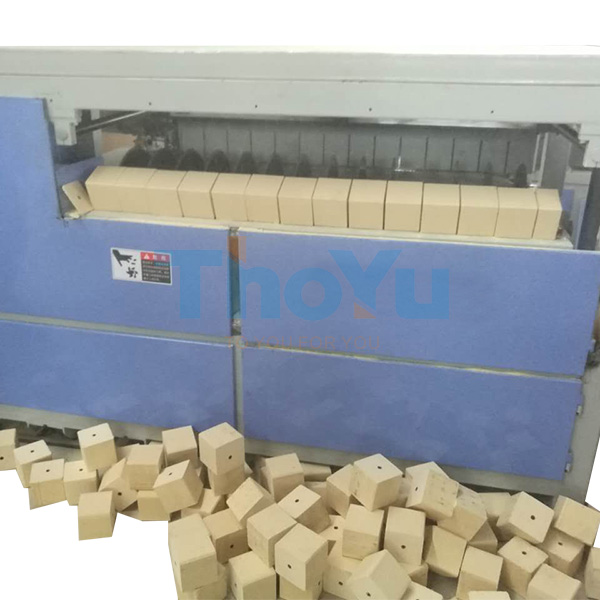
Non-compliance with ISPM15 can have significant financial and operational consequences. Consider these real-world scenarios:
While traditional wooden pallets can meet ISPM15 requirements with proper treatment, innovative alternatives offer enhanced compliance, durability, and environmental benefits. Zhengzhou Tuoyu Electromechanical Equipment Co., Ltd. has developed a revolutionary bio-based thermo-pressed wood pallet that addresses many of the limitations of conventional wooden pallets.
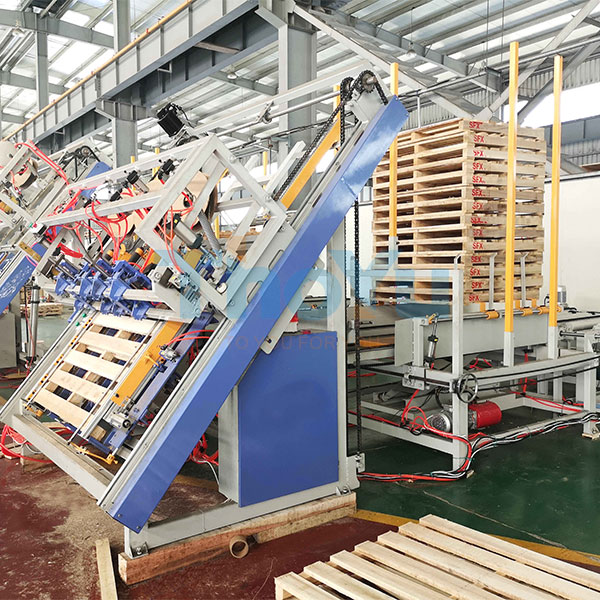
| Feature | Traditional Wooden Pallets | Bio-based Thermo-pressed Pallets |
|---|---|---|
| ISPM15 Compliance | Requires additional HT or MB treatment | Inherently compliant through manufacturing process |
| Weight | Heavier (15-25kg average) | 20-30% lighter (12-18kg average) |
| Durability | 5-10 trips average | 25+ trips with proper maintenance |
| Environmental Impact | Requires tree harvesting, chemical treatments | Made from recycled materials, zero chemical treatments |
| Cost Over Time | Lower initial cost, higher replacement frequency | Higher initial cost, 40-50% lower total cost of ownership |
Proper documentation is critical for smooth customs clearance. When shipping with ISPM15 compliant pallets, ensure you have:
Different countries may have additional requirements. For example, the European Union requires that the ISPM15 mark be permanently affixed and easily visible, while Australia mandates additional documentation for certain wood types.
Download our comprehensive ISPM15 Compliance Self-Assessment Toolkit to avoid costly delays and penalties.
Get Your Free Compliance Toolkit NowJoin 3,000+ logistics professionals already using our tools to streamline their international shipping processes
As global trade continues to expand, staying ahead of regulatory requirements like ISPM15 becomes increasingly important. By understanding proper treatment identification, structural requirements, and documentation procedures, businesses can avoid unnecessary delays and costs. Innovative solutions like bio-based thermo-pressed pallets offer not only compliance advantages but also long-term economic and environmental benefits that can enhance your company's competitiveness in the global marketplace.
Remember that ISPM15 compliance is not just about meeting regulations—it's about protecting global ecosystems, ensuring supply chain efficiency, and building trust with international partners. By prioritizing proper pallet certification and exploring advanced solutions, your business can position itself as a responsible and reliable player in the global trade community.