Industrial-Grade Woodworking Ring-Type Glue Mixers: Key Parameters & Their Impact on Production Efficiency
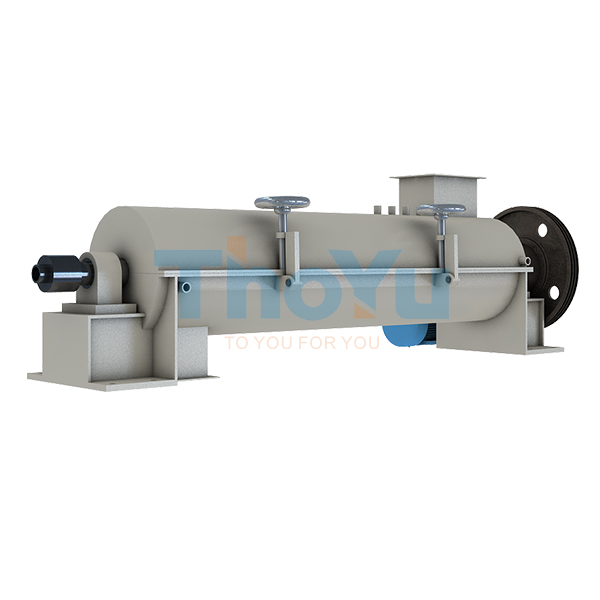
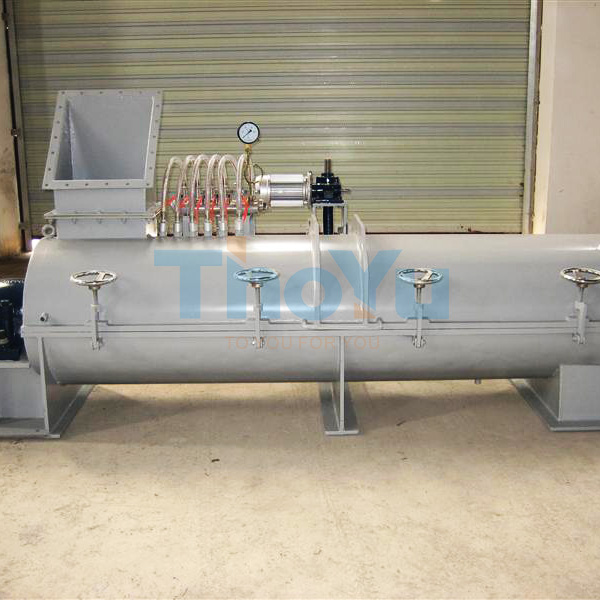
In modern woodworking factories, selecting the right glue mixing equipment directly influences production quality, operational safety, and overall efficiency. The ThoYu industrial-grade woodworking ring-type glue mixer represents a technological advancement, combining optimized capacity, advanced mixing speeds, structural design, and automation level—all contributing decisively to enhanced production workflows.
Core Parameters Impacting Glue Homogeneity and Production Rhythm
The performance of ring-type glue mixers hinges on three main parameters: capacity, mixing speed (rpm), and stirring structure.
- Capacity: Industrial models range from 100 to 500 liters. Larger capacity supports higher batch volumes but risks incomplete mixing without optimized stirring.
- Mixing Speed: Adjustable between 30-120 rpm, speed modulation enables control over glue viscosity and mixing duration. Studies show maintaining rpm within 60-90 yields optimal homogenization for typical woodworking adhesives.
- Stirring Structure: The ring-type design ensures circumferential flow, minimizing dead zones. Configurations with dual helical blades have demonstrated a 15% improvement in uniformity compared to single blade mixers.
Properly balanced parameters result in consistent glue viscosity and prevent curing irregularities that lead to product defects. This ensures a steady production rhythm critical in continuous manufacturing environments like furniture fabrication and panel processing.
Industry Insight: "Choosing a mixer that aligns capacity and speed with your glue specifications reduces rework and material waste by nearly 20%," notes Dr. Helen Carter, a woodworking machinery expert with over 25 years of field research.
Energy Consumption & Maintenance: Comparing Mixer Models Under Continuous Load
Continuous operation demands machines that combine energy efficiency with low maintenance. Comparative data indicate:
| Mixer Model |
Average Energy Consumption (kWh/day) |
Monthly Maintenance Cost (USD) |
Expected Uptime (%) |
| Basic Single-Speed Mixer |
12 |
$400 |
85% |
| Industrial Ring-Type Mixer (ThoYu) |
9 |
$250 |
95% |
| Advanced Automated Mixer |
7 |
$600 |
98% |
The ThoYu ring-type mixer demonstrates a balanced profile, reducing energy usage by 25% over basic models and lowering maintenance costs by nearly 40%, while delivering 95% uptime—an essential factor for production stability.
Adaptability in Typical Woodworking Scenarios
Different woodworking operations demand tailored equipment:
- Furniture Manufacturing: High glue viscosity and batch volumes require stable speed control and high-capacity mixing to maintain consistent bonding quality.
- Panel Processing: Continuous operation favors mixers with superior cooling and overload protection to prevent downtime.
Case studies reveal that ThoYu mixers adapt flexibly with customizable automation modules—from manual to fully automated glue ratio control—allowing factories to optimize based on their operational complexity and workforce skill levels.
Did you know?
Upgrading to a ring-type mixer with integrated automation can enhance production capacity by up to 30%, cutting material waste significantly.
Safety Features & Responsive After-Sales Support: Cornerstones of Operational Stability
Safety is paramount in glue mixing due to volatile solvents and high-temperature processing. Key safety designs include:
- Explosion-Proof Housing: Protects operators and equipment from ignition risks
- Overload Warning Systems: Prevent motor burnout by real-time monitoring torque and temperature spikes
- Automated Emergency Shutdown: Minimizes damage and accelerates incident response
Coupled with these built-in protections, a timely after-sales service with remote diagnostics and on-site repair capability drastically reduces downtime. ThoYu provides globally coordinated support teams ensuring swift troubleshooting and maintenance guidance.
Selecting Your Perfect Ring-Type Mixer: A Decision-Making Framework
Effective selection begins by systematically evaluating:
- Production Volume Requirements: Match capacity to peak batch and continuous mixing demand.
- Glue Properties: Assess viscosity and curing time to optimize stirring speed and blade design.
- Energy & Maintenance Budgets: Balance upfront costs with long-term operational expenses.
- Automation Level: Determine degree of manual intervention acceptable versus desired operational control.
- Safety Compliance: Confirm adherence to industry standards and factory safety protocols.
Employing such a framework reduces the risk of over-specification or underperformance, ultimately improving operational ROI.
What mixing challenges does your factory currently face? Share your thoughts with us!