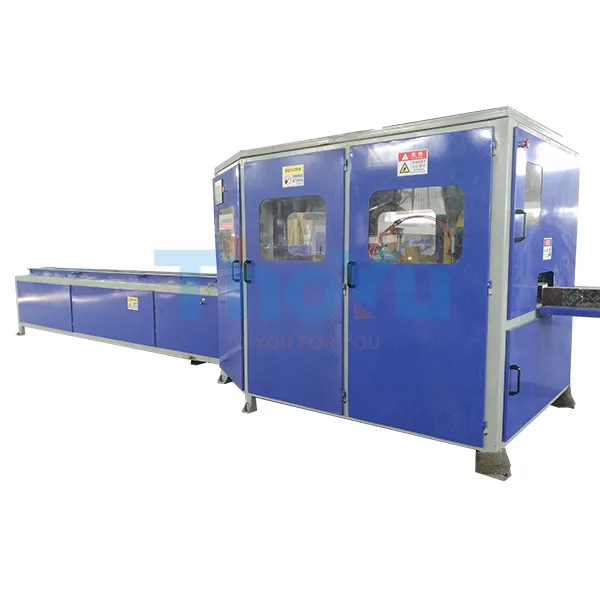
Key Parameters of Industrial Woodworking Ring-Type Glue Mixers and Their Impact on Production Efficiency
30 03,2026
Technical knowledge
This article provides an in-depth analysis of the key parameters and performance indicators of industrial-grade woodworking ring-type glue mixers, focusing on capacity, mixing speed, structural design, and automation levels. By integrating real-world woodworking production demands, it offers scientific evaluation methods supported by data and visual charts to demonstrate the influence of these factors on production efficiency and glue quality. The discussion extends to safety features, energy consumption, and after-sales services, assisting companies in comprehensively understanding equipment characteristics to optimize both efficiency and bonding quality. Case studies and professional data analysis empower users to make precise purchasing decisions, enabling the creation of cost-effective, high-performance, and stable production lines under the ThoYu brand.
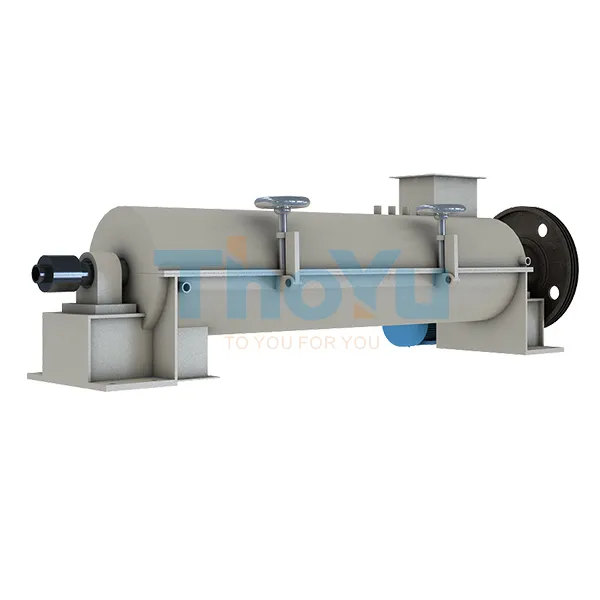
Industrial-Grade Woodworking Ring-Type Glue Mixers: Key Parameters and Their Impact on Production Efficiency
In the woodworking industry, the efficiency and quality of adhesive mixing directly influence product excellence and throughput. The industrial-grade woodworking ring-type glue mixer stands out as a pivotal machine, combining robust mechanical design with automation precision. This article dissects the critical parameters of this equipment—including capacity, mixing speed, structural design, and automation level—delivering a data-driven perspective on how they collectively optimize production efficiency and glue quality.
1. Understanding Core Parameters and Their Roles
The performance of a ring-type glue mixer is contingent on several technical parameters:
- Capacity: Typically ranging from 100 to 300 liters for industrial models, capacity dictates the batch size and directly affects production cycles. Larger volumes improve throughput but require careful control of mixing homogeneity.
- Mixing Speed: Optimal speeds vary between 40 and 120 revolutions per minute (RPM). Higher speeds reduce mixing time but may induce air incorporation, adversely affecting glue quality.
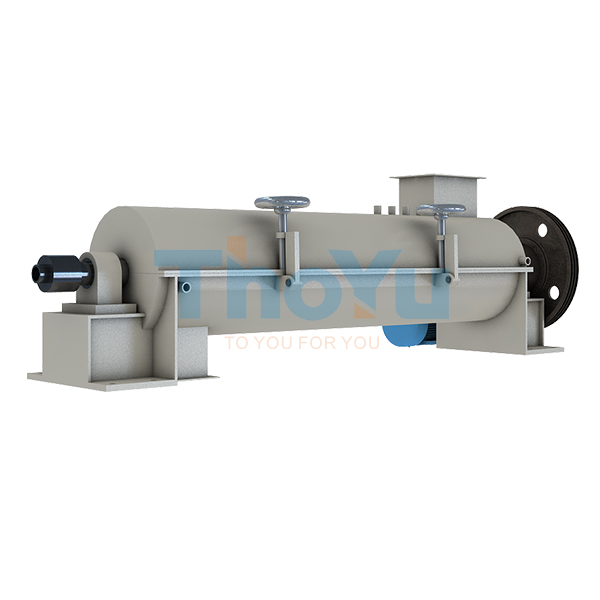
- Structural Design: Ring-type mixers are engineered with concentric rotating arms that enhance the mixing thoroughness. Material selection (e.g., stainless steel 304) ensures longevity and corrosion resistance.
- Automation Level: Integration with PLC control systems facilitates precise parameter adjustment, consistency, and safety features such as emergency stops and overload protection.
The interplay between these parameters determines mixing uniformity and cycle time, which together impact overall manufacturing effectiveness.
2. Comparative Analysis of Performance Metrics
Selecting a ring-type glue mixer must consider the trade-offs between speed and capacity. For instance, a 200-liter mixer operating at 80 RPM achieves about 15% faster cycle times compared to a 150-liter model at 60 RPM, yet the energy consumption may increase by approximately 10%. Manufacturers must balance these factors according to their production scale and energy budgets.
Furthermore, mixers with advanced automation exhibit 20-25% less operator intervention and provide more stable process parameters, which significantly elevate glue consistency and reduce waste.
3. Safety, Energy Consumption, and After-Sales Considerations
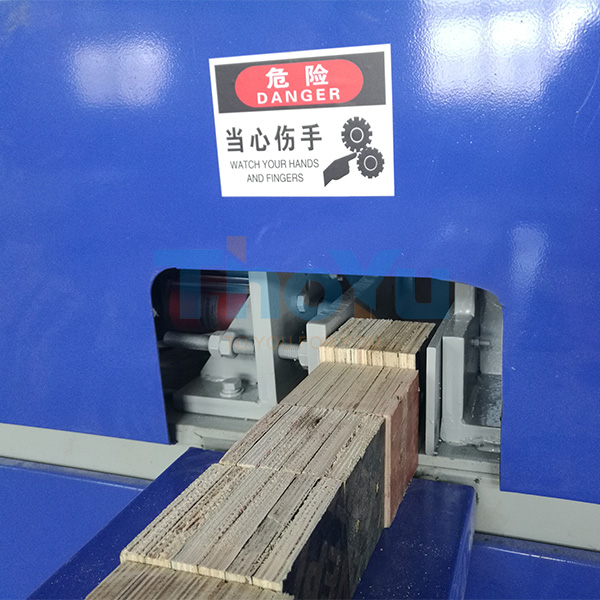
Safety compliance is paramount in industrial environments. Leading mixers incorporate multiple safeguards—such as sealed motor housings, overload sensors, and automatic shutdown in hazardous conditions—to mitigate risks. These features also align with international standards like CE and ISO 13849.
Energy efficiency has become a decisive criterion. Modern ring-type mixers optimize motor load and mixing cycles to reduce power consumption, averaging 2.5 to 4.0 kW per batch depending on size. Efficient models can cut annual energy costs by up to 15% relative to older units.
After-sales service supports sustained productivity. Comprehensive packages include installation guidance, operator training, proactive maintenance plans, and quick spare part availability—elements that minimize downtime and maintain competitive edge.
4. Application Scenarios and Case Studies
Consider a mid-sized furniture manufacturer upgrading their assembly line with a 250-liter ring-type glue mixer featuring PLC automation. Post-installation data revealed:
- Production throughput increased by 18% within three months.
- Glue application consistency improved, reducing rejects by 12%.
- Energy usage per batch decreased by 8% due to optimized cycle control.
Such case studies affirm the importance of aligning mixer parameters to specific production goals and environmental constraints.
5. Strategic Recommendations for Woodworking Enterprises
To optimize production lines equipped with industrial-grade woodworking ring-type glue mixers, enterprises should:
- Assess capacity needs realistically based on batch sizes and frequency to avoid under- or over-sizing equipment.
- Prioritize mixers with adjustable speed settings to fine-tune mixing times without compromising glue quality.
- Choose models with proven automation controls to enhance operational consistency and safety standards.
- Factor in energy consumption benchmarks and after-sales support services for long-term cost-efficiency.
Aligning the selection criteria with production parameters will maximize return on investment and elevate product standards, reinforcing brand reputation.