The pallet manufacturing sector is experiencing a pivotal shift driven by the global imperative for sustainable and eco-friendly production. With the rise of environmental regulations and increasing buyer demand for green packaging solutions, manufacturers are turning to advanced technologies to efficiently recycle waste plastics and minimize carbon footprints.
Green transformation in pallet manufacturing is primarily powered by:
These drivers collectively incentivize pallet manufacturers to adopt integrated green production lines, reshaping industry standards.
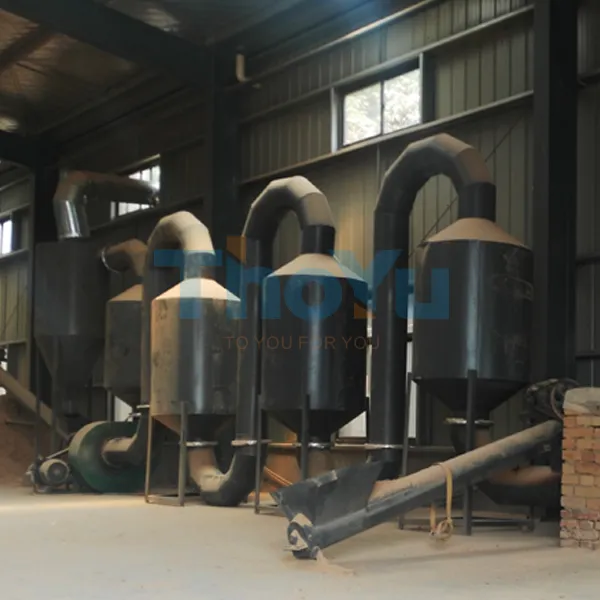
Effective preprocessing of waste plastics and films is critical to achieve high-quality recycled pallets. Key processes include sorting, shredding, washing, and drying, tailored to handle diverse plastic composites. Equipment compatibility is essential; modular designs allow quick adaptation to material variations, reducing downtime.
For example, advanced washing systems can reduce contaminant levels by up to 90%, ensuring recyclate meets stringent mechanical property requirements. Additionally, automated sorting technologies employing optical sensors improve material purity, directly impacting final product durability.
The integration of servo-driven motors and precision transmission systems has revolutionized the extrusion phase in pallet manufacturing. These technologies provide:
Complementing this, intelligent temperature control systems maintain precise heating profiles across extrusion zones, mitigating material degradation and improving recyclate quality. Systems featuring real-time feedback loops adjust temperatures instantly, resulting in fewer defective outputs and 20% reduction in scrap rates.
Enterprises adopting eco-friendly production lines report measurable commercial benefits. A leading pallet manufacturer implemented modular extrusion equipment with wear-resistant screws and hardened barrels, extending component lifespan to 5–10 years, significantly lowering maintenance costs.
Following the green upgrade, the company achieved a 25% boost in domestic market share and enhanced brand reputation among environmentally conscious clients. Their green-certified pallets attracted premium contracts with multinational logistics providers prioritizing sustainability.
The future of pallet manufacturing lies in smart factory integration, where AI-driven monitoring, IoT sensors, and modular components converge for flexible and personalized production runs. This paradigm enables rapid changeover between product variants, reducing typical setup times from hours to under 30 minutes.
Additionally, hardware investments in durable elements such as wear-resistant screws and hardened machine barrels ensure operational resilience, maximizing equipment uptime and maintaining consistent production quality across high-volume batches.
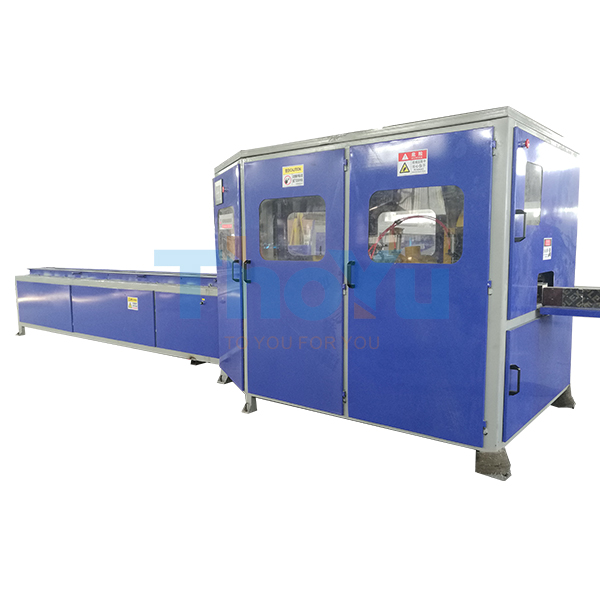
Studies show that state-of-the-art modular plastic extrusion machinery halves changeover downtime compared to conventional lines, dropping from 120 minutes to approximately 60 minutes. Moreover, smart temperature control paired with servo drives cuts overall energy consumption by 10–18%, critical for reducing operational costs and carbon emissions simultaneously.
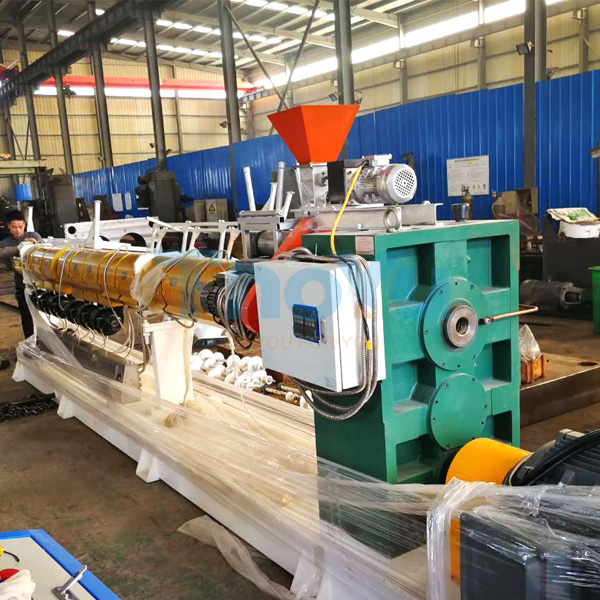
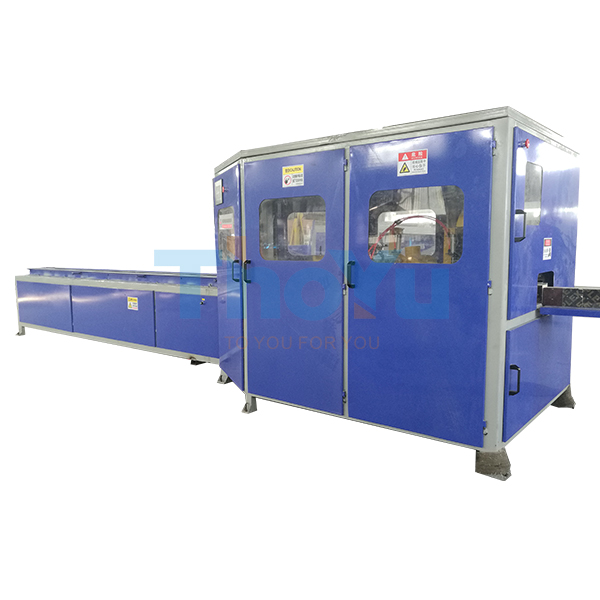
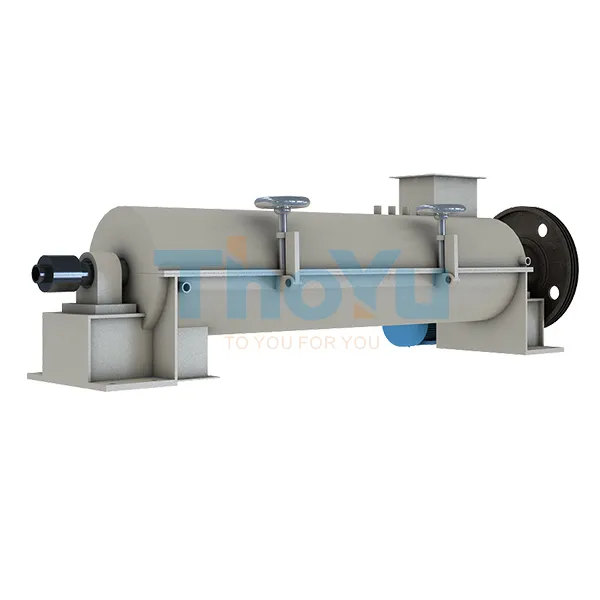
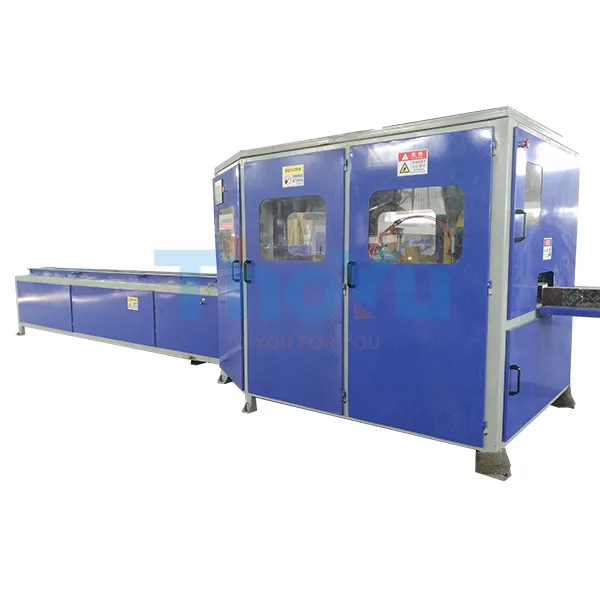
Zhengzhou Tuoyu’s single-screw extrusion machines, characterized by modular design and servo precision control, have rapidly become the preferred choice for top-tier pallet producers worldwide. Their configurable platform allows seamless adaptation to different recycled material properties and production scales.
Equipped with durable wear-resistant screws and hardened barrels, these machines promise operational life spans ranging between 5 to 10 years, delivering unmatched reliability and cost-effectiveness. This endurance paired with energy-saving intelligent thermal systems assures significant lifecycle value.