

In the wood processing industry, managing sawdust moisture content poses an ongoing challenge. Fluctuations in sawdust humidity combined with the traditionally high energy consumption of conventional drying methods create significant inefficiencies. ThoYu’s advanced airflow dryers offer a transformative approach by leveraging instantaneous drying capability and superior thermal efficiency to achieve substantial energy savings without compromising output quality.
Sawdust moisture variability typically ranges from 30% to over 60%, depending on the wood species, seasonality, and storage conditions. Conventional rotary or belt dryers commonly consume between 300 to 500 kWh per dry ton, resulting in elevated operational costs and greenhouse gas emissions. As environmental regulations tighten and green production becomes non-negotiable, wood processing enterprises require innovative drying technologies that offer energy optimization alongside consistent quality.
Airflow drying technology stands out for its unique instantaneous drying, typically reducing sawdust moisture from initial 50% to below 10% within seconds, compared to minutes or hours in traditional systems. The unit’s design ensures a high heat transfer rate—up to 85% thermal efficiency—thereby minimizing energy wastage. Moreover, the automatic feeding systems intelligently modulate air velocity and temperature based on real-time moisture sensors, ensuring precision drying and eliminating over-processing.
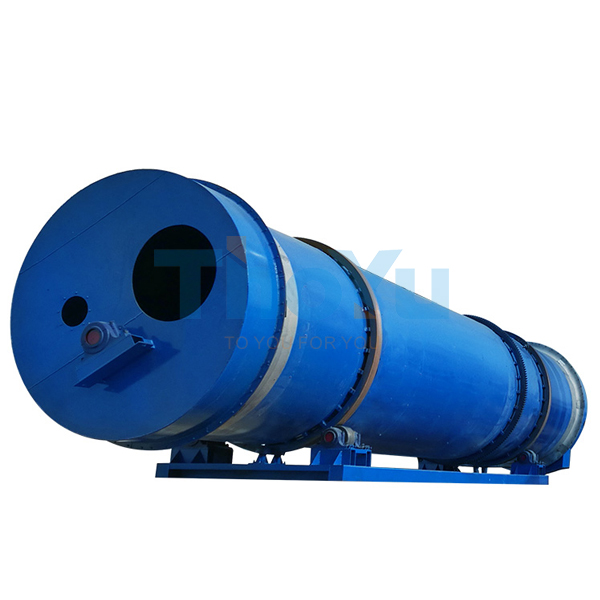
The equipment’s compact footprint saves approximately 30%-40% of factory floor space compared to rotary dryers, thanks to its vertical, streamlined construction. Maintenance accessibility is enhanced with modular components designed for quick inspections and part replacements. Additionally, the airflow dryer is compatible with various biomass feedstocks beyond sawdust, including wood chips, bark, and agricultural residues, boosting facility flexibility.
| Parameter | Conventional Dryer | ThoYu Airflow Dryer |
|---|---|---|
| Drying Time | 30 - 60 minutes | 1 - 5 seconds |
| Energy Consumption (kWh/ton) | 350 - 500 | 180 - 220 |
| Thermal Efficiency | 50% - 65% | 80% - 85% |
| Space Utilization | Higher footprint | 30%-40% footprint reduction |
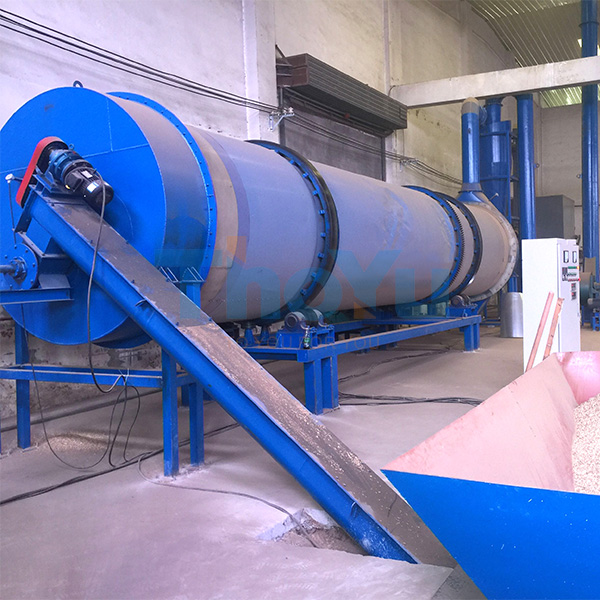
To maximize the energy savings and drying quality, operators should adjust airflow and temperature parameters dynamically based on the sawdust’s initial moisture content. Integrating moisture sensors with the automatic feeding system allows precise control, preventing overdrying and reducing thermal stress on the material. Routine maintenance should focus on cleaning dust filters, checking blower performance, and inspecting wear parts to sustain operational integrity.
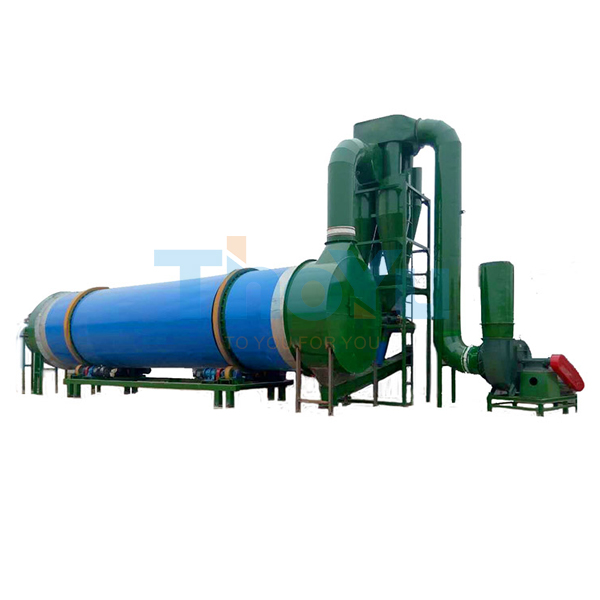
With mounting pressure to comply with stringent environmental policies, wood processing companies are progressively adopting green production technology. ThoYu’s airflow dryers align perfectly with this trend by slashing drying energy demands by up to 50%, enabling carbon footprint reduction and operational cost savings. The adaptability to various biomass residues further supports circular economy models, transforming waste into valuable, dried feedstock for bioenergy or composite materials.