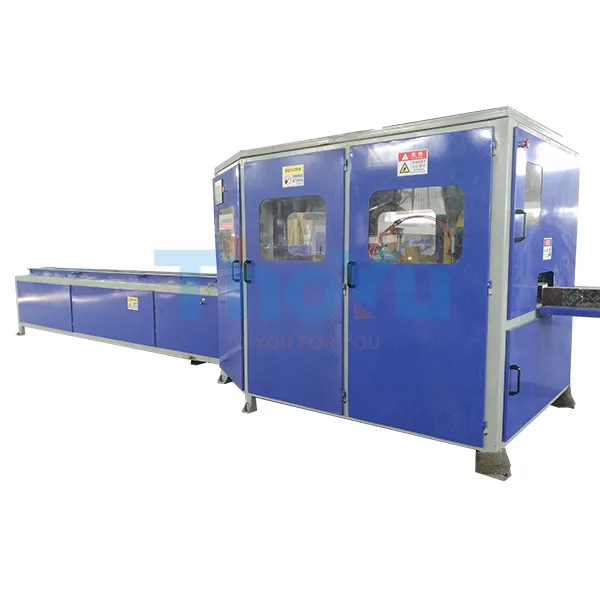
Key Technologies for Efficient Recycling of Waste Packaging Boxes: Wood Crusher Process and Equipment Selection Guide

20 03,2026
ThoYu
Technical knowledge
This article provides an in-depth analysis of the core technologies for efficient recycling of waste packaging boxes, focusing on the wood crusher process and equipment selection. It addresses challenges in recycling old wooden packaging boxes and pallets by detailing crushing process principles, key equipment selection criteria, and fault prevention strategies. The content also explores the downstream applications of wood chips in biomass fuel and recycled panels, demonstrating a sustainable resource loop. Real-world case studies validate practical results, offering comprehensive technical guidance to help environmental companies and logistics centers enhance crushing efficiency and equipment lifespan. Discover how Zhengzhou ThoYu offers advanced integrated wood crushers to transform the recycling industry landscape.
Diagram illustrating wood crusher cutting blade and rotating shaft mechanism

Unlocking the Potential of Waste Packaging Box Recycling: Wood Crusher Technology & Equipment Selection

Efficient recycling of waste packaging boxes remains a pressing challenge for environmental enterprises and logistic hubs striving to achieve sustainable operations. As discarded wooden packaging and pallets pile up, an innovative and optimized approach is critical to minimizing waste and maximizing resource recovery. The wood crusher, as a core technological asset, offers environmental professionals a path to elevate the efficiency of particle size reduction while preserving equipment longevity and energy consumption.

Fundamentals of Wood Crushing Technology

At the heart of transforming abandoned wooden packaging lies the pulverization process governed by intricate physical principles. The wood crusher employs a combination of impact and shear forces, where high-speed rotating blades synergize with optimized cutter geometry. This harmonization directly affects throughput, particle size uniformity, and downstream usability of the recovered materials.

Matching the rotational speed to the sharpness and hardness of the cutting blades is essential. Over-speeding induces unnecessary energy consumption and blade wear, whereas underspeeding leads to suboptimal fragmentation and potential blockages.

Key Equipment Selection Criteria

The comprehensive choice of a wood crusher must factor several variables tailored to operational demands:

  • Blade Material and Durability: High-grade alloy steel or carbide coatings ensure extended lifespan and reduce maintenance frequency, critical in processing hardwood pallets.
  • Motor Power and Energy Efficiency: Power ratings between 15kW to 75kW typically balance throughput with green energy consumption. Selection depends on the volume and wood density processed daily.
  • Maintenance & Accessibility: Ease of blade replacement, lubrication systems, and fault-diagnosis sensors stave off downtime and augment operation stability.

Integrating sensors for real-time fault monitoring and automatic shutdown protocols can increase the uptime by up to 20%, according to industry benchmarks.
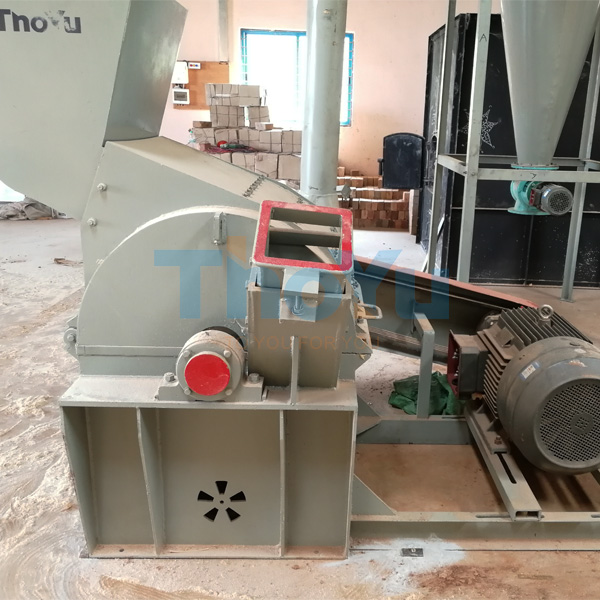
Diagram illustrating wood crusher cutting blade and rotating shaft mechanism

Preventive Maintenance and Fault Management

Operational longevity hinges on a preventive maintenance schedule informed by typical wear patterns and fault diagnostics. Common malfunctions such as blade deformation, motor overheating, and feed clogging can be greatly mitigated with regular inspection and lubrication cycles. Deploying predictive maintenance algorithms, supported by IoT sensors, can reduce unexpected breakdowns by approximately 30%, optimizing operational continuity and protecting capital investment.

Sustainable Utilization of Processed Wood Residues

Beyond mechanical efficiency, the value chain extends into the application of crushed wood residues. Primarily, the resultant wood chips have strong applicability for:

  • Biomass Fuel Production: Generating renewable energy pellets for residential and industrial use, reducing reliance on fossil fuels and promoting a cleaner energy footprint.
  • Manufacturing Recycled Panels: Wood chips serve as a feedstock for particleboard and MDF panels, closing the recycling loop and fostering circular economy principles.

Recent case studies from environmental logistics centers highlight efficiency gains exceeding 25% in material recovery rates through the application of Zhengzhou ThoYu's integrated wood crusher technology, underlining its leadership in green recycling innovation.
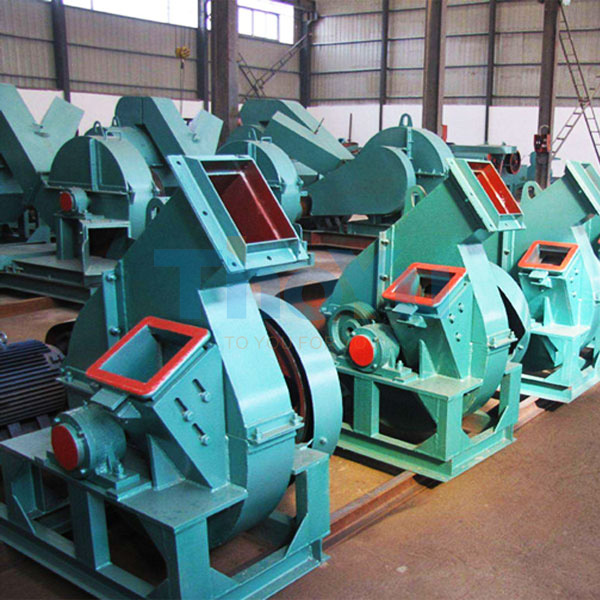
Industrial biomass pellets and recycled wood panels produced after wood crushing process

Industry Case Insight: Transforming Recycling with ThoYu's Integrated Wood Crusher

One prominent example involved a regional logistics center struggling with bulky pallet waste accumulation. After deploying the ThoYu comprehensive wood crusher, featuring patented low-energy consumption motors and embedded fault diagnostics, the center reported:

  • A 30% reduction in downtime due to intelligent fault prevention protocols.
  • A 40% increase in throughput capacity without energy spike.
  • Improved end-product uniformity, directly benefiting biomass pellet quality.

This technological leap fostered a measurable decrease in landfill dependency and boosted the circular recovery value chain by capitalizing on waste wood as an economically viable raw material.
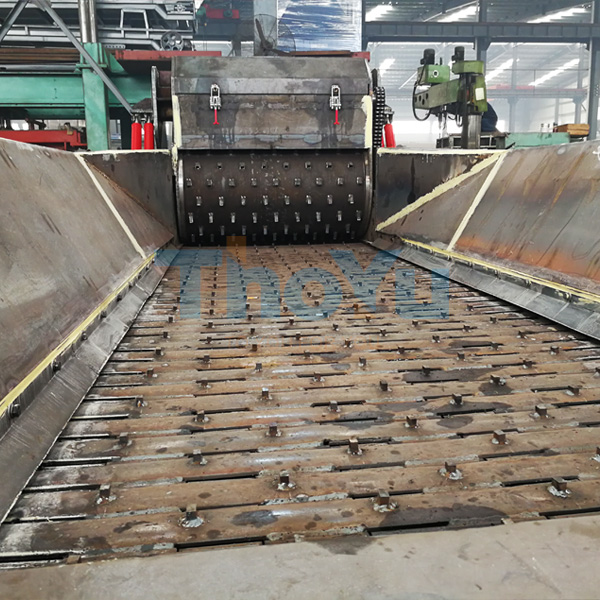
ThoYu wood crusher operational demonstration at a recycling site
Discover how ThoYu’s advanced wood crusher technology can revolutionize your packaging box recycling process. Explore the full capabilities and boost your operational efficiency now.
Name *
Email *
Message*

Recommended Products

Popular articles
Recommended Reading

Related Reading

Contact us
Contact us
https://shmuker.oss-cn-hangzhou.aliyuncs.com/tmp/temporary/60ec5bd7f8d5a86c84ef79f2/60ec5bdcf8d5a86c84ef7a9a/thumb-prev.png