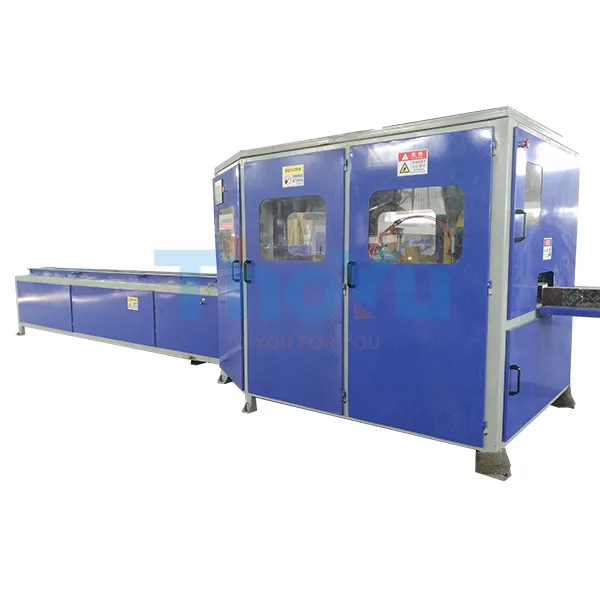
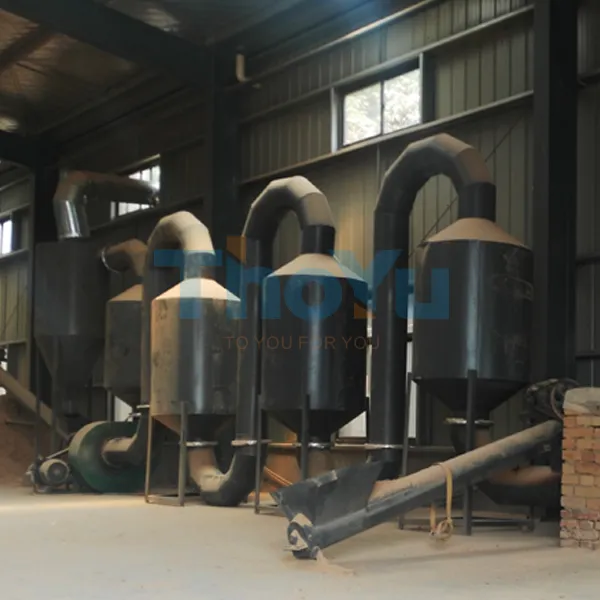
The drying of sawdust presents a consistent challenge for wood processing industries worldwide. Conventional drying methods often lead to uneven moisture content and significantly high energy consumption, resulting in increased operational costs and environmental impact. Addressing these difficulties requires a technological breakthrough that balances drying efficiency with energy conservation — a gap effectively bridged by the innovative ThoYu airflow dryer.
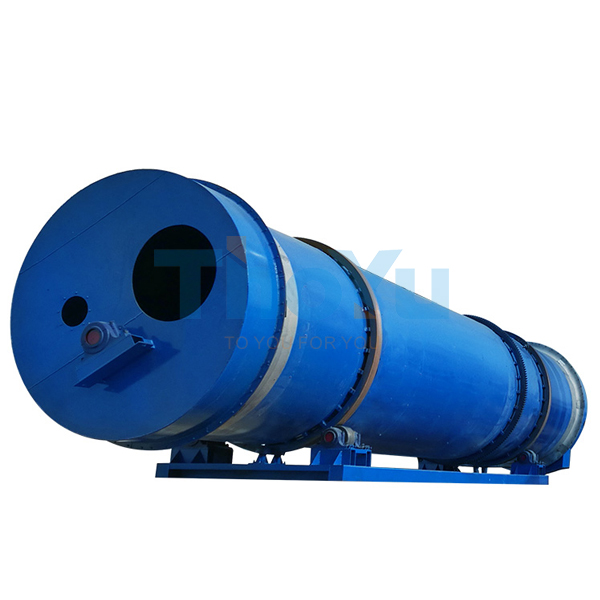
Traditional drying techniques such as rotary drum dryers or conveyor dryers often encounter major challenges:
These inefficiencies not only inflate cost but also hinder compliance with increasingly strict environmental regulations. Consequently, manufacturers seek solutions capable of delivering precise moisture control and significantly reducing energy usage without compromising throughput.
Airflow drying leverages the principle of fluidized bed drying where hot air at high velocity suspends sawdust particles, enabling rapid and uniform moisture evaporation. Key advantages of this technology include:
The automatic feeding system integrated with ThoYu's airflow dryer plays a pivotal role by measuring real-time moisture content and precisely adjusting feed rates. This dynamic feedback mechanism avoids the prevalent issues of over- or under-drying by maintaining consistent moisture levels tailored to customer specifications.
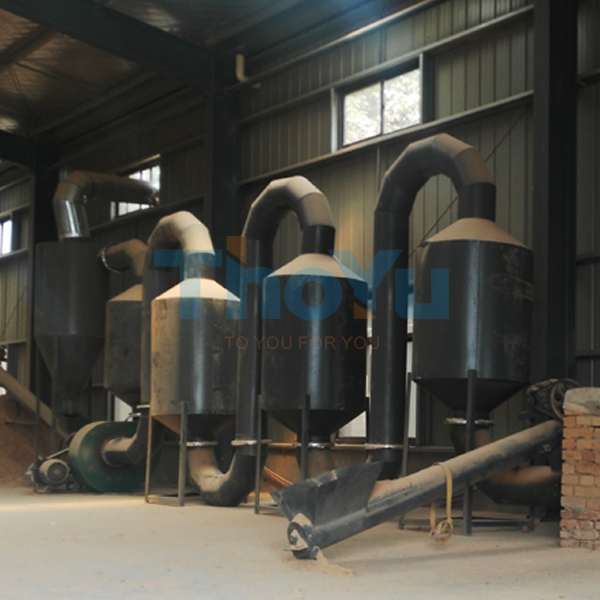
The space constraints commonly faced by modern production facilities are expertly addressed by ThoYu's compact airflow dryer design. Footprint reductions of up to 40% compared to rotary dryers enable easier integration into existing plant layouts. Furthermore, modular construction facilitates rapid assembly, inspection, and maintenance — significantly reducing downtime and labor costs.
Easy access panels and automated fault detection systems further streamline operational reliability, ensuring consistent production runs with minimal manual intervention.
Industrial deployments of ThoYu airflow dryers highlight tangible economic and environmental benefits. For instance, a mid-sized wood pellet manufacturer in Europe reported:
| Metric | Traditional Dryer | ThoYu Airflow Dryer | Improvement |
|---|---|---|---|
| Drying Time (min) | 60 | 8 | -87% |
| Energy Consumption (kWh/ton) | 280 | 160 | -43% |
| Moisture Uniformity (%) | ±7% | ±2% | Improved |
These figures underscore the economic benefits of adopting ThoYu’s airflow drying technology—significantly reducing operational costs while enhancing product quality and minimizing environmental footprint.
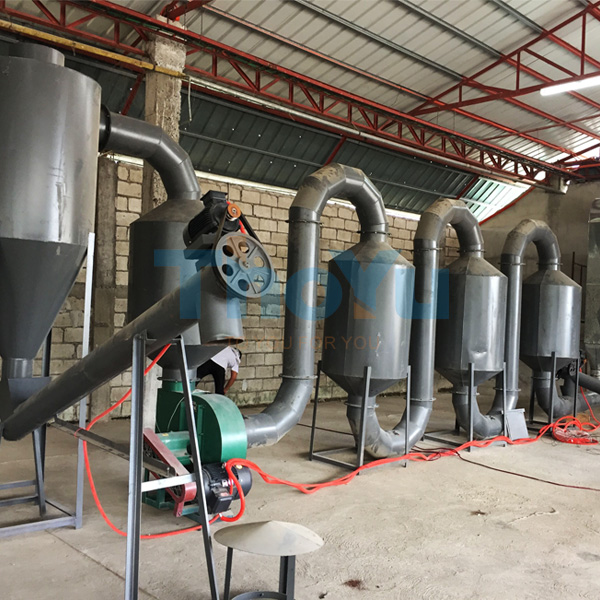
To maximize efficiency and extend equipment lifespan, manufacturers should consider the following recommendations:
Incorporating these operational protocols ensures stable drying performance while supporting the company's green manufacturing initiatives.
Embracing airflow drying technology is a strategic step for wood-processing enterprises aiming at sustainable development. ThoYu’s expertise in crafting high-efficiency, low-energy sawdust drying solutions aligns perfectly with the global shift towards green transformation and regulatory compliance.