Efficient and Energy-Saving Sawdust Drying Solutions with ThoYu Airflow Dryers

23 03,2026
ThoYu
Application Tips
Inconsistent moisture content in sawdust poses significant challenges to wood processing efficiency, leading to increased energy consumption and environmental burdens. This article explores Zhengzhou ThoYu Electromechanical Equipment Co., Ltd.'s advanced airflow dryer, highlighting its instantaneous drying technology, superior thermal efficiency, and intelligent automatic adjustment systems that ensure efficient and energy-saving sawdust drying. Detailed analysis of the equipment's structural advantages, multi-material adaptability, and real-world application cases demonstrate its role in enhancing production performance while supporting sustainable green transformation in the wood processing industry. Practical operation tips and maintenance guidelines are provided to help businesses achieve low-carbon production and cost-effective drying solutions, unlocking a new dimension in industry upgrading.
ThoYu airflow dryer installed in a wood processing plant showcasing compact design and operational efficiency

Unlocking Efficiency in Sawdust Drying: The Advanced Airflow Dryer by ThoYu

Maintaining consistent moisture content in sawdust presents a significant challenge for wood processing industries worldwide. Fluctuations not only hamper downstream processes but also escalate energy consumption and environmental concerns. Traditional drying methods often fall short in delivering stable, energy-efficient results, driving the demand for innovative solutions. ThoYu’s cutting-edge airflow dryer offers a breakthrough by employing instantaneous drying technology combined with intelligent systems to revolutionize sawdust drying — boosting productivity while aligning with green manufacturing imperatives.

Challenges of Sawdust Moisture Variability and Conventional Drying Limitations

Inconsistent sawdust moisture levels — often ranging between 30% to 60% depending on wood type and cutting conditions — disrupt drying uniformity and subsequent pelletizing or combustion processes. Traditional cabinet or rotary dryers typically rely on prolonged heating cycles, resulting in:

  • High energy consumption — drying an average batch (2 tons) can consume up to 150 kWh of electricity.
  • Uneven drying, causing under-dried pockets or overheating risks.
  • Large equipment footprint limiting factory flexibility.
  • Complex maintenance and increased downtime due to mechanical wear.

These factors collectively suppress operational efficiency and increase carbon emissions, conflicting with sustainability goals.

ThoYu’s Airflow Dryer: Core Technologies Driving Efficiency

ThoYu’s airflow dryer integrates several advanced technologies for optimized sawdust drying:

  • Instantaneous Drying Technology: High-velocity hot air flows through the sawdust, accelerating moisture evaporation within seconds rather than hours. This leads to throughput increases of up to 30% compared to traditional methods.
  • High Thermal Efficiency: The system employs insulated heating loops and precise temperature controls reaching up to 180°C, minimizing heat loss and achieving thermal efficiency above 85%, surpassing industry averages of 65%-70%.
  • Automated Feeding and Discharge System: Equipped with sensors to continuously monitor sawdust moisture levels, the system dynamically adjusts air velocity and drying time. This smart regulation effectively avoids risks of over-drying or residual wetness, ensuring stable output with moisture variance controlled within ±2%.

Innovative Structural Design and Operational Benefits

The compact modular design occupies 25% less floor space compared to conventional rotary dryers, allowing existing production lines to retrofit with minimal reconfiguration. Modular panels and easily accessible components reduce maintenance time by 40%, supported by an intuitive PLC interface providing real-time diagnostics and predictive alerts.

Parameter ThoYu Airflow Dryer Traditional Rotary Dryer
Drying Time (per batch) 15–20 minutes 45–60 minutes
Thermal Efficiency > 85% 65%–70%
Energy Consumption (kWh/ton) 50–60 120–150
Footprint Reduction 25% smaller Standard

Field Applications and Sustainability Impact

In collaboration with multiple mid-sized wood processing plants in North America and Europe, ThoYu’s airflow dryer demonstrated consistent reduction in carbon footprint by 35% annually, while maintaining stable sawdust moisture content under 10%. This directly translates into enhanced pellet quality and lower emissions during biomass combustion.
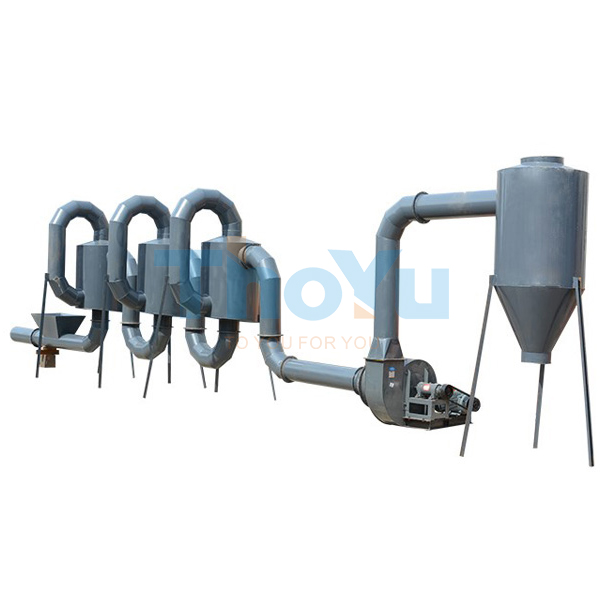
ThoYu airflow dryer installed in a wood processing plant showcasing compact design and operational efficiency

Experts from the Wood Biomass Association acknowledge airflow drying as a promising technology to align industrial productivity with low-carbon strategies. By integrating automatic moisture monitoring and dynamic air flow modulation, ThoYu’s solution mitigates typical drying inefficiencies that lead to excessive energy use and product inconsistency.

Operational Best Practices and Maintenance Tips

To maximize the lifespan and performance of the airflow dryer, operators are advised to:
  • Regularly clean heat exchange surfaces monthly to maintain optimal thermal transfer.
  • Calibrate moisture sensors biannually for accuracy, ensuring intelligent feed adjustments.
  • Implement scheduled lubrication for moving parts, reducing mechanical breakdown risks.
  • Avoid overly fine sawdust particles that can clog airflow pathways—use recommended particle size distributions between 1-5 mm.
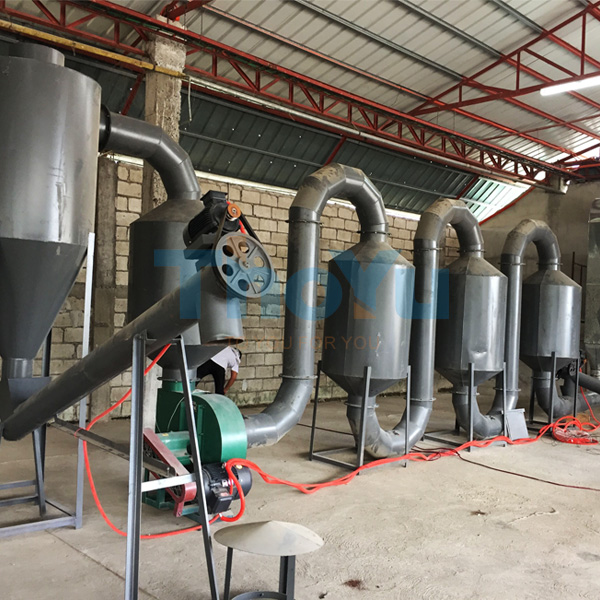
Close-up of ThoYu airflow dryer’s automatic feeding system ensuring stable sawdust moisture control

Versatility Across Multiple Biomass Materials

Beyond sawdust, the system adeptly dries a variety of biomass residues such as rice husks, peanut shells, and coffee grounds, with moisture content adjustments ranging from 25% up to 60%. This multi-material adaptability positions the airflow dryer as a scalable solution for diversified biofuel producers and wood product manufacturers pursuing green transformation.

Charting a Green Future with ThoYu Airflow Drying Technology

As regulatory frameworks tighten and eco-conscious consumers demand sustainable products, deploying efficient, low-emission drying technology becomes critical. ThoYu’s airflow dryer answers this call with proven energy savings, reduced carbon output, and improved product consistency — a compelling proposition that not only addresses the sawdust drying challenge but also empowers enterprises on their green transition journey.
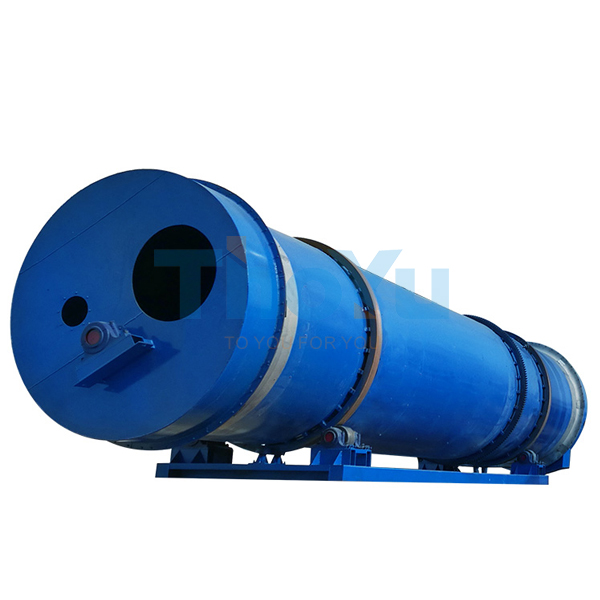
Graph comparing energy consumption and CO2 emissions between airflow dryers and conventional methods, highlighting ThoYu’s efficiency
Name *
Email *
Message*

Recommended Products

Popular articles
Recommended Reading

Related Reading

Contact us
Contact us
https://shmuker.oss-cn-hangzhou.aliyuncs.com/tmp/temporary/60ec5bd7f8d5a86c84ef79f2/60ec5bdcf8d5a86c84ef7a9a/thumb-prev.png