
As global regulations tighten around carbon emissions—especially in manufacturing sectors like wood processing—companies are under increasing pressure to adopt sustainable practices. In fact, the European Union’s Industrial Emissions Directive (IED) and China’s “Dual Carbon” goals have made green production not just a trend but a compliance necessity.
Traditional wood shredders often consume excessive energy and emit high levels of CO₂. On average, older models use 40–60% more fuel per ton of processed material compared to modern eco-design equipment. This inefficiency doesn’t just harm the environment—it increases operating costs and reduces competitiveness in international markets.
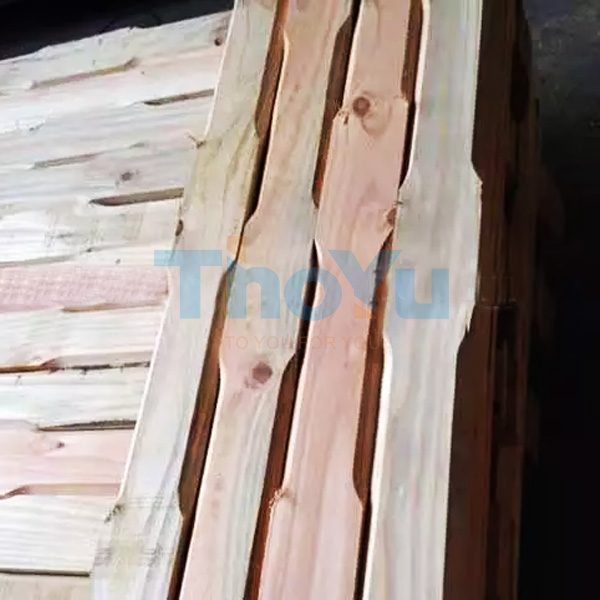
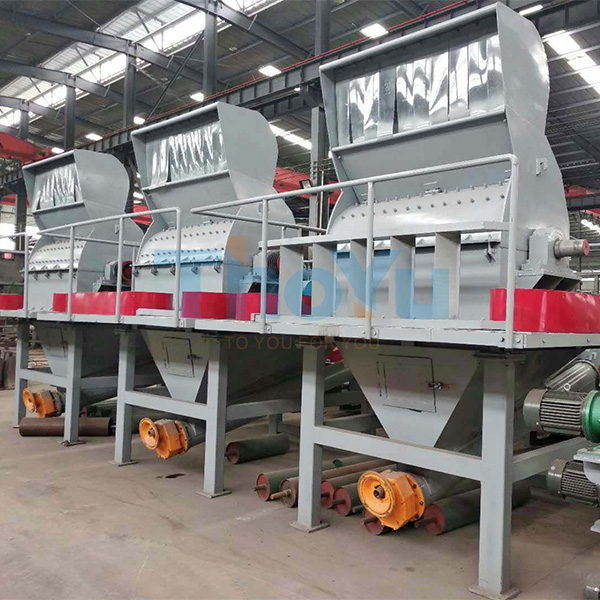
The TYFS series wood shredders—available in three models (TYFS-600, TYFS-800, TYFS-1000)—are engineered for both performance and sustainability. Their unique dual-action mechanism combines hammer impact with controlled friction from hardened steel teeth, ensuring minimal energy loss while maximizing output quality.
Each model offers diesel or gasoline power options, allowing flexibility based on regional availability and operational needs. For instance, one sawmill in Poland reported a 35% reduction in fuel usage after switching to the TYFS-800, translating into an annual savings of €7,200 in energy costs—without sacrificing throughput.
“We used to burn through wood waste as landfill. Now, with the TYFS-1000, we turn it into premium mulch and biofuel feedstock. It’s not just cleaner—it’s smarter.”
— Maria Kowalski, Operations Manager at Baltic Timber Solutions
Designed for durability, these machines feature reinforced frames, wear-resistant components, and easy-access maintenance points. Field tests show they maintain over 92% efficiency even after 1,500 hours of continuous operation—a significant improvement over legacy units that typically degrade beyond 70% after 800 hours.
For businesses aiming to meet ISO 14001 standards or qualify for green procurement contracts abroad, investing in a certified eco-shredder isn't just responsible—it's strategic. By transforming waste wood into usable resources, companies reduce disposal fees, lower emissions, and enhance their brand reputation globally.
Whether you're exporting timber products to Germany, supplying furniture makers in the UAE, or targeting EU-based biomass plants, the TYFS series helps you stay compliant, competitive, and future-ready.
Discover how the TYFS series can help your business cut emissions, boost efficiency, and unlock new revenue streams from wood waste.
Let’s Turn Waste Into Value →