

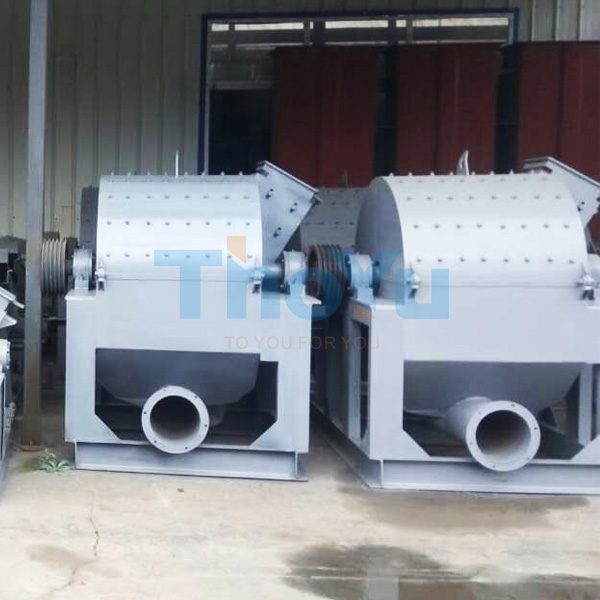
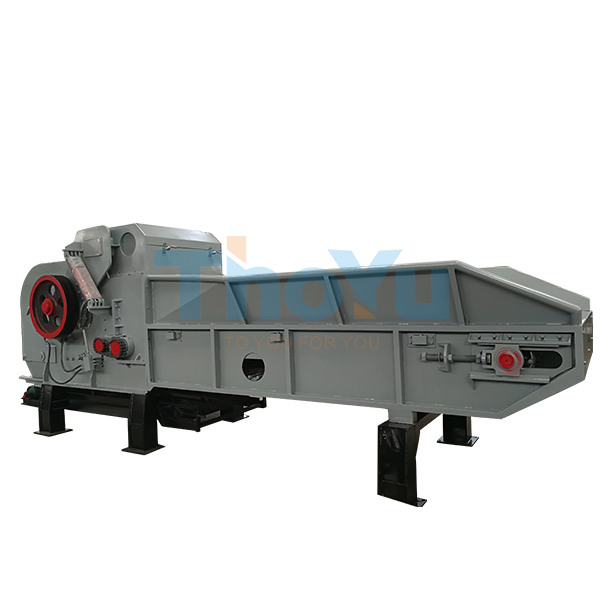
In the realm of agricultural waste management, crop straw poses a significant challenge due to its high moisture content. Traditionally, drying has been a mandatory step before crushing straw, causing substantial energy consumption and process inefficiencies. However, Zhengzhou Tuoyu Electromechanical’s pioneering heavy-duty wood crusher breaks this paradigm by enabling direct crushing of wet crop straw without pre-drying. This technical advancement not only drastically reduces energy usage but also streamlines production workflows for biomass pellet manufacturing and wood-based panel industries.
At the heart of this innovation lies a unique internal chamber design combined with strategically arranged cutting blades. The crusher’s cavity layout is meticulously engineered to adapt dynamically to moisture-rich crop residues. Unlike conventional crushers, which rely on dry feedstock to prevent clogging and inefficient cutting, this design leverages an optimized blade geometry and spatial distribution, enabling the blades to exert consistent shear forces despite high water content.
The cutting elements are crafted from wear-resistant alloys and positioned to maintain continuous contact with the material, effectively slicing through both fibrous and damp components. This eliminates pluggage, a common bottleneck in wet material processing, allowing for uninterrupted, high-throughput operation.
The physical mechanism underpinning the no-dry approach involves intricate material flow patterns within the rotating chamber. High-speed rotation generates a controlled centrifugal force, compelling the wet straw to follow a predictable trajectory that maximizes exposure to blade shear zones. This ensures mechanical disintegration primarily via cutting and tearing rather than compressive crushing, which is ineffective on moist material.
Computational fluid dynamics (CFD) simulations conducted during the design phase revealed uniform shear force dispersal along the straw feed path, preventing hotspots that typically cause blade wear or jamming. This balanced force distribution is a key factor enabling stable operation without the drying prerequisite.
The technology’s effectiveness has been rigorously validated through multiple deployment projects:
These case studies collectively demonstrate the substantial energy efficiency gains and operational resilience made possible by this technology.
Conventional crushing lines necessitate drying crop straw to moisture levels below 15%, which demands complex, energy-intensive drying equipment and prolongs throughput cycles. This results in higher carbon footprints, elevated production costs, and increased mechanical failures due to prolonged exposure to abrasive dry dust particles.
In contrast, the no-dry technology circumvents these issues by processing straw directly at moisture contents up to 50%, significantly slashing energy bills and reducing equipment maintenance frequency. Moreover, continuous operations mitigate production bottlenecks common with batch-drying systems.
Beyond industrial efficiency, this technology contributes to broader environmental goals. By eliminating drying, it lowers fuel consumption, cutting greenhouse gas emissions by an estimated 15-20% per ton of processed straw. Additionally, enabling comprehensive utilization of agricultural residues supports rural circular economies through enhanced resource recovery and waste minimization.
The ability to process diverse biomass types onsite promotes decentralized energy production and bio-based manufacturing, aligning with global carbon reduction commitments and sustainable development frameworks.
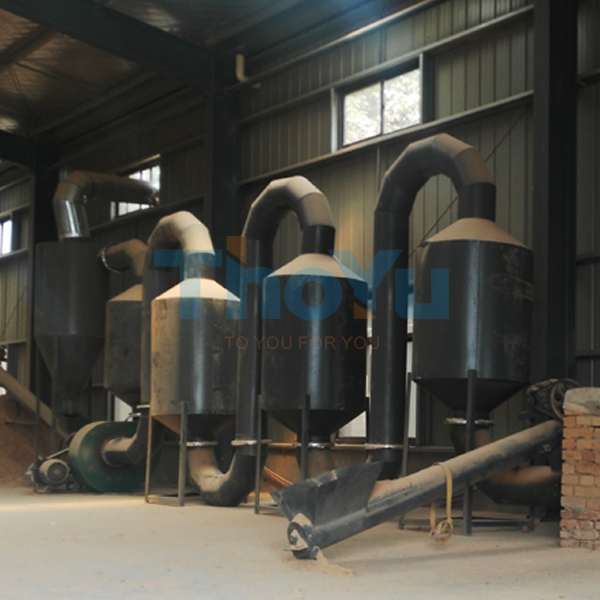
A structural cutaway diagram illustrates the key components enabling this advanced functionality:
“By integrating this no-dry crushing technology, our biomass pellet plant experienced unprecedented operational smoothness and energy savings – it's a true game changer.” – Production Manager, GreenField Pellets Ltd.