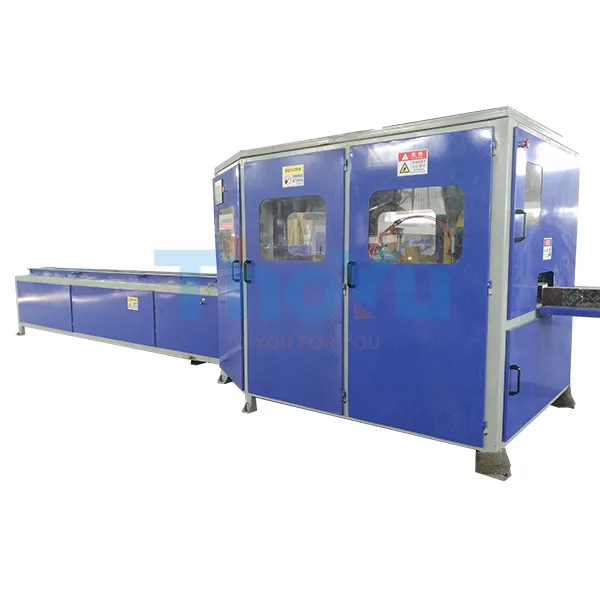
Efficient Drum Wood Chippers: Elevate Pallet Raw Material Quality and Boost Production

23 01,2026
ThoYu
Solution
How can pallet manufacturing enterprises efficiently process wood raw materials? This article provides an in-depth analysis of drum wood chippers and their pivotal role in enhancing raw material quality and production efficiency. From the machine’s structural advantages like hydraulic cover plates and adjustable screens to real-world performance data, we help you assess the investment value—ensuring every wood chip becomes the foundation of high-efficiency production.
Hydraulic cover plate on drum wood chipper improving chip consistency for pallets

How to Choose an Efficient Drum Wood Chipper to Elevate Your Pallet Raw Material Quality

As a decision-maker in the pallet manufacturing industry, you’re well aware that raw material consistency and quality directly influence your final product and operational costs. But are your current wood chip processing methods truly maximizing efficiency and output quality? Investing in the right drum wood chipper can be a game-changer. This guide walks you through how a high-performance drum wood chipper optimizes your raw materials, boosts throughput, and ultimately drives stronger profit margins.

1. Addressing Pallet Manufacturing Challenges: Raw Material Supply Variability & Chip Inconsistency

One of the biggest hurdles in pallet production lies in unstable raw wood supply and inconsistent chip size, which disrupt post-chip processing such as pressing and drying. Variations in wood chip uniformity cause uneven pallet strength and may increase rejection rates or require costly rework.

To overcome these bottlenecks, your wood chipper must deliver:

  • Consistently uniform chip size tailored to pallet making standards
  • Robust capability to process variable feedstock dimensions
  • Efficient throughput to match your production schedules

2. Understanding Drum Wood Chipper Design Highlights

Drum wood chippers stand out for their unique structural and operational advantages. Key design features to look for include:

  • Hydraulic cover plate: Allows precise pressure adjustment on raw material, improving chip consistency and facilitating maintenance.
  • Adjustable screen: Enables control over chip size by switching or customizing the perforation pattern, adapting to different pallet specifications.
  • Heavy-duty steel construction: Ensures resilience against wear and prolongs equipment lifespan amid demanding workloads.

Equipped with a variable frequency drive motor, these machines can dynamically adjust motor speed, reducing energy consumption by approximately 15-25% compared to fixed-speed alternatives and adapting to fluctuating production volumes.

3. Quality Benefits: Uniform Wood Chips for Superior Pallet Performance

With consistent chip size distribution—typically within a narrow range of 5 to 15 mm diameter—you will notice significant improvements in:

  • Improved compressibility and bonding in pallet pressing processes
  • Reduced energy and drying time requirements
  • Lower rejection and waste rates

Additionally, drum chippers can handle a variety of raw materials such as hardwood, softwood, and forest residues, without frequent blade changes, enabling flexible supply management.
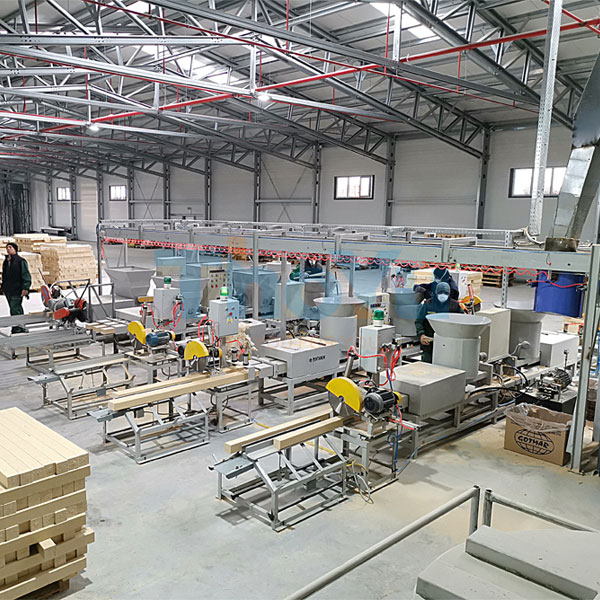
Hydraulic cover plate on drum wood chipper improving chip consistency for pallets

4. Data-Driven Insights: Throughput, Feed Size Range & Energy Savings

When evaluating options, pay close attention to performance metrics such as:

Metric Typical Performance
Max Feed Diameter Up to 300 mm (12 inches)
Output Capacity 5-15 tons/hour (varies by model)
Power Consumption 15-25% reduction with variable frequency drive

These data points serve as objective benchmarks when comparing machinery from different manufacturers and assessing return on investment timelines.
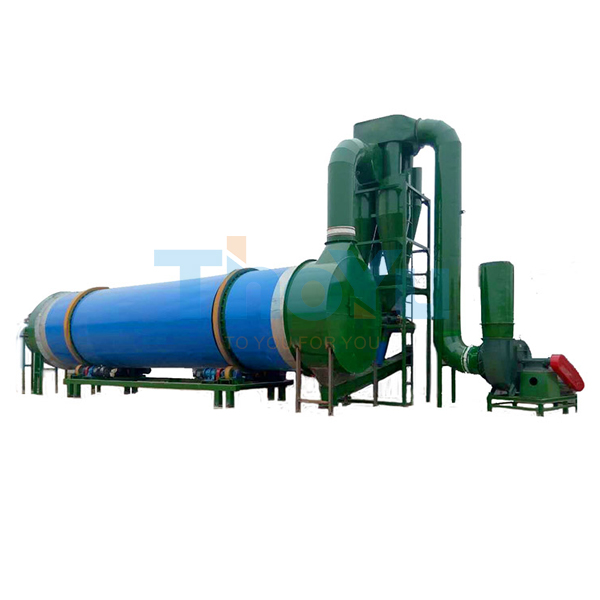
Drum wood chipper throughput and energy efficiency statistics for pallet manufacturing

5. Real-World Impact: Case Study of a Pallet Factory’s 30% Capacity Boost

After upgrading to a modern drum wood chipper with hydraulic feed control, a mid-sized pallet manufacturer in the Midwest reported:

  • 30% increase in daily chip output capacity, rising from 10 tons to 13 tons per shift
  • Significant reduction in chip size variability, improving downstream pressing consistency
  • Waste material decreased by 18%, lowering raw material costs and landfill impact
  • Energy bills cut by approximately 20%, thanks to the variable frequency motor

This translated into smoother production flow, improved product quality, and a healthier profit margin.
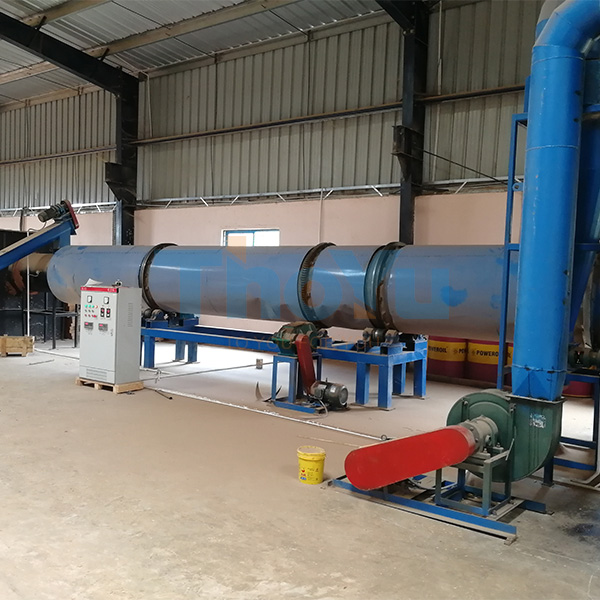
Mid-sized pallet manufacturing facility using drum wood chipper showing increased capacity and reduced waste

Is Your Factory Facing Wood Chip Processing Challenges?

Do you struggle with irregular chip sizes or frequent equipment downtime? Have you considered how a technology upgrade could stabilize your raw material feed and improve pallet durability? We’d love to hear about your specific pain points and help you explore tailored solutions. Leave a comment below or contact us directly to start a conversation.

Name *
Email *
Message*

Recommended Products

Popular articles
Recommended Reading

Related Reading

Contact us
Contact us
https://shmuker.oss-cn-hangzhou.aliyuncs.com/tmp/temporary/60ec5bd7f8d5a86c84ef79f2/60ec5bdcf8d5a86c84ef7a9a/thumb-prev.png