In wood processing lines, drying wood shavings looks simple on paper—until moisture swings, dust load, and heat losses start to erode productivity. Many plants struggle with the same trio of issues: high energy consumption, uneven drying, and limited installation space. Those problems are not just operational headaches; they ripple into pellet quality, storage stability, and downstream equipment reliability.
This article objectively breaks down how a compact rotary drum dryer for wood shavings (by Zhengzhou Tuoyu Electromechanical Equipment Co., Ltd.) tackles these constraints through a slightly inclined rotating drum, direct hot-air contact drying, and a high-efficiency cyclone dust collection setup—helping many users reach <10% final moisture while targeting 30%–50% energy savings under typical operating conditions.
Wood shavings are light, irregular, and often contain a mix of particle sizes. This creates air channeling inside many dryers: hot air finds the easiest path, leaving “cold pockets” where shavings remain damp. When operators raise temperature to compensate, the process may trigger:
The real target is not “maximum temperature,” but maximum heat utilization—getting more of the hot air’s energy into the shavings, evenly, in a controlled residence time.
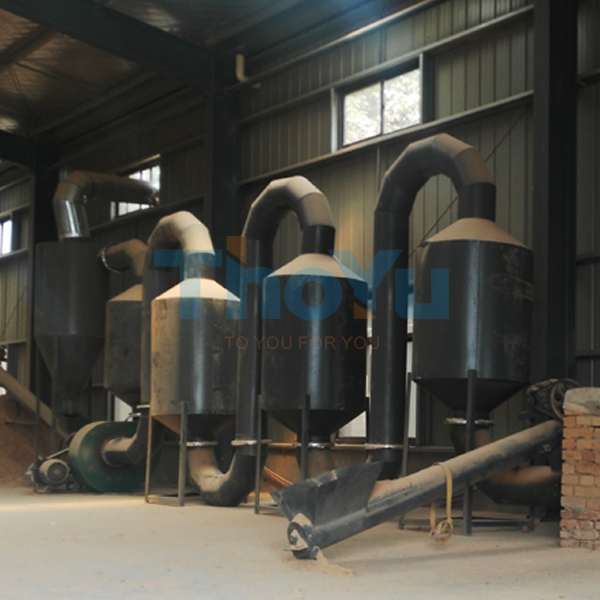
The compact rotary drum dryer uses a slightly inclined horizontal drum that rotates steadily, allowing wood shavings to move forward continuously. Instead of relying on indirect heating surfaces, it applies direct contact between hot air and material, which is widely recognized as one of the most effective drying methods for biomass with variable particle sizes.
Slightly inclined drum — supports stable, continuous movement, reducing pile-up and dead zones.
Internal lifting flights (fins) — repeatedly lift and “shower” shavings through the airflow, increasing contact area and improving heat exchange.
Direct hot-air flow path — enhances convective drying efficiency and helps equalize moisture across particle sizes.
For procurement and engineering teams, the value is practical: the system is designed to reduce moisture variance in the discharge—not just hit an average moisture number.
Energy efficiency in a wood shavings dryer is mainly determined by how much heat is transferred into the material before it leaves with exhaust air. In many traditional setups, exhaust temperature remains high, indicating usable heat is being wasted.
| Metric | Typical Range | Why It Matters |
|---|---|---|
| Feed moisture (wet basis) | 35%–55% | Sets drying load and residence time |
| Target final moisture | ≤10% | Improves storage stability and pellet quality |
| Hot air operating window | 150°C–180°C | Balances drying speed and material safety |
| Potential energy reduction | 30%–50% | Usually driven by higher effective heat transfer and reduced rework |
Note: Actual performance varies with feedstock species, particle size distribution, ambient humidity, air leakage, and burner efficiency.
In practice, a compact rotary drum dryer often improves energy outcomes through better mixing, more consistent residence time, and more stable temperature control—so the line spends less time “correcting” moisture by overdrying.
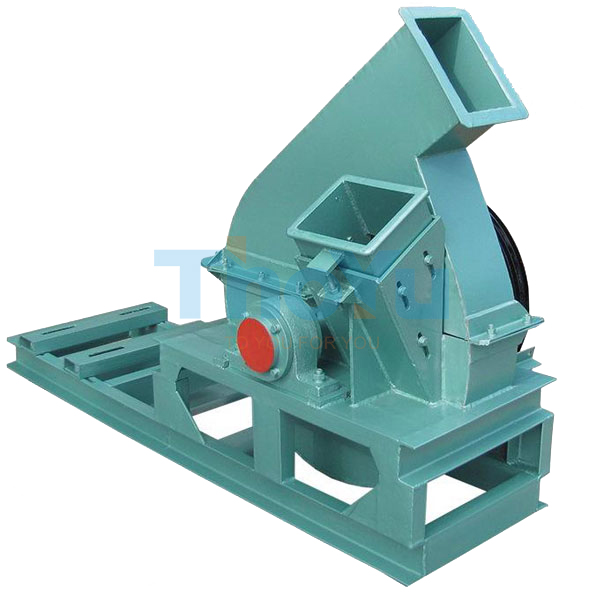
For wood shavings, a controlled hot-air range of 150°C–180°C is commonly used to secure drying speed while keeping process stability. The goal is a predictable moisture trend—not a fluctuating discharge that forces constant operator intervention.
Many wood product plants face a real constraint: the dryer must fit into an existing workshop layout with limited civil works. A compact rotary drum dryer configuration is typically favored because it can reduce project complexity—shorter ducting, fewer structural modifications, and faster commissioning schedules.
A wood products facility producing bedding and biomass feedstock needed stable drying to prevent storage clumping. The incoming moisture varied between 40% and 50% during humid seasons. After adopting a compact rotary drum dryer with direct hot-air contact and better internal lifting, the line consistently reached 8%–10% final moisture with fewer “re-dry” cycles and a noticeable reduction in fuel waste under steady throughput.
The operations team highlighted two practical wins: simpler installation within a tight footprint and less operator adjustment once setpoints were validated.
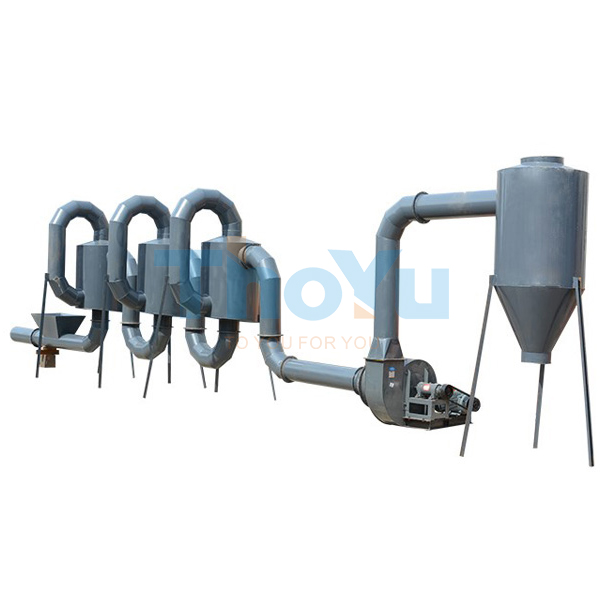
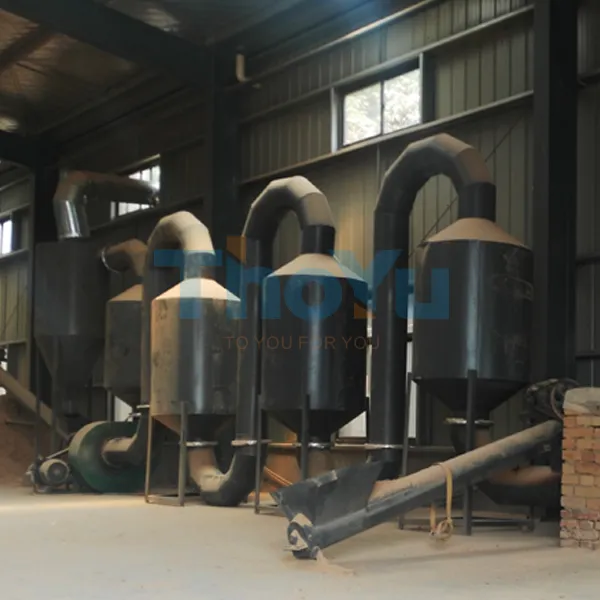
Wood shavings drying inevitably generates airborne particles—especially when the process includes fines. Pairing the dryer with a cyclone dust collector supports both housekeeping and environmental requirements by separating dust from exhaust air through centrifugal force.
For many buyers, this is not an “add-on”—it is part of a practical, production-ready wood shavings drying system that stays consistent shift after shift.
To reduce commissioning surprises, procurement managers and plant engineers typically validate these parameters early:
Explore Zhengzhou Tuoyu’s compact rotary drum dryer for wood shavings—including operating recommendations, typical configurations, and dust collection options designed for industrial wood processing lines.
Get the Compact Rotary Drum Dryer Technical GuideSuggested for: wood processing plants, pellet producers, biomass fuel lines, and equipment integration teams.