

Is your woodworking facility struggling with limited floor space while needing to upgrade your drying capabilities? You're not alone. Many workshop managers face the challenge of optimizing equipment layout without sacrificing production efficiency. In this guide, we'll walk you through the precise steps to install a compact wood chip drum dryer in tight spaces, ensuring you maximize both productivity and space utilization.
Compact wood chip drum dryers represent a significant advancement in drying technology, offering a 40-60% reduction in footprint compared to traditional drying systems. This revolutionary design allows even small to medium-sized workshops (under 500 sq ft production areas) to implement professional drying processes that were once only feasible for large-scale operations.
What makes these dryers particularly valuable is their dual benefit: they not only save precious floor space but also improve energy efficiency by up to 35%. In today's competitive manufacturing environment, where every square foot and every kilowatt matters, this combination delivers a substantial return on investment.
PRO TIP:
When evaluating compact dryers, look for models with integrated material handling systems. These all-in-one solutions can reduce your total required space by an additional 20% compared to systems with separate feeding and discharge components.
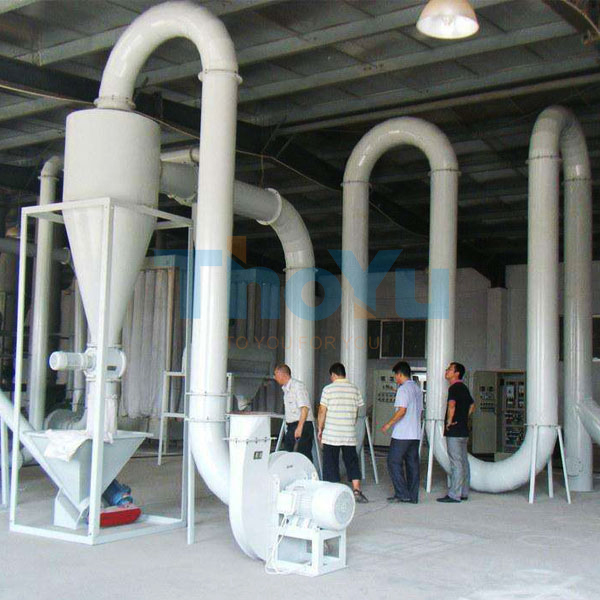
Before diving into installation, it's critical to assess your specific spatial limitations. Typical constraints include:
Each of these factors can significantly impact your installation approach. For instance, a workshop with only 2.8-meter ceilings will require a different model selection than one with 4-meter clearance. Similarly, facilities with limited access may need to consider modular dryers that can be assembled on-site rather than delivered as a single unit.
Accurate measurement is non-negotiable. Compact drum dryers typically range in dimensions, but a standard compact model might measure approximately 4.2m in length, 1.8m in width, and 2.2m in height. However, these figures don't account for necessary clearance zones:
| Requirement | Minimum Clearance | Purpose |
|---|---|---|
| Front/Back Access | 1.2 meters | Material loading/unloading |
| Side Access | 0.8 meters | Maintenance and inspection |
| Top Clearance | 0.6 meters | Ventilation and heat dissipation |
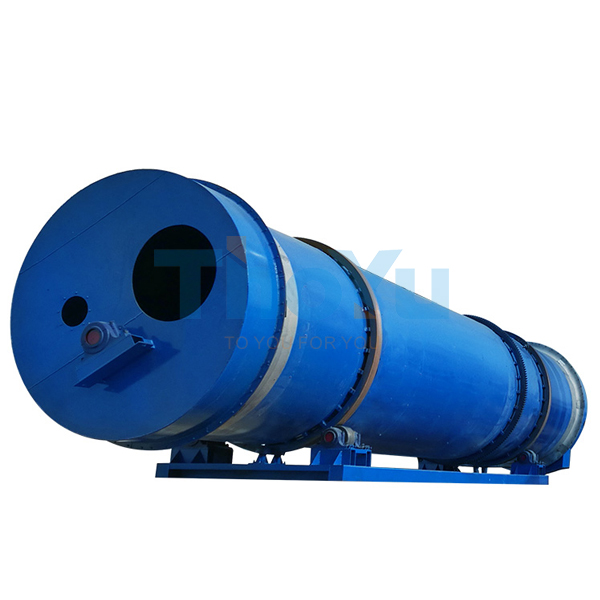
Begin by preparing a level concrete foundation capable of supporting the dryer's weight, typically between 1,800-2,500 kg depending on model size. The foundation should include provisions for drainage to handle condensation and cleaning processes.
For optimal results, the concrete should be at least 150mm thick with steel reinforcement. Allow a minimum of 72 hours for proper curing before equipment placement. This critical step prevents future alignment issues that could affect drying efficiency or cause premature wear.
Using laser alignment tools, position the dryer with millimeter precision according to your pre-planned layout. Even a 1-degree misalignment can lead to uneven wear and reduced drying performance over time.
Pay special attention to the drum's horizontal alignment—most manufacturers recommend a slope of 1-2 degrees from feed to discharge end to facilitate proper material flow without excessive speed.
Anchor the dryer to the foundation using high-tensile bolts (typically M16 or M20 grade 8.8) to prevent movement during operation. Then connect all utility lines:
INSTALLATION WARNING:
Always use certified electricians and gas fitters for utility connections. Improper installation can lead to safety hazards, equipment damage, or voided warranties. Allow a 10% buffer in electrical capacity to accommodate startup surges.
After physical installation, conduct a systematic testing sequence:
Most manufacturers recommend a 48-hour break-in period with gradual load increase before full production use. This allows components to settle and ensures all systems are functioning in harmony.
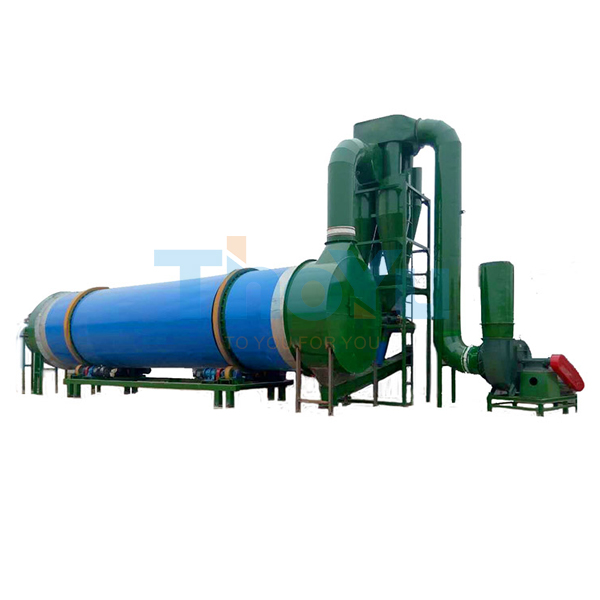
Ideal for workshops with unused corner space, the L-type layout positions the dryer along two adjacent walls, freeing up central floor area. This configuration typically requires a minimum space of 5m x 4m and works well when integrating with existing material handling systems that can be routed along the walls.
One German furniture manufacturer implemented this layout and reported a 27% increase in available working space compared to their previous inline dryer setup, while actually increasing throughput by 15% due to improved material flow.
The U-type layout creates a complete material processing loop, with feeding, drying, and discharge positioned in a semicircular pattern. This setup minimizes material handling distances and is particularly effective for facilities processing multiple wood types or requiring separate infeed and outfeed points.
While requiring slightly more space (approximately 6m x 5m), this configuration can reduce labor costs by up to 30% through optimized workflow, making it a favorite among larger operations with continuous production needs.
For extremely tight spaces, the linear compact layout arranges all components in a straight line with minimal depth requirement (often as little as 2.5m). This configuration sacrifices some workflow efficiency but can fit into spaces as small as 7m x 3m while still delivering production rates of up to 500kg/hour in some models.
A case study from a Canadian cabinet shop demonstrated that by implementing a linear compact dryer layout, they were able to add drying capacity without relocating other equipment, resulting in a 40% reduction in drying time compared to their previous batch drying method.
Every woodworking facility has unique spatial challenges and production requirements. Our team of drying specialists at Tuoyu Electromechanical can create a customized installation plan tailored to your specific workshop dimensions, material types, and production goals.
Get Your Custom Compact Dryer Layout DesignOur expert consultants will analyze your space and provide a detailed 3D layout proposal within 48 hours—no obligation required.
Even experienced facility managers can encounter issues during dryer installation. Based on industry data, approximately 23% of installations require rework within the first year due to avoidable mistakes:
By addressing these potential issues during the planning phase rather than after installation, you can save both time and money while ensuring optimal dryer performance from day one.
Remember that successful installation is about more than just placing a machine in a space—it's about creating a harmonious system that integrates with your existing workflow, maximizes available space, and delivers consistent, energy-efficient drying results. With careful planning and the right equipment selection, even the most space-constrained workshop can implement an effective wood chip drying solution.