In today's competitive manufacturing landscape, wood processing facilities face a common dilemma: increasing production demands while dealing with limited floor space. A typical medium-sized wood workshop loses approximately 25-35% of its potential productivity due to inefficient layout planning, according to industry research by the Wood Machinery Manufacturers Association. When it comes to installing essential equipment like drum dryers, this challenge becomes even more pronounced.
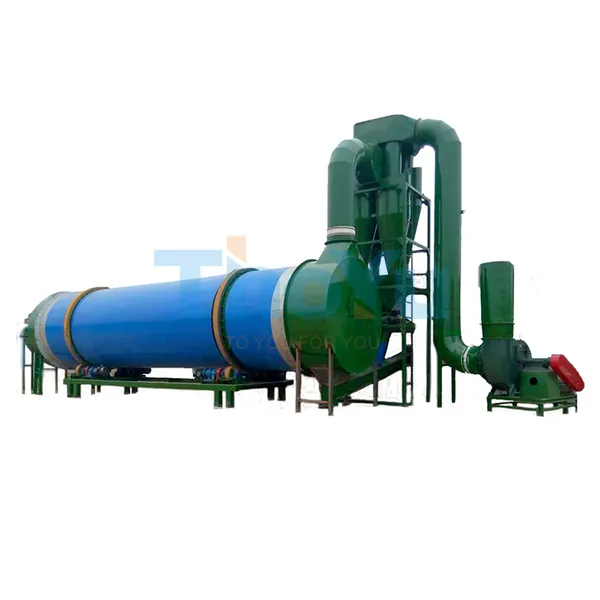
Your compact wood chip drum dryer represents a significant investment in efficiency and product quality. However, improper installation can negate these benefits, leading to bottlenecks, safety hazards, and operational inefficiencies. The key is not just finding space for the equipment, but optimizing the entire workflow around it.
Before attempting any layout planning, you must first understand the specific spatial requirements of your compact drum dryer. While exact dimensions vary by model, most compact units designed for wood chip drying require:
Environmental considerations are equally important. Your dryer requires proper ventilation—typically 2-3 air changes per hour in the installation area—and access to utility connections including power (usually 380V three-phase), water, and possibly compressed air lines.
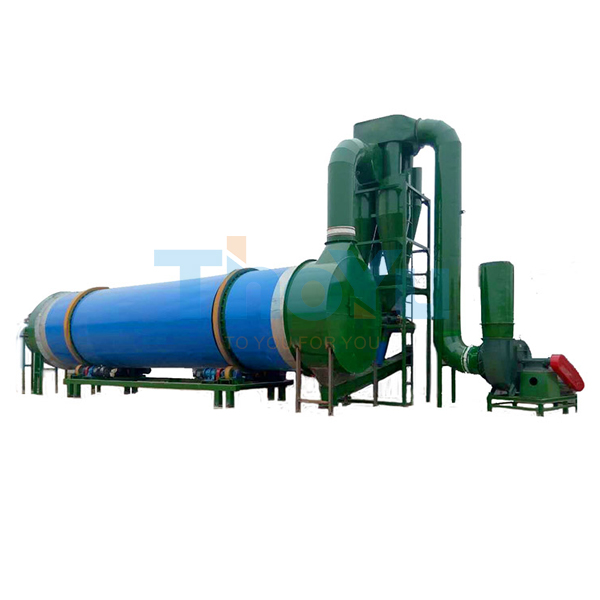
Ideal for narrow workshop spaces, the linear layout positions your drum dryer in sequence with upstream chipping equipment and downstream processing. This configuration minimizes material handling distances by up to 40% compared to random placement. Key considerations include:
This layout works particularly well in facilities with production lines organized in straight runs, typically saving 15-20% of floor space compared to conventional arrangements.
When workshop width is limited but length is available, an L-shaped layout can reduce the dryer's footprint by approximately 25%. By positioning feed and discharge systems at a 90-degree angle, you create natural workflow separation while maintaining operational efficiency. Benefits include:
Layout Advantages:
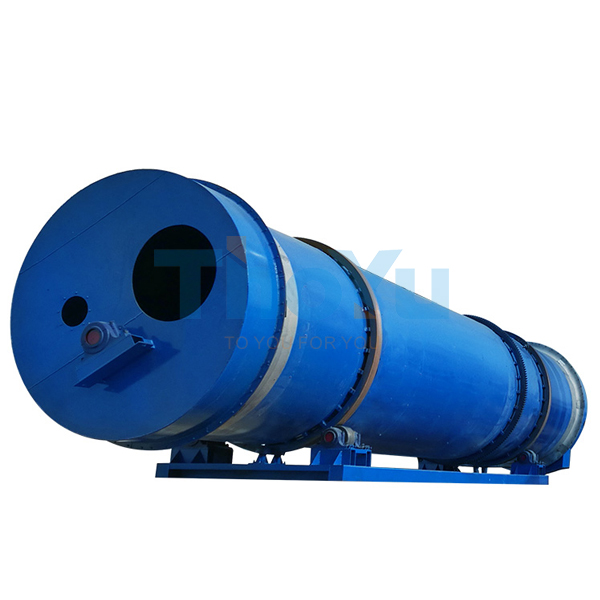
For facilities operating multiple drying units, a parallel configuration with shared auxiliary systems can save up to 30% of the space required for individual installations. This approach is particularly effective when drying different wood species or material types simultaneously.
Key to success with this layout is centralized control and shared dust collection systems. Our clients implementing this configuration typically report a 22% reduction in energy costs due to optimized airflow management between units.
Even the most optimized layout will fail without proper foundation preparation. Your drum dryer requires a stable base capable of supporting both static and dynamic loads—typically 150-200 kg/m² depending on model size.
Concrete foundations should be at least 150mm thick with steel reinforcement for vibration resistance. Consider installing vibration isolation pads if your workshop houses sensitive equipment nearby, as this can reduce noise transmission by up to 40%.
Utility planning is equally critical. Allow 30-40cm of vertical space beneath the dryer for drainage and utility lines, and ensure all electrical connections meet local safety standards. Proper ventilation design can reduce moisture buildup in your workshop by 50%, significantly improving working conditions and product quality.
A medium-sized furniture manufacturer in Oregon recently faced the challenge of installing a compact drum dryer in their 800m² facility while maintaining existing production levels. By implementing our L-shaped layout recommendations, they achieved:
Quantifiable Results:
Their success stemmed from combining strategic equipment placement with workflow reorganization, demonstrating that proper layout planning delivers benefits beyond simple space savings.
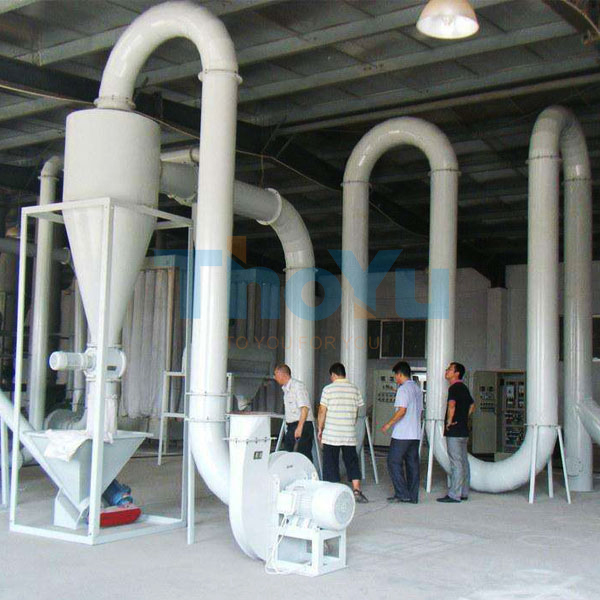
Even experienced facility managers can make critical errors during dryer installation. Based on our analysis of over 120 wood processing facilities, these are the most frequent pitfalls:
Nearly 40% of service issues we encounter stem from inadequate clearance around equipment. Always maintain at least 1.2m of unobstructed space around all service panels and access points.
Inadequate airflow accounts for 28% of drying inefficiencies. Ensure your ventilation system can handle 1.5 times the dryer's rated air volume to account for varying moisture loads.
Leave approximately 20% additional space around your installation to accommodate future upgrades or capacity increases, preventing costly relocations down the line.
Q: How much ceiling height do I really need for installation?
A: While minimum requirements start at 4.5m, we recommend 5m clearance to accommodate overhead material handling and maintenance access.
Q: Can I install the dryer outdoors?
A: Yes, but you'll need weatherproofing and insulation, increasing installation costs by approximately 15-20%.
Q: How long does a typical installation take?
A: For a standard compact unit with proper planning, expect 3-5 days from foundation completion to full operation.
Our team of wood processing specialists can create a customized installation plan tailored to your specific space constraints and production goals.
Get Your Free Layout AssessmentLimited time offer: First 10 consultations receive a complimentary space optimization checklist
Remember that proper installation is about more than just placing equipment—it's about creating a harmonious workflow that maximizes both space utilization and operational efficiency. With careful planning and the right layout strategy, even the most space-constrained workshop can accommodate a high-performance drum drying system that delivers lasting value to your operation.